


Off-Grid Solar System with Battery: Your Complete Guide to Energy Independence
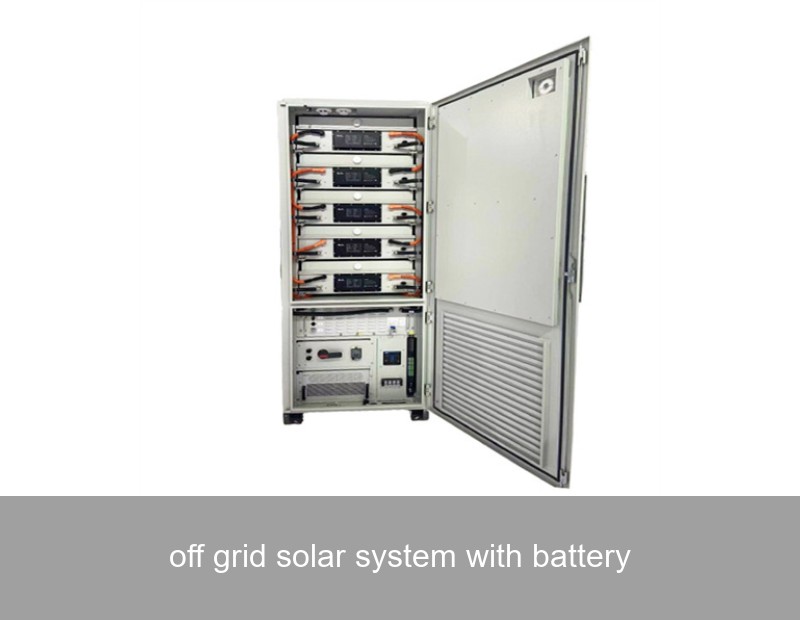
Have you ever imagined a home or business completely powered by the sun, untethered from the utility grid and its fluctuating prices? This is no longer a futuristic dream. An off-grid solar system with battery is making true energy independence a practical reality for thousands across Europe and the United States. As a leading provider in this space, Highjoule has witnessed this transformation firsthand since 2005. This guide will walk you through everything you need to know, from the core technology to real-world success stories.
Table of Contents
- What is an Off-Grid Solar System with Battery?
- Key Components: More Than Just Panels
- Why Choose an Off-Grid System? The Push for Independence
- A Real-World Case Study: Powering a Mountain Retreat
- Highjoule's Role: Intelligent Systems for Real-World Demands
- Key Considerations Before You Go Off-Grid
- The Future of Off-Grid Living
What is an Off-Grid Solar System with Battery?
Simply put, an off-grid solar system with battery is a self-contained power plant. Unlike grid-tied systems that send excess power back to the utility, an off-grid system operates in isolation. It captures solar energy, converts it to usable electricity, and stores any surplus in a battery bank for use when the sun isn't shining—at night or during prolonged cloudy periods. This complete decoupling from public infrastructure offers unparalleled autonomy.

Image Source: Unsplash - A typical off-grid application for remote living.
Key Components: More Than Just Panels
A reliable system is built on four pillars:
- Solar Panels (PV Array): The primary energy harvesters. Efficiency and durability are critical, especially in harsh climates.
- Charge Controller: The guardian of your batteries. It regulates the voltage and current from the panels to prevent overcharging and damage.
- Battery Energy Storage System (BESS): The heart of off-grid power. This is where energy is banked for later use. Modern lithium-ion batteries, like those in Highjoule systems, offer far greater depth of discharge, longevity, and efficiency than older lead-acid types.
- Inverter: The translator. It converts the direct current (DC) electricity stored in the batteries into the alternating current (AC) that powers your home appliances and tools.
A system is only as strong as its weakest link. Integrating high-quality, compatible components is non-negotiable for a trouble-free experience.
Why Choose an Off-Grid System? The Push for Independence
The motivation is shifting from niche necessity to mainstream choice. Let's look at the data and drivers.
The Phenomenon: Grid Concerns and Climate Ambition
In the US, utility electricity prices have risen significantly over the past decade. In Europe, the energy crisis underscored vulnerabilities. Simultaneously, extreme weather events are causing more frequent and longer grid outages.
The Data: A Market in Growth
The off-grid solar market is booming. A report indicated the global market is expected to grow substantially, driven by residential and commercial demand for resilience. People aren't just seeking backup power; they're seeking permanent alternatives.
The Core Reasons to Go Off-Grid:
- Remote Location: The classic use-case where grid connection is physically impossible or prohibitively expensive.
- Ultimate Resilience: Immunity from blackouts, grid instability, and rolling brownouts.
- Energy Cost Certainty: Eliminate monthly utility bills after your system is installed, locking in your "fuel" cost at zero.
- Sustainability: Achieve a 100% renewable, carbon-neutral power footprint for your property.
A Real-World Case Study: Powering a Mountain Retreat
Let's make this concrete. Consider a project Highjoule completed in the Rocky Mountains, USA. A family built a 2,500 sq ft year-round home in a location where grid extension would have cost over $120,000.
The Challenge:
Power a full-electric home with heating, well pump, appliances, and office equipment through harsh winters with shorter days.
The Highjoule Solution:
- Solar Array: 24 kW of high-efficiency panels.
- Storage: A Highjoule H-Joule Cube 30 modular lithium-ion battery system with 40 kWh of usable capacity.
- Intelligence: Highjoule's proprietary energy management system (EMS) to optimize charging cycles and prioritize loads.
The Result:
One year of operation data shows:
| Metric | Performance Data |
|---|---|
| Total Energy Generated | 32,500 kWh |
| Energy Self-Sufficiency | 99.8% (Generator used only 2 days in heavy snow) |
| Estimated Savings vs. Grid Connection | ~$18,000 in avoided line costs + $3,200/year in bills |
This case demonstrates that with proper sizing and intelligent technology, modern off-grid living does not mean compromise.
Highjoule's Role: Intelligent Systems for Real-World Demands
At Highjoule, we understand that an off-grid solar system with battery is a major investment in your independence. Our approach goes beyond hardware. We provide integrated, intelligent solutions.
Our H-Joule Cube series battery systems are engineered for the rigors of off-grid use. With a robust battery management system (BMS) and cycle life exceeding 6,000 cycles, they are built to last decades. More importantly, our EnergyOS platform acts as the brain of the system. It learns your consumption patterns, predicts weather, and manages energy flow to ensure your batteries are optimally charged and your power is always on, even prioritizing critical loads if necessary.
For commercial and microgrid applications, this intelligence is paramount. Highjoule systems can seamlessly integrate with backup generators, allowing them to function only as a last resort, saving fuel and maintenance. Whether it's a remote telecom site, an agricultural operation, or an entire eco-lodge, our focus is on delivering reliable, efficient, and sustainable power without constant supervision.

Image Source: Unsplash - Representative of modern industrial battery storage.
Key Considerations Before You Go Off-Grid
Independence requires planning. Here’s a straightforward checklist:
- Energy Audit: This is step one. You must accurately calculate your daily and seasonal kWh consumption. Oversizing is expensive, undersizing is disastrous.
- Location & Climate: Your solar potential (peak sun hours) and worst-case weather (e.g., "cloudy weeks") dictate the size of your array and battery bank.
- Professional Design & Installation: This is not a DIY project for most. Partner with certified experts, like Highjoule's network of installers, who can model system performance and ensure safe, code-compliant installation.
- Maintenance Mindset: While systems are largely automated, you become your own utility company. Understanding basic system monitoring and planning for long-term component replacement is part of the journey.
The Future of Off-Grid Living
Technology is constantly improving. Battery energy density is rising while costs are falling. Smart home integration allows for even finer control over consumption. The line between off-grid and "grid-assist" is also blurring, with systems designed for future flexibility.
The fundamental question, however, remains personal: What level of energy independence is right for your goals, whether for a remote cabin, a resilient business, or a self-sufficient community? The tools to achieve it are more capable and accessible than ever before.
We invite you to explore what a tailored off-grid solution could look like for you. What's the primary driver for your interest in energy independence—cost, resilience, location, or environmental impact?
 Inquiry
 Online Chat