


Solar System Off the Grid: Your Ultimate Guide to Energy Independence
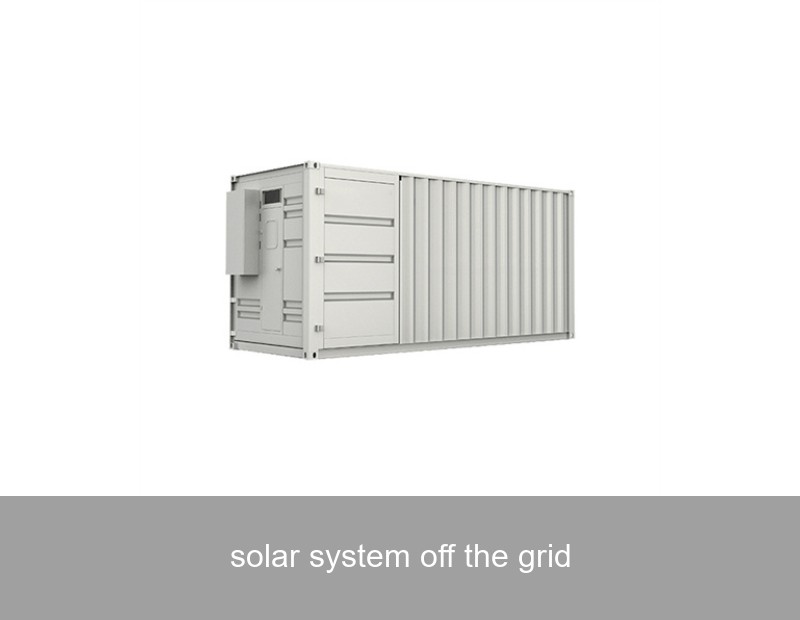
Imagine a life where your power supply is truly your own. No more worrying about rising utility rates, grid outages during a storm, or the carbon footprint of your electricity. This is the promise of a solar system off the grid. For homeowners and businesses across Europe and the US, the dream of energy self-sufficiency is becoming a practical reality, thanks to remarkable advancements in solar panels and, crucially, battery storage technology. But what does it really take to cut the cord successfully? This guide will walk you through the essentials, from core components to real-world performance, helping you understand if an off-grid life is right for you.
Table of Contents
- What is a True Off-Grid Solar System?
- Core Components of a Reliable Off-Grid System
- The Off-Grid Phenomenon: More Than a Rural Solution
- Case Study: Off-Grid Resilience in the Norwegian Fjords
- Highjoule's Role in Modern Off-Grid Solutions
- Key Considerations Before Going Off-Grid
What is a True Off-Grid Solar System?
Unlike grid-tied systems that send excess power back to the utility company, an off-grid solar system operates in complete isolation. It has no physical connection to the public electricity grid. This means everything you need to power your home or business must be generated and stored on-site. It's the ultimate form of energy independence, but it demands careful planning and robust equipment. The system must be sized to handle your energy needs through all seasons, including periods of low sunlight.
Core Components of a Reliable Off-Grid System
Building a resilient off-grid setup is like assembling a puzzle where every piece is critical. Here are the four essential pieces:
- Solar Panels (PV Array): Your primary fuel source. The size of your array determines how much energy you can harvest daily.
- Charge Controller: The intelligent regulator that protects your batteries by managing the voltage and current from the solar panels.
- Battery Energy Storage System (BESS): The beating heart of any off-grid system. This is where your solar energy is stored for use at night or on cloudy days. The capacity and durability of your batteries define your system's reliability.
- Inverter: The translator. It converts the direct current (DC) electricity stored in your batteries into the alternating current (AC) that powers your household appliances.
While all components are important, industry experts agree that the choice of battery storage is the single most decisive factor for long-term satisfaction with an off-grid solar system. A weak battery bank leads to blackouts and premature system failure.

Image Source: Unsplash - A modern, professionally installed off-grid power system.
The Off-Grid Phenomenon: More Than a Rural Solution
The narrative around off-grid living is shifting. While it remains essential for remote cabins and farms, a new driver is emerging: resilience. In the United States, power outages caused by severe weather have increased by approximately 67% since 2000. In Europe, energy security concerns have prompted many to seek self-sufficiency. This isn't just about escaping bills; it's about guaranteeing power for security, business continuity, and peace of mind.
Case Study: Off-Grid Resilience in the Norwegian Fjords
Let's look at a real example. The Hjelle family runs a year-round tourist lodge in a remote Norwegian fjord. Connecting to the grid was cost-prohibitive, and a diesel generator was noisy, polluting, and expensive to maintain. Their goal was 100% renewable, 24/7 power for guest cabins, a sauna, and kitchen facilities.
Their solution was a high-capacity solar system off the grid with a 40 kWh lithium-ion battery bank and a backup biomass generator for the darkest winter weeks. The results after two years are telling:
| Metric | Result |
|---|---|
| Annual Diesel Displacement | ~4,500 liters |
| Estimated CO2 Reduction | 12 tonnes per year |
| System Uptime | 99.7% |
| Guest Satisfaction | Notably higher, citing "silent and clean operation" |
This case highlights that success hinges on right-sizing the system and choosing industrial-grade storage that can handle deep cycling and harsh climates. The family's initial higher investment in quality batteries is paying off through unmatched reliability and near-zero runtime costs.
Highjoule's Role in Modern Off-Grid Solutions
This is where Highjoule's expertise becomes pivotal. Since 2005, we've understood that the core challenge of off-grid isn't just generating power, but storing it intelligently and dispensing it efficiently. Our off-grid solutions are built around our proprietary H-PowerStack battery systems.
What makes the H-PowerStack ideal for a demanding off-grid solar system?
- Deep-Cycle Durability: Engineered for daily deep discharge and recharge cycles, far exceeding the capabilities of standard automotive or generic lithium batteries. Integrated Energy Management System (iEMS): This is the brain of the operation. Our iEMS doesn't just monitor charge; it learns your consumption patterns, predicts weather-based solar yield, and autonomously manages energy flow between solar, storage, and backup sources to maximize efficiency and battery life.
- Scalable Design: Start with a base configuration and seamlessly add more battery modules as your energy needs grow, protecting your initial investment.
- Global Support: With a network of certified installers across Europe and North America, Highjoule ensures your off-grid system is professionally designed, installed, and supported for the long haul.
For complex projects like microgrids for small communities or industrial sites, Highjoule provides full turnkey solutions—from initial feasibility studies and system design to commissioning and remote monitoring.

Image Source: Unsplash - A modular battery energy storage system similar to Highjoule's scalable design.
Key Considerations Before Going Off-Grid
Embracing an off-grid lifestyle is a major decision. Here are key questions to ponder:
1. Energy Audit is Non-Negotiable
You must meticulously calculate your daily and seasonal energy consumption. Underestimating leads to power shortages; overestimating leads to unnecessary cost. Tools like the U.S. Department of Energy's appliance energy calculator can be a great starting point.
2. The Criticality of a Backup Source
Even the best solar system can face a string of cloudy days. A backup source—like a compact generator or a wind turbine—is a standard part of a robust off-grid design, acting as a "plan B" for your battery bank.
3. Long-Term Maintenance Mindset
You become your own utility company. This means proactive maintenance: panel cleaning, system health checks, and understanding your equipment's lifecycle. Partnering with a provider like Highjoule that offers remote monitoring can drastically simplify this.
The Future is Intelligent and Self-Sufficient
The technology for reliable, off-grid power is here and proven. It's no longer a rustic compromise but a sophisticated, clean, and empowering choice. The convergence of high-efficiency solar, smart lithium batteries, and AI-driven energy management—exactly what companies like Highjoule specialize in—has transformed solar system off the grid from a niche concept into a viable mainstream energy solution for those who value independence and resilience.
So, what does your ideal energy-independent future look like? Is it a quiet home that remains lit during a blackout, a remote business unburdened by fuel costs, or simply the satisfaction of generating your own clean power? The first step to answering that is understanding the technology that can make it happen.
 Inquiry
 Online Chat