


On-Grid Inverter with Battery Backup: Your Guide to Uninterrupted Clean Power
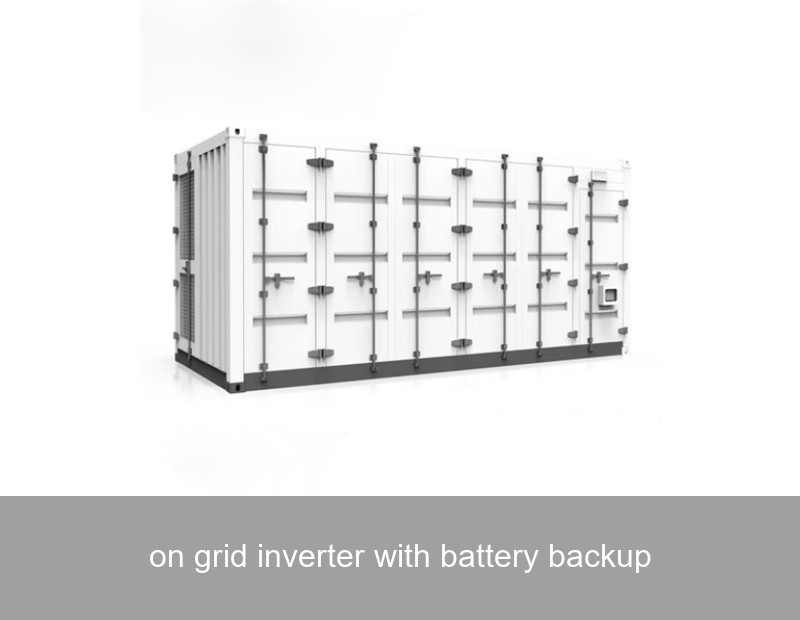
Imagine this: a storm knocks out the grid in your neighborhood. Lights flicker and die, your Wi-Fi drops, and the food in your fridge starts its countdown. Now, reimagine that scene: your lights stay on, your internet hums, and your life continues, powered silently from your own home. This isn't magic; it's the intelligent synergy of an on-grid inverter with battery backup. This system is rapidly transforming how homes and businesses interact with the grid, offering resilience, savings, and a stronger commitment to renewable energy. Let's explore how this technology works and why it's becoming a cornerstone of modern energy management.
What is an On-Grid Inverter with Battery Backup?
Often called a hybrid inverter or a battery-ready grid-tie inverter, an on-grid inverter with battery backup is the brain of a sophisticated energy system. It combines the functions of a traditional solar inverter (which converts solar panel DC power into usable AC power for your home) with a battery inverter/charger. Unlike a simple grid-tie system that shuts down during a blackout, this hybrid system seamlessly integrates solar panels, battery storage, and the utility grid. Its primary superpower? Providing continuous power during grid outages by intelligently isolating your home from the grid (forming a "microgrid") and drawing electricity from your solar panels and batteries.
How Does This Hybrid System Work? A Step-by-Step Look
The genius of this system lies in its dynamic decision-making. Here’s a typical flow of energy:
- Normal Grid Conditions (Sunny Day): Your solar panels power your home first. Any excess energy is used to charge your battery. Once the battery is full, surplus solar is exported to the grid, often earning you credits.
- Normal Grid Conditions (Night): Your home draws power from the grid or, more strategically, from your stored battery energy to avoid high nighttime electricity rates.
- Grid Outage (Blackout): This is the critical moment. The inverter instantly disconnects from the grid for safety. It then uses solar and battery power to supply your essential loads, keeping you powered for hours or even days. Unlike older systems, modern hybrids like those from Highjoule allow solar to continue charging the battery even during an outage, maximizing your independence.

Image Source: Unsplash (Representative diagram of a hybrid solar-battery system)
Key Benefits: Beyond Just Backup Power
While blackout protection is the most dramatic benefit, the advantages run much deeper:
| Benefit | Explanation | Impact |
|---|---|---|
| Energy Resilience | Protection from increasing grid instability, storms, and planned outages. | Peace of mind and business continuity. |
| Maximized Self-Consumption | Store cheap solar energy for use in the evening, reducing grid reliance. | Lower electricity bills, sometimes by 70% or more. |
| Intelligent Energy Management | Software can optimize when to charge/discharge based on time-of-use rates. | Further cost savings and support for grid balancing. |
| Future-Proofing | Ready for electric vehicle charging and evolving utility programs. | Long-term investment protection. |
A Real-World Case Study: Resilience in California
Let's look at data from a region familiar with grid challenges: California. Following the Public Safety Power Shutoffs (PSPS) and wildfires, adoption of solar-plus-battery systems skyrocketed. According to the California Distributed Generation Statistics, over 150,000 battery storage systems were installed in the state by the end of 2023, the vast majority paired with solar.
Specific Example: A medium-sized winery in Napa Valley installed a 100 kW solar array with a 120 kWh battery backup system using a commercial-grade on-grid inverter with battery backup. During a 36-hour PSPS event:
- Critical Loads Maintained: Refrigeration units, security systems, and essential lighting remained fully operational.
- Financial Impact Avoided: Prevented an estimated $15,000 in lost inventory (wine spoilage) and business disruption.
- Energy Savings: On normal days, the system reduces their grid energy consumption by over 80%.
This tangible case shows the technology is not just a luxury but a critical business resilience tool.
Choosing the Right System: Key Considerations
Not all hybrid systems are created equal. Here’s what to evaluate:
- Backup Power Goals: What do you want to power during an outage (essential loads vs. whole home)? This determines battery capacity.
- Inverter Capabilities: Look for features like high efficiency, the ability to start heavy loads, and seamless mode switching.
- Battery Chemistry & Lifespan: Lithium Iron Phosphate (LFP) is now the industry standard for safety and long cycle life.
- Software & Monitoring: Intelligent energy management software is what transforms hardware into a smart, money-saving asset.
- Scalability: Can you easily add more batteries or solar panels in the future?
How Highjoule Delivers Intelligent Energy Independence
This is where Highjoule's nearly two decades of expertise comes into play. We don't just sell components; we engineer integrated solutions. Our HPS Series Hybrid Power System is designed specifically as a high-performance on-grid inverter with battery backup for residential and commercial applications.
What sets the Highjoule HPS apart?
- All-in-One Intelligence: It combines a high-efficiency solar inverter, a grid-tie interface, and a sophisticated battery charger in one compact unit, simplifying installation and improving reliability.
- Uninterrupted Power Supply (UPS) Transition: Our system switches to backup power in less than 20 milliseconds—so fast that even sensitive electronics like computers won't notice a blip.
- Advanced Energy Arbitrage: Our EnergyOS software platform allows users to customize their system's behavior. Set it to maximize self-consumption, participate in potential grid services, or prioritize backup reserve based on weather forecasts.
- Modular & Future-Proof: Start with what you need today. The HPS system allows for easy expansion of battery storage capacity as your needs evolve.

Image Source: Unsplash (Modern energy-independent home with solar and EV)
For larger commercial or microgrid applications, Highjoule's engineering team designs custom solutions that can integrate multiple power sources, ensuring critical operations never miss a beat. Our systems are built to the highest safety standards, recognized across both European and North American markets.
As the International Energy Agency (IEA) highlights, the growth of variable renewables makes storage and smart management essential for grid stability. By choosing a system like ours, you're not just buying backup power; you're investing in a smarter, more sustainable energy ecosystem for your property.
Ready to Take Control of Your Energy?
The journey to energy resilience and independence starts with a clear understanding of your needs. What would a single day without power cost you—in convenience, security, or dollars? How much of your current electricity bill could you realistically aim to offset with smart solar storage? We invite you to explore these questions and contact Highjoule's energy consultants for a personalized assessment. What's the first load you would want to secure if the grid went down tonight?
 Inquiry
 Online Chat