


Understanding the Solar PV Grid Connected System: Powering a Sustainable Future
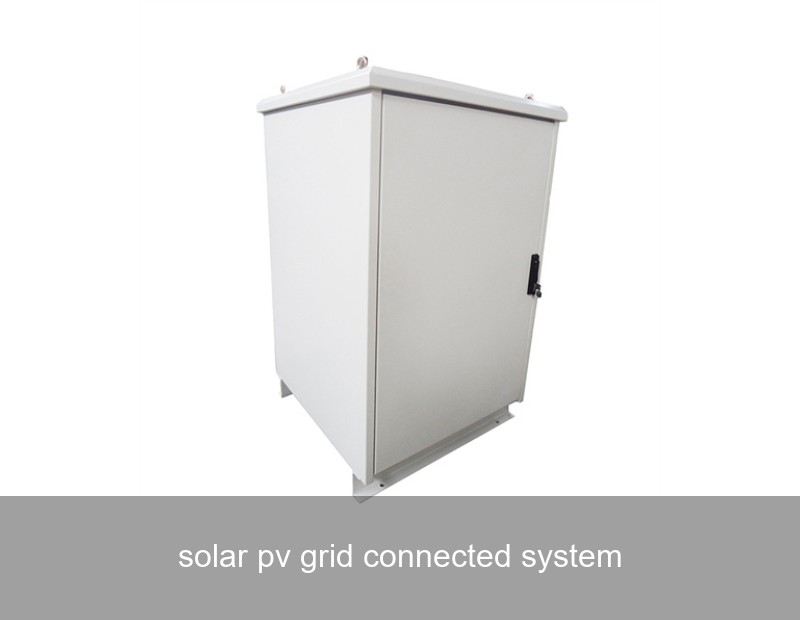
Have you ever wondered how homes and businesses with solar panels manage to use the grid and their own clean power so seamlessly? The magic lies in the solar PV grid connected system. Unlike off-grid setups, these systems are the workhorses of the renewable energy transition, intelligently integrating solar generation with the existing utility network. For homeowners and businesses across Europe and the US, this technology is the key to reducing energy bills, increasing energy independence, and contributing to a cleaner grid. But how does it all work, and what does it take to ensure it's efficient, safe, and reliable for the long term? Let's explore the intricacies of grid-tied solar and the advanced solutions that make it a cornerstone of modern energy strategy.
Table of Contents
- What is a Solar PV Grid Connected System?
- Key Components and How They Work Together
- The Dual Reality: Benefits and Grid Challenges
- Real-World Impact: A Case Study from Germany
- The Future is Smart and Integrated
- Making the Right Choice for Your Grid-Tied System
What is a Solar PV Grid Connected System?
In simple terms, a solar PV grid connected system is an electricity-generating setup where solar panels are installed on a property and directly linked to the public utility grid. Think of it as a two-way street. During sunny days, your solar array often produces more power than your home or business consumes. This excess electricity flows back into the grid. At night or during cloudy periods, you draw power from the grid as usual. This symbiotic relationship eliminates the need for large, expensive battery banks (though they can be added for backup) and allows for net metering, where you often receive credits for the power you export.
Image Source: Unsplash - Representative image of a grid-connected residential solar installation.
Key Components and How They Work Together
A reliable grid-tied system is more than just panels on a roof. It's a carefully engineered ecosystem of components:
- Solar Photovoltaic (PV) Panels: Convert sunlight into direct current (DC) electricity.
- Grid-Tie Inverter(s): The brain of the operation. This critical device converts the DC electricity from the panels into alternating current (AC) that matches the grid's voltage and frequency. It also includes vital safety features to disconnect from the grid during a power outage (anti-islanding).
- Mounting System & Wiring: The physical infrastructure that secures the panels and safely transports electricity.
- Bi-Directional Meter: Installed by your utility company, this meter tracks both the energy you consume from the grid and the surplus energy you feed into it.
- Optional: Energy Storage System (ESS): While not mandatory for a basic grid-tie system, adding a battery like those from Highjoule's H-Store series transforms the setup. It stores excess solar energy for use when the sun isn't shining, provides backup power during outages, and allows for greater self-consumption, maximizing your investment.
This is where expertise matters. Companies like Highjoule don't just provide components; they deliver integrated, intelligent systems. Highjoule's GridSync Inverter Series, for example, is engineered for superior grid compliance and high conversion efficiency, ensuring every possible watt of solar energy is utilized effectively and fed into the grid in a stable, grid-supportive manner.
The Dual Reality: Benefits and Grid Challenges
The benefits of grid-connected solar are compelling. For the end-user, it means significant reductions in electricity bills and a lower carbon footprint. For the grid, distributed solar generation can reduce strain during peak demand periods, especially in hot summer months.
However, the rapid growth of solar PV introduces technical challenges for grid operators. The phenomenon known as the "duck curve"—a steep drop in net grid demand during sunny afternoons followed by a rapid evening ramp-up—illustrates the issue of intermittency. This can lead to grid instability, voltage fluctuations, and curtailment of solar energy.
| Challenge | Impact | Modern Solution |
|---|---|---|
| Intermittent Generation | Grid instability, frequency control issues | Hybrid systems with storage, advanced grid-feeding inverters |
| Reverse Power Flow | Voltage rise on local distribution lines | Smart inverters with voltage regulation functions |
| Lack of Inertia | Reduced grid resilience to faults | Inverters with grid-forming capabilities |
Addressing these challenges requires smarter technology. This is the core of Highjoule's mission. Our Intelligent Energy Management System (I-EMS) platform doesn't just monitor production; it optimizes the flow of energy between solar arrays, battery storage, and the grid in real-time. For commercial and industrial clients, this can mean participating in demand response programs or providing grid services, turning a solar investment into an active grid asset and a new revenue stream.
Real-World Impact: A Case Study from Germany
Let's look at a concrete example. A mid-sized dairy processing plant in Bavaria, Germany, faced high and volatile energy costs, with critical refrigeration processes requiring constant power. Their goal was to achieve 70% self-sufficiency and stabilize operational costs.
The Solution: A turnkey solar PV grid connected system integrated with a large-scale battery, designed and deployed by Highjoule. The system included:
- A 850 kWp rooftop and carport solar array.
- Highjoule's GridSync Pro 3-phase commercial inverters.
- A 500 kWh H-Store C&I battery storage system.
- The I-EMS for predictive energy scheduling based on production forecasts and energy price signals.
The Data-Driven Outcome: Within the first year of operation:
- Self-consumption rate: Increased from 35% (solar only) to over 85% (solar + storage).
- Energy cost reduction: 68% decrease in grid electricity purchases during peak price hours.
- Grid support: The system automatically reduces grid draw during periods of regional peak demand, earning the plant capacity payments.
- ROI: Projected payback period reduced to under 7 years, factoring in energy savings and ancillary service revenues.
This case demonstrates that a modern grid-connected system is not a passive generator. It's an intelligent, revenue-generating asset that supports both the owner's finances and the grid's stability. For more on grid integration challenges and solutions, see this report by the International Energy Agency (IEA).
The Future is Smart and Integrated
The evolution of the solar PV grid connected system points towards the smart grid and virtual power plants (VPPs). In this future, thousands of individual solar-plus-storage systems, like those powered by Highjoule technology, can be aggregated to act as a single, dispatchable power plant. They can provide peak power, frequency regulation, and black-start capabilities, fundamentally transforming our energy infrastructure from a centralized model to a decentralized, resilient network.
Image Source: Unsplash - Concept image of a smart grid control center.
This transition relies on advanced communication protocols and cybersecurity, areas where system providers must lead. Highjoule emboys these principles, designing systems that are not only efficient but also secure and ready for grid-service participation. The National Renewable Energy Laboratory (NREL) provides extensive research on the pathways to a modern, renewable-based grid.
Making the Right Choice for Your Grid-Tied System
So, you're considering a solar installation. Beyond just comparing panel wattage and price per watt, ask these deeper questions:
- Is the inverter technology advanced enough to meet current and future grid requirements (like voltage/frequency ride-through)?
- Does the system design allow for seamless addition of storage later without major re-engineering?
- Can the system provide backup power during an outage (if that's a priority), and how is that achieved?
- What intelligence does the monitoring platform offer? Can it provide actionable insights or automated control to maximize savings?
Choosing a provider like Highjoule means selecting a partner with nearly two decades of experience in advanced system integration. From initial consultation and custom design using industry-leading modeling tools to professional installation, grid compliance certification, and ongoing performance optimization via our I-EMS platform, we ensure your solar PV grid connected system is a robust, future-proof investment. Explore the technical specifications of our U.S. Department of Energy's solar guide for foundational knowledge.
As you envision your property contributing clean electrons to the community grid, what role do you see your energy system playing in the next five years—a simple cost-saver, or an active participant in building a more resilient and sustainable energy network for everyone?
 Inquiry
 Online Chat