


Unlocking Energy Independence: The Complete Guide to a Solar Power System with Batteries
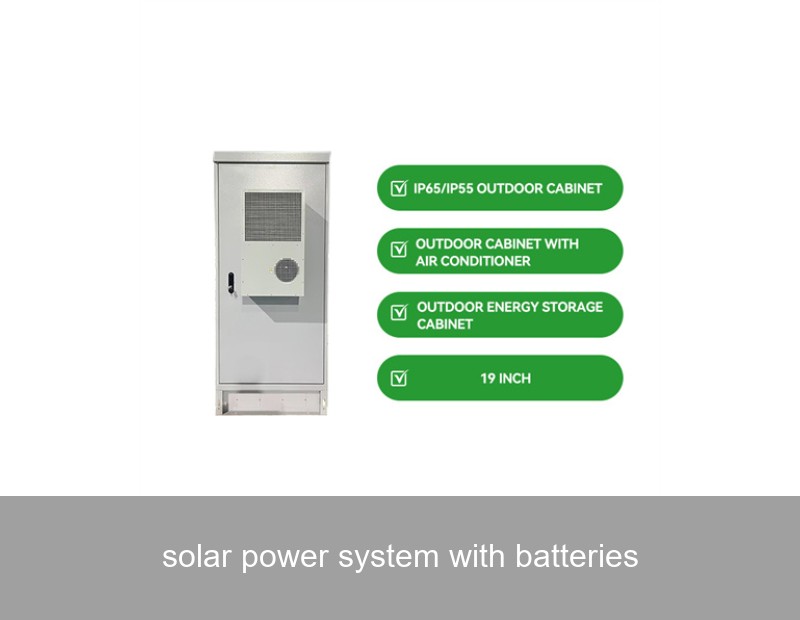
Imagine this: the sun is shining, your solar panels are humming, and your home is running smoothly. Then, clouds roll in, or evening arrives. Suddenly, you're drawing power from the grid again, subject to its prices and vulnerabilities. This common scenario is why a solar power system with batteries is no longer a luxury but a strategic upgrade for energy resilience. It's the key to transforming sunlight into a truly reliable, 24/7 power source. For nearly two decades, Highjoule has been at the forefront of this revolution, engineering advanced battery energy storage systems (BESS) that make seamless, sustainable energy a reality for homes and businesses across the globe.
Table of Contents
- The Sun-Powered Gap: Why Solar Alone Isn't Enough
- How a Solar Power System with Batteries Works: Your Personal Microgrid
- Beyond Backup: Key Benefits of Adding Battery Storage
- A Real-World Case Study: The German Bakery Embracing 24/7 Solar
- Choosing the Right System: Technology and Scale Matter
- Highjoule's Role: Intelligent Storage for a Smarter Energy Future
The Sun-Powered Gap: Why Solar Alone Isn't Enough
Traditional solar panel systems have a fundamental timing issue. They generate the most electricity in the middle of the day, which often doesn't align with peak energy consumption in homes (mornings and evenings) or in commercial operations. This mismatch creates two problems: you export surplus energy to the grid at low rates and import expensive power when the sun isn't shining. In regions like Europe and the U.S., where net metering policies are evolving, the financial payback for solar-only systems is changing. The solution? Capturing that midday surplus for your own use later.

Image Source: Unsplash - A typical solar-powered home. Adding batteries ensures this power is available day and night.
How a Solar Power System with Batteries Works: Your Personal Microgrid
Think of a battery as the heart of your new energy ecosystem. Here’s a simple breakdown of the flow:
- Generation: Solar panels convert sunlight into direct current (DC) electricity.
- Conversion: An inverter changes the DC electricity into alternating current (AC) for your home's appliances.
- Storage & Management: The critical addition is a battery system and an energy management system (EMS). Surplus power not used immediately charges the batteries.
- Discharge: When solar production drops, the EMS seamlessly draws power from the batteries instead of the grid.
This creates a self-consumption loop, maximizing the value of every kilowatt-hour (kWh) your panels produce.
Beyond Backup: Key Benefits of Adding Battery Storage
The advantages extend far beyond just keeping the lights on during an outage.
- Energy Bill Savings: Dramatically reduce reliance on grid power, especially during expensive peak-rate periods (4-9 pm in many U.S. states).
- Enhanced Resilience: Maintain power during grid outages, a concern growing in frequency due to extreme weather events. This is crucial for home offices, medical equipment, and businesses.
- Energy Independence: Gain control over your energy costs and source, insulating yourself from volatile utility prices.
- Support for the Grid: Advanced systems can participate in grid services, providing stability and potentially generating revenue for the owner—a concept gaining traction in both the UK and U.S. markets.
A Real-World Case Study: The German Bakery Embracing 24/7 Solar
Let's look at a concrete example. Bäckerei Schmidt (name changed for privacy), a medium-sized artisan bakery in Bavaria, Germany, faced high energy costs. Their ovens, refrigeration, and lighting operated from pre-dawn to evening, but their rooftop solar system only covered about 40% of their needs due to timing mismatches.
In 2022, they installed a solar power system with batteries, integrating a Highjoule HES-50 Commercial Stack. This modular battery system was scaled to their specific load profile. The results after one year were compelling:
| Metric | Before Installation | After Installation |
|---|---|---|
| Grid Electricity Consumption | 85,000 kWh/year | 32,000 kWh/year |
| Solar Self-Consumption Rate | 40% | 92% |
| Annual Energy Cost Savings | — | €11,500+ |
| CO2 Emissions Reduction | — | ~28 tonnes/year |
The bakery now runs its critical cooling and pre-dawn dough preparation almost entirely on stored solar energy, ensuring business continuity and locking in long-term energy costs. This case exemplifies the tangible industrial and commercial application of integrated solar and storage.
Choosing the Right System: Technology and Scale Matter
Not all battery systems are created equal. Key considerations include:
- Battery Chemistry: Lithium Iron Phosphate (LFP) is now the dominant choice for residential and commercial storage due to its long life, safety, and stability, perfectly aligning with Highjoule's core technology focus.
- Capacity & Power: Capacity (kWh) is your "energy tank," while power (kW) is how much energy you can use at once. Sizing requires analyzing your consumption patterns.
- System Intelligence: The brain of the operation is the software. Can it learn your habits, respond to time-of-use rates, and manage energy flow optimally?

Image Source: Unsplash - Advanced battery storage systems require robust and safe technology, like LFP chemistry.
Highjoule's Role: Intelligent Storage for a Smarter Energy Future
This is where Highjoule's expertise, honed since 2005, becomes critical. We don't just supply batteries; we provide intelligent, integrated storage solutions. Our product lines, like the HES-Series for residential and the scalable HES-Stack for commercial/industrial applications, are built with LFP chemistry and feature our proprietary Adaptive Energy Operating System (AEOS).
AEOS is the differentiator. It doesn't just react; it predicts. By integrating weather forecasts, utility rate schedules, and your historical usage, it makes intelligent decisions to charge, discharge, or hold energy, maximizing your economic return and system longevity. For microgrid applications, this intelligence is paramount for balancing multiple generation sources and loads. Whether it's a family home in California seeking resilience against Public Safety Power Shutoffs (PSPS) or a manufacturing facility in Italy aiming for carbon neutrality, Highjoule's systems are designed to meet the challenge with safety, efficiency, and smart software at the core.
Is Your Current Solar System Only Half the Solution?
If you're already generating solar power, you've taken a fantastic first step. But ask yourself: are you truly maximizing your investment and achieving the energy security you desire? The journey to full energy independence starts with asking the right questions about your consumption, your goals, and the technology that can bridge the gap between sunlight and reliable power. What would 24/7 clean power do for your home budget or your business's operational resilience?
 Inquiry
 Online Chat