


Understanding the Prices of Energy Storage Cabinets: A Smart Investment Guide
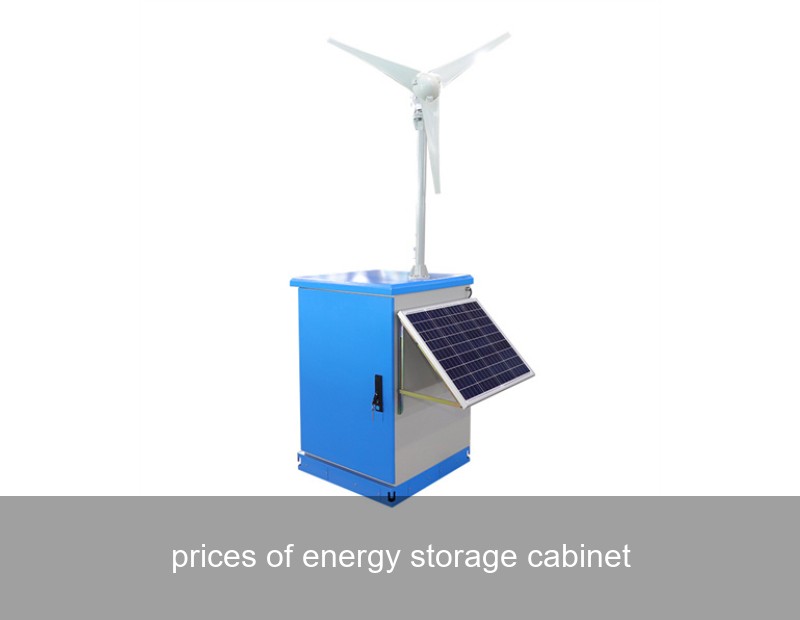
If you're exploring the world of solar power or grid independence, you've likely encountered the term "energy storage cabinet." And your next question is almost certainly: what drives the prices of energy storage cabinets? It's not just a box with batteries; it's a sophisticated piece of technology that is key to unlocking true energy resilience and savings. The initial price tag can vary widely, and understanding the components behind it is crucial for making an informed decision. As a global leader founded in 2005, Highjoule is dedicated to demystifying this technology, providing intelligent and sustainable power solutions for commercial, industrial, residential, and microgrid applications. This guide will break down the cost factors, showcase real value, and highlight how smart technology like ours maximizes your return on investment.
Table of Contents
- The Real Price Breakdown: More Than Just Batteries
- Key Factors Influencing Energy Storage Cabinet Prices
- The Pivotal Role of the Battery Energy Storage System (BESS)
- Case Study: Commercial Savings in Southern Europe
- Highjoule's Approach: Delivering Value Beyond the Price Tag
- Future Trends: Where Are Prices Heading?
The Real Price Breakdown: More Than Just Batteries
When you see a figure for an energy storage cabinet, you're looking at the culmination of several high-tech subsystems. Think of it not as a commodity, but as a complete, integrated power solution. The core components include:
- Battery Cells & Modules: The chemical heart, typically lithium-ion (like LFP - Lithium Iron Phosphate), which constitutes a significant portion of the cost.
- Power Conversion System (PCS): The brain and muscle. This bidirectional inverter converts DC battery power to AC for your home/business and vice versa for charging.
- Battery Management System (BMS): The guardian. This critical software and hardware suite ensures safety, monitors cell health, and optimizes performance and lifespan.
- Thermal Management System: The climate control. Proper cooling/heating is essential for safety, efficiency, and long battery life.
- Enclosure & Safety Hardware: The robust physical shell, designed to protect against environmental factors and include critical safety disconnects.
- Energy Management Software (EMS): The strategist. This intelligent software platform, often cloud-connected, decides when to charge, discharge, or hold energy based on tariffs, weather, and usage patterns.
A cheaper cabinet might cut corners on the BMS or use passive cooling, while a premium system like those from Highjoule invests heavily in advanced, integrated software and robust safety systems that pay off in the long run.

Credit: Unsplash / ThisisEngineering. Modern energy storage systems are engineered for seamless integration and safety.
Key Factors Influencing Energy Storage Cabinet Prices
So, why can one cabinet cost \$5,000 and another over \$50,000? Let's climb the logic ladder from basic phenomenon to deeper insight.
Phenomenon: A wide range of prices exists in the market, causing confusion for buyers.
Data & Analysis: The price is primarily a function of capacity (kWh), power (kW), technology, and integration. According to market analyses, the average price for a complete installed lithium-ion BESS for commercial use can range from \$800 to \$1,500 per kWh, depending on scale and complexity. For residential systems, the all-in cost often falls between \$1,200 and \$2,000 per kWh. These figures encompass hardware, software, and installation.
| Factor | Impact on Price | Why It Matters |
|---|---|---|
| Capacity (kWh) | High Direct Impact | More kWh = more battery cells = higher material cost. It's your "energy tank" size. |
| Power Rating (kW) | High Impact | A higher kW rating requires a more powerful (and costly) inverter to handle larger loads simultaneously. |
| Battery Chemistry (LFP vs. NMC) | Moderate Impact | LFP (LiFePO4) batteries, known for longer lifespan and superior safety, may have a different cost structure than NMC. |
| System Intelligence & Software | Significant Impact | Advanced, AI-driven EMS for predictive optimization adds value and cost but maximizes ROI. |
| Scalability & Modularity | Moderate Impact | Systems designed for easy future expansion may have a higher upfront cost but offer long-term savings. |
Insight: The cheapest upfront cost often leads to a higher total cost of ownership. Investing in a quality system with advanced software and safety features reduces degradation, improves efficiency, and can generate significantly more savings over its 15+ year lifespan.
The Pivotal Role of the Battery Energy Storage System (BESS)
At the core of the cabinet is the BESS. It's essential to understand that not all batteries are created equal. The industry's shift towards Lithium Iron Phosphate (LFP) chemistry is a prime example of a value-driven trend. While sometimes comparable in upfront prices of energy storage cabinets, LFP batteries offer a much longer cycle life and enhanced thermal stability compared to older chemistries. This translates to more cycles over the system's life, effectively lowering the "cost per cycle" – a far more important metric than just upfront price.
Furthermore, the true genius of a modern BESS lies in its software. A high-quality cabinet is an active financial tool. For instance, Highjoule's AdaptiveGrid™ AI software doesn't just store energy; it learns your consumption patterns, forecasts solar production, and integrates with real-time electricity market data (where available) to autonomously dispatch energy when it's most valuable—either by avoiding high tariff imports or by providing grid services.
Case Study: Commercial Savings in Southern Europe
Let's move from theory to tangible results. Consider a mid-sized dairy processing plant in Spain, facing high afternoon energy tariffs and intermittent grid reliability.
Challenge: Reduce peak demand charges, ensure production continuity during short grid outages, and maximize consumption of their existing rooftop solar PV.
Solution: In 2023, the facility installed a 250 kWh / 150 kW Highjoule IntelliCabinet™ Commercial system. This modular cabinet was integrated with their solar array and main distribution panel.
Implementation & Data: The system was configured for peak shaving and backup power for critical cooling lines. Using time-of-use tariff data, the Highjoule EMS was programmed to discharge the battery during the expensive 2 PM - 10 PM window. In its first year of operation:
- Demand Charge Reduction: Peak grid draw was reduced by an average of 40%, saving over €18,000 annually on this cost component alone.
- Self-Consumption Boost: Solar self-consumption increased from 35% to over 70%, slashing an additional €6,000 from their energy bill.
- ROI Timeline: The project achieved a simple payback period of just under 5 years, factoring in available local incentives. The system has a projected lifespan of over 15 years.
Insight: This case demonstrates that the prices of energy storage cabinets must be evaluated against the financial and operational benefits they generate. The Highjoule system transformed a capital expense into a strategic asset with a clear and compelling financial return.

Credit: Unsplash / @alexander_isreb. Real-time monitoring and control are key to unlocking storage value.
Highjoule's Approach: Delivering Value Beyond the Price Tag
At Highjoule, we engineer our storage solutions with Total Cost of Ownership (TCO) as the guiding principle. Our IntelliCabinet™ series for commercial and industrial applications and our HomePower+ series for residential users are built on three pillars that justify their investment:
- Unmatched Intelligence: Our proprietary EMS uses predictive algorithms to optimize every kWh. It's not just storage; it's an automated energy trader for your site.
- Built-to-Last Engineering: We use premium LFP battery cells, industrial-grade inverters, and active liquid cooling in our larger systems to ensure decade-plus performance with minimal degradation.
- Seamless Integration: We design our cabinets to be grid- and generator-friendly, offering plug-and-play compatibility with major solar inverter brands and easy integration into microgrids.
When you evaluate the prices of energy storage cabinets, comparing Highjoule means looking at the guaranteed performance, the intelligence of the platform, and the peace of mind that comes with a system backed by nearly two decades of global expertise.
Future Trends: Where Are Prices Heading?
Looking ahead, industry reports from authorities like the International Energy Agency (IEA) suggest that while battery cell costs may continue a gradual decline, the focus of innovation is shifting towards system integration, software intelligence, and circular economy (recycling). This means the hardware portion of the prices of energy storage cabinets may stabilize, while the value added by software—like virtual power plant (VPP) participation and advanced grid services—will increase dramatically. Investing in a smart, connected system today positions you to capitalize on these future revenue streams.
So, as you ponder your next step towards energy independence, we leave you with this question: Is your current energy cost evaluation missing the hidden long-term value that an intelligent, high-performance storage cabinet can provide? We invite you to connect with Highjoule's energy experts for a customized assessment that goes beyond a simple quote to model your specific savings and resilience gains.
 Inquiry
 Online Chat