


Choosing Among Top PV Energy Storage Cabinet Brands: A Guide for Smart Energy Independence
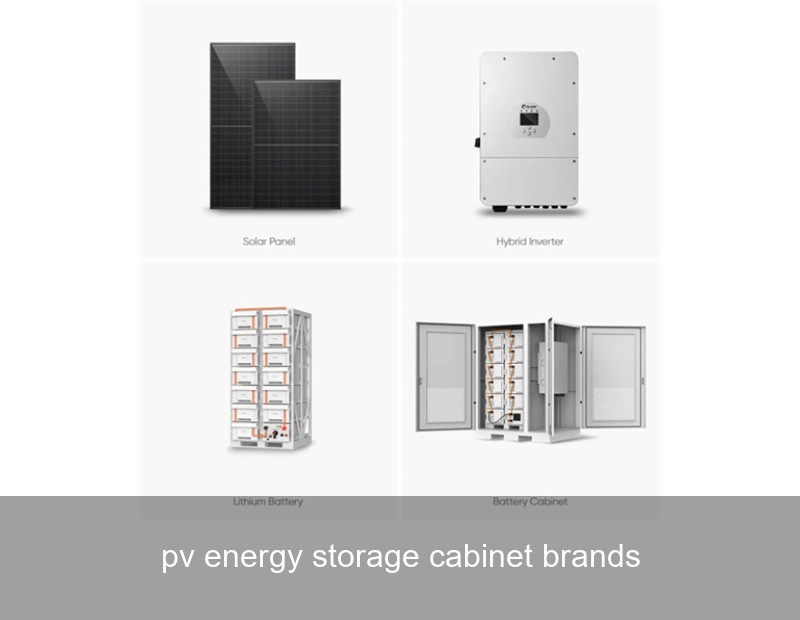
Have you noticed your electricity bills climbing, yet you're already generating your own solar power? You're not alone. Across homes and businesses in Europe and the US, a common phenomenon is emerging: solar panels are producing abundant energy during the day, but high evening demand still forces reliance on the grid. This is where PV energy storage cabinet brands step in, transforming solar from a daytime supplement to a 24/7 power solution. But with so many brands on the market, how do you choose the right partner for your energy independence journey? Let's break down what truly matters.
Table of Contents
The Phenomenon: Why Solar Alone Isn't Enough
Modern solar panels are incredibly efficient, but the sun, unfortunately, operates on a fixed schedule. This creates a fundamental mismatch: maximum production occurs midday, while peak consumption for most families and businesses is in the early morning and evening. Without storage, excess solar energy is often exported to the grid at low rates, only for you to buy back expensive power hours later. A PV energy storage cabinet—essentially a sophisticated, safe enclosure for batteries and intelligent management systems—solves this by capturing that surplus. It's the cornerstone of a truly resilient and cost-effective energy system, allowing you to use your self-generated power on your own terms.
The Data: The Rising Demand for Storage
The numbers speak volumes. According to the International Energy Agency (IEA), global renewable capacity additions jumped by almost 50% in 2023, with solar PV accounting for three-quarters of this growth. Crucially, the IEA notes that the integration of storage is becoming a key determinant of project success and grid stability. In the U.S., the Energy Information Administration (EIA) reported that battery storage capacity is expected to nearly double in 2024 alone. This surge isn't just about economics; it's about energy security. In regions prone to extreme weather or with less stable grids, a reliable storage system transitions from a "nice-to-have" to an essential asset for business continuity and household safety.

Image: A complete home energy system combining solar panels and a battery storage cabinet. Source: Unsplash
Key Criteria for Evaluating PV Energy Storage Cabinet Brands
Not all storage solutions are created equal. When comparing PV energy storage cabinet brands, look beyond just the price per kWh. Here are the critical pillars to assess:
- Safety & Cell Chemistry: This is non-negotiable. Look for brands using proven, stable lithium iron phosphate (LFP) chemistry, which offers superior thermal runaway resistance compared to older NMC blends. The cabinet's design should include robust thermal management (cooling/heating), fire suppression features, and certified enclosures.
- Intelligence & Software: The hardware stores energy; the software maximizes its value. Advanced energy management systems (EMS) can learn your consumption patterns, automatically optimize for time-of-use rates, and even provide grid services if permitted.
- Scalability & Modularity: Your energy needs will evolve. Can you easily add more battery modules to the cabinet later? A modular design protects your investment and allows for flexible, phased expansion.
- Depth of Discharge & Warranty: A brand that offers a high depth of discharge (DoD) and a long, straightforward warranty (e.g., 10 years, 70% retained capacity) is confident in the longevity of its product. Always read the warranty fine print.
- Grid Services & Compatibility: For commercial applications, the ability to participate in demand response or frequency regulation programs can create new revenue streams. Ensure the system is compatible with your existing solar inverters and local grid requirements.
A Case Study: Stability for a German Manufacturing SME
Let's look at a real-world example. "Müller Feinmechanik," a mid-sized precision engineering company in Bavaria, Germany, faced a dual challenge: volatile energy costs and a need for flawless power quality to protect sensitive CNC machinery. Their existing 100 kWp solar array covered only 40% of their daytime load, and nothing after hours.
In 2023, they installed a 240 kWh containerized battery energy storage system (BESS) from a leading provider. The results after one year were compelling:
| Metric | Before Installation | After Installation |
|---|---|---|
| Solar Self-Consumption | ~40% | ~92% |
| Grid Energy Draw During Peak Hours | 100% of evening load | < 15% |
| Annual Energy Cost Savings | Baseline | €28,500 |
| Power Quality Events Affecting Machinery | 3-5 minor events/year | 0 |
The system's intelligent controls automatically shift to battery power during high-tariff periods and provide seamless backup during grid sags. For Müller, the investment wasn't just about savings; it was about protecting their core manufacturing process and achieving predictable operational costs—a critical advantage in a competitive market.
The Highjoule Approach: Intelligent Storage Built to Last
At Highjoule, with nearly two decades of experience since 2005, we've designed our PV energy storage solutions around these very principles. We understand that choosing a brand is about choosing a long-term partner in your energy transition.
Our HPS Series (Highjoule PowerStack) commercial and industrial cabinets are engineered from the ground up for safety and performance. They utilize top-tier LFP battery cells in a modular, UL/Certified design, allowing capacity from 100 kWh to multi-MWh scales. What truly sets them apart is the Highjoule Neuron™ EMS platform. This AI-driven brain doesn't just store and release energy; it continuously analyzes weather forecasts, utility rates, and load patterns to develop the most economical strategy for your specific site.
For residential and small business applications, our HES (Highjoule Home Energy System) cabinet brings this same intelligence to a compact, user-friendly format. Managed via an intuitive app, it gives homeowners complete control, from maximizing self-consumption to providing essential backup power during outages. All Highjoule systems are backed by a transparent 10-year performance warranty and supported by our global network of certified installers.

Image: Interior of a professionally engineered battery energy storage cabinet. Source: Unsplash
Making Your Choice: Questions to Ask Your Provider
As you evaluate different PV energy storage cabinet brands, arm yourself with these questions:
- Can you provide a detailed simulation of my projected self-consumption and savings based on my historical energy data?
- What is the specific battery cell chemistry, and what third-party safety certifications does the complete cabinet assembly hold?
- How does the energy management software adapt to changing utility tariffs and my evolving usage?
- What is the true total cost of ownership, including installation, maintenance, and potential future expansion?
- Can you share reference cases from similar projects in my region?
The journey to energy independence is a significant step. It requires a solution that is not only powerful today but also adaptable for the challenges and opportunities of tomorrow. The right brand will act as a guide, ensuring your investment delivers security, savings, and sustainability for years to come.
What's the first energy goal you'd want a smart storage system to tackle for your home or business—slashing your peak demand charges, achieving 24/7 renewable power, or ensuring unwavering resilience against the next grid interruption?
 Inquiry
 Online Chat