


Unlocking Energy Independence: A Comprehensive Guide to Residential Solar Energy
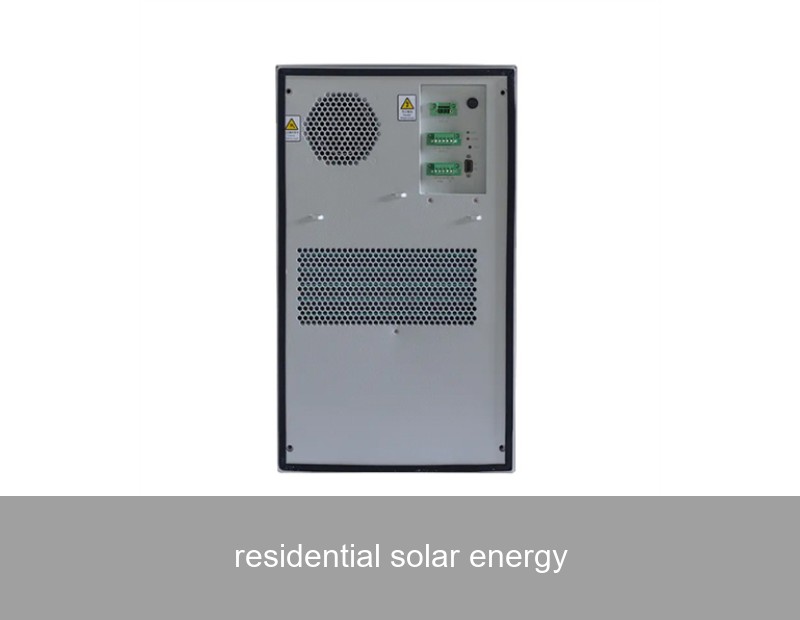
Have you ever looked at your electricity bill and wished for a simpler, more predictable solution? You're not alone. Across Europe and the US, a quiet revolution is powering homes, driven by the desire for control, sustainability, and long-term savings. This revolution is residential solar energy. More than just panels on a roof, it's a complete ecosystem that captures the sun's abundant power for daily use. But the true magic happens when this solar power is stored and managed intelligently, ensuring your home is powered day and night, rain or shine. Let's explore how modern technology is turning this vision into a reliable, everyday reality for homeowners.
Table of Contents
- The Phenomenon: From Sunlight to Household Staple
- The Data: Why Homeowners Are Making the Switch
- Case Study: The Smith Family's Journey in California
- The Key Component: Beyond Panels to Intelligent Storage
- The Highjoule Solution: Powering Smarter Homes
- Making the Decision: Is Residential Solar Right for You?
The Phenomenon: From Sunlight to Household Staple
Gone are the days when solar was a niche, clunky technology. Today's residential solar energy systems are sleek, efficient, and integrated. The basic principle remains: photovoltaic (PV) panels convert sunlight into direct current (DC) electricity. An inverter then transforms this into the alternating current (AC) that powers your home. But here's the catch—the sun doesn't shine on demand. This mismatch between peak production (midday) and peak consumption (evening) created a significant hurdle. The answer, and the core of a modern system, is energy storage.

Image Source: Unsplash - A modern home equipped with a residential solar energy system.
The Data: Why Homeowners Are Making the Switch
The growth isn't just anecdotal; it's backed by compelling numbers. According to the Solar Energy Industries Association (SEIA), the U.S. residential solar market installed over 6 GW of capacity in 2023, serving hundreds of thousands of homes. In Europe, driven by both policy and soaring energy prices, countries like Germany, Poland, and the Netherlands are seeing record-breaking installations. The drivers are clear:
- Financial Savings: Drastically reduce or even eliminate monthly utility bills. With a battery, you use your own solar power at night, maximizing self-consumption.
- Energy Security: Increasing grid outages due to extreme weather make backup power a critical feature, not a luxury.
- Environmental Impact: Directly reduce your household's carbon footprint by using clean, renewable power.
- Increased Home Value: Studies consistently show homes with solar-plus-storage systems command higher market prices.
However, not all storage solutions are created equal. The performance, longevity, and safety of your battery are paramount.
Case Study: The Smith Family's Journey in California
Let's make this real. The Smith family in Sacramento, California, installed a 8 kW solar array in 2022. Initially, they were sending 65% of their daytime production back to the grid for a modest credit, only to buy expensive power back in the evening (a process known as net metering, which is becoming less favorable in many regions).
In early 2023, they added a 13.5 kWh integrated home battery system. The results after one year were telling:
| Metric | Before Battery | After Battery |
|---|---|---|
| Grid Electricity Import | 4,200 kWh/year | 850 kWh/year |
| Self-Consumption of Solar | 35% | 92% |
| Estimated Annual Bill Savings | $1,200 | $2,800 |
Furthermore, during five planned public safety power shutoffs (PSPS) that year, their home remained fully powered for the duration, a benefit impossible to quantify in mere dollars. This case highlights the transformative impact of coupling solar with robust storage.
The Key Component: Beyond Panels to Intelligent Storage
This is where the conversation evolves. The battery is the heart of a modern residential solar energy system. When evaluating storage, homeowners should consider:
- Chemistry: Lithium Iron Phosphate (LFP) batteries are now the industry benchmark for safety and long cycle life, crucial for daily charging and discharging.
- Power & Capacity: Can the system run your entire home's essential loads, and for how long? This depends on your energy usage patterns.
- Integration: A seamless, all-in-one unit that includes the inverter, battery, and management system is easier to install, maintain, and monitor.
- Software Intelligence: Can the system learn your habits, weather patterns, and utility rate schedules to optimize energy flow automatically?

Image Source: Unsplash - A modern, wall-mounted home battery storage unit.
The Highjoule Solution: Powering Smarter, More Resilient Homes
At Highjoule, with nearly two decades of experience since 2005, we've focused on solving this exact challenge: turning intermittent solar into a dependable 24/7 power source. Our approach isn't just about providing hardware; it's about delivering guaranteed energy resilience.
Our flagship product for homes, the Highjoule HOMESERIES, is an integrated AC-coupled storage system built with LFP battery chemistry. It's designed for simplicity and performance. What sets it apart is the Highjoule Energy Operating System (EOS), an AI-driven software platform. EOS doesn't just store energy; it manages it. It automatically switches to backup power during outages in milliseconds, and can be configured to optimize for self-consumption or time-of-use bill management based on your local utility's pricing structure.
For homeowners, this means peace of mind. The system is monitored remotely, with proactive alerts and over-the-air updates ensuring it always performs at its best. Whether it's a family in Texas looking to guard against grid instability or a household in Germany aiming for near-total energy autonomy (Energieautarkie), Highjoule's technology provides a scalable, safe, and intelligent foundation.
Choosing the Right Partner
Selecting a residential solar energy system is a significant decision. We recommend partnering with certified installers who can conduct a detailed energy audit of your home. Key questions to ask include:
- What is my home's total energy consumption, and what are the peak loads?
- How does local climate and roof orientation affect potential solar production?
- What are the local incentives, tax credits, and net metering policies? (The U.S. Department of Energy provides updated guidance on federal credits.)
- What is the warranty on both performance and longevity of the entire system, especially the battery?
Making the Decision: Is Residential Solar Right for You?
The journey to energy independence is exciting, but it requires looking beyond the initial quote. The true value lies in a system designed for your specific home and goals for the next 20+ years. It's about finding a solution that is not only powerful today but can adapt to future needs, like adding an electric vehicle charger or expanding your home.
So, as you contemplate the shift to residential solar energy, we leave you with this question: What does true energy security look like for your household—is it the silence of a battery kicking in during a storm, the satisfaction of a near-zero utility bill, or the pride of generating your own clean power? When you're ready to define it, the technology is here, mature and waiting.
 Inquiry
 Online Chat