


Sistemas de Almacenamiento de Energía Renovable: The Key to Unlocking a Reliable Clean Energy Future
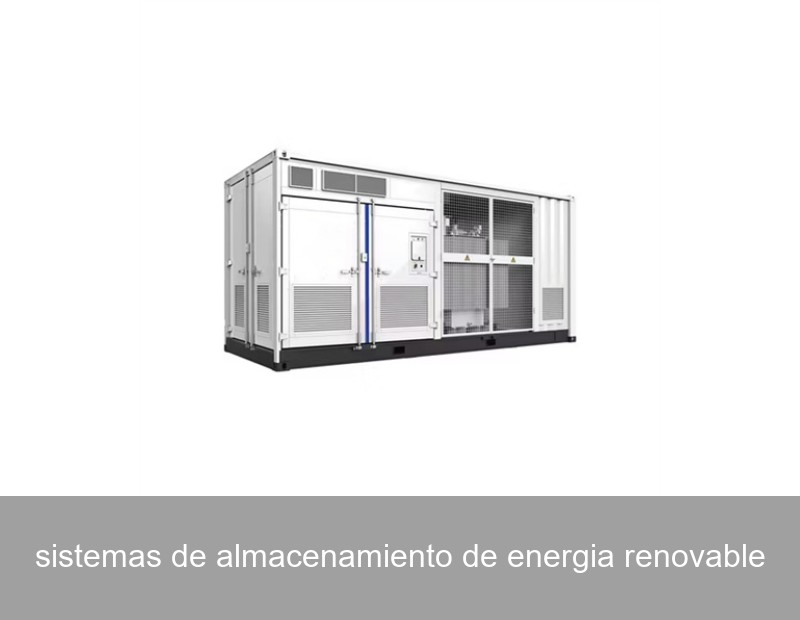
Imagine a world where the sun doesn't set on solar power, and the wind's inconsistency is no longer a challenge. This is the promise of sistemas de almacenamiento de energía renovable (renewable energy storage systems). For homeowners, businesses, and entire communities across Europe and the US, these systems are transforming green ambitions into tangible, 24/7 reality. But what happens when the clouds roll in or the gusts calm down? The answer lies not just in generating clean energy, but in intelligently storing it. This is where advanced technology providers like Highjoule step in, bridging the gap between renewable generation and dependable consumption.
Table of Contents
- The Intermittency Challenge: A Universal Phenomenon
- The Data: Why Storage is No Longer Optional
- Technology Breakdown: Inside a Modern Storage System
- Case Study: A Spanish Industrial Park's Success Story
- Highjoule's Intelligent Solutions: Beyond the Battery
- The Future of Energy is Stored
The Intermittency Challenge: A Universal Phenomenon
We've all seen it: a sunny afternoon suddenly turns grey, or a windy day falls still. This variability is the fundamental hurdle for solar and wind energy. Without a buffer, this intermittency forces grid operators to rely on fossil-fuel-powered "peaker" plants to balance supply and demand, undermining the environmental benefits. For a business, a sudden drop in self-generated solar power can mean unexpectedly high utility bills. For the grid, it can lead to instability and curtailment—literally wasting clean energy because there's nowhere to put it. The phenomenon is clear: pure generation is only half the solution.
The Data: Why Storage is No Longer Optional
The numbers paint a compelling picture. According to the International Energy Agency (IEA), the global energy storage market is set to expand by over 30% annually, with grid-scale storage leading the charge. In the US, the Energy Information Administration notes that battery storage capacity is expected to multiply significantly, crucial for integrating record levels of new solar and wind. In Europe, nations like Germany and Spain are actively deploying storage to manage their robust renewable fleets. The data underscores a critical insight: sistemas de almacenamiento de energía renovable are the essential enabler for the next phase of the energy transition, turning variable resources into firm, dispatchable power.
Technology Breakdown: Inside a Modern Storage System
At its core, a renewable energy storage system is more than just a battery. It's an integrated ecosystem of hardware and software designed for safety, efficiency, and longevity.
- The Heart: Battery Cells. Typically lithium-ion for their high density and declining cost, though alternatives like LiFePO4 are gaining traction for their safety and cycle life.
- The Brain: Battery Management System (BMS). This crucial component monitors cell voltage, temperature, and health, ensuring safe operation and maximizing battery lifespan.
- The Muscle: Power Conversion System (PCS). Often an inverter/charger, it converts DC electricity from the batteries to AC for your home or business, and vice versa for charging.
- The Nervous System: Energy Management Software (EMS). This intelligent software decides when to charge (from solar, the grid during low-cost periods) and when to discharge, optimizing for self-consumption, cost savings, or backup power.
Modern systems, such as those developed by Highjoule, integrate these components seamlessly into a single, smart solution. For instance, Highjoule's IntelliBESS commercial storage system combines high-density LiFePO4 batteries with a proprietary AI-driven EMS that can predict energy usage patterns and weather to optimize financial returns automatically.

Image: A modern containerized battery storage system, similar to commercial solutions. Source: Unsplash
Case Study: A Spanish Industrial Park's Success Story
Let's look at a real-world application in southern Spain, a region with abundant solar resources but also significant grid constraints. A medium-sized industrial park with a 1.5 MW rooftop solar installation faced two problems: high evening energy costs when solar production dropped, and grid connection limits that prevented expanding their solar array.
Their solution was a 500 kWh / 750 kW sistema de almacenamiento de energía renovable. The system was configured to:
- Store excess solar energy produced during midday instead of exporting it at low rates.
- Discharge during the evening peak hours (6-10 PM), offsetting expensive grid power.
- Provide "peak shaving" to reduce the park's maximum power demand, lowering capacity charges.
| Metric | Result |
|---|---|
| Increase in Self-Consumption of Solar | From 35% to over 80% |
| Annual Energy Cost Savings | €72,000 |
| Reduction in Grid Peak Demand | 22% |
| Projected Payback Period | Under 5 years |
This case, documented in a report by the Spanish Smart Grid Association, illustrates the tangible financial and operational benefits. The system not only improved economics but also enhanced the park's sustainability profile and energy resilience.
Highjoule's Intelligent Solutions: Beyond the Battery
As a global leader since 2005, Highjoule understands that a successful storage deployment is about more than just hardware. Our approach is holistic, focusing on the entire lifecycle of the sistema de almacenamiento de energía renovable.
For residential clients, our HomePower V2 series is a sleek, all-in-one unit that integrates with existing solar installations. Its intuitive app allows homeowners to prioritize between savings and backup, ensuring the lights stay on during an outage while minimizing electricity bills.
For commercial & industrial (C&I) applications, our modular IntelliBESS platform scales from 100 kWh to multi-megawatt hours. Its cloud-connected EMS can participate in grid services like frequency response (a growing revenue stream in markets like the UK and Germany) while managing on-site consumption, delivering a dual revenue stack.
For microgrids and utilities, Highjoule provides turnkey solutions including system design, integration with diesel gensets or other renewables, and long-term performance monitoring. Our systems are deployed in off-grid communities in Northern Europe and as grid-support assets in the US, showcasing their versatility.
Our services extend from initial consultation and feasibility studies to installation, commissioning, and 24/7 remote monitoring via our Highjoule Nexus platform, ensuring our systems deliver value for decades.

Image: Advanced monitoring and control are key to storage system performance. Source: Unsplash
Choosing the Right System for Your Needs
Selecting a sistema de almacenamiento de energía renovable requires careful consideration. Ask these key questions:
- What is my primary goal? (Maximizing self-consumption, backup power, reducing demand charges, generating revenue?)
- What is my existing renewable generation capacity? (Solar PV system size?)
- What is my typical load profile? (When do I use the most energy?)
- What are the local regulations and incentives? (e.g., tax credits in the US, specific subsidy programs in various EU countries)?
A reputable provider like Highjoule will help you navigate these questions, using simulation tools to model financial returns and design a system tailored to your specific energy profile and goals.
The Future of Energy is Stored
The integration of sistemas de almacenamiento de energía renovable is moving from an advanced option to a standard component of any serious energy strategy. As technology advances and costs continue to fall, we will see even deeper integration with electric vehicles, smart home systems, and fully decentralized energy communities. The future grid will be a dynamic network of producers, consumers, and "prosumers" all supported by intelligent storage buffers.
What specific energy challenge—be it unpredictable costs, grid reliability concerns, or sustainability targets—could a tailored storage solution solve for your home or business in the next year?
 Inquiry
 Online Chat