


Understanding and Implementing Effective Sistemas Fotovoltaicos Autonomos
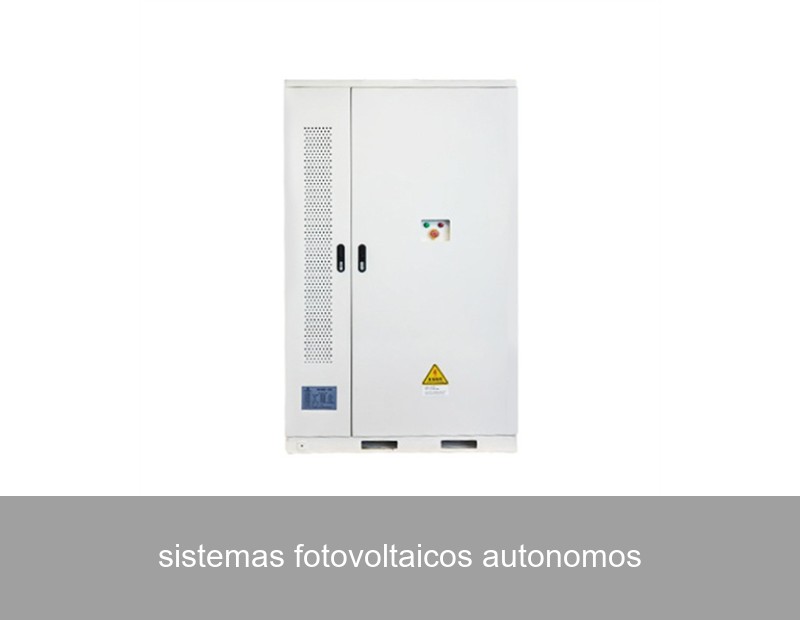
Imagine a home, farm, or business that operates entirely on its own clean power, completely independent from the utility grid. This isn't a distant dream; it's the reality enabled by sistemas fotovoltaicos autonomos, or autonomous photovoltaic systems. As energy prices fluctuate and the desire for true energy independence grows, especially in remote areas of Europe and the US, these off-grid solar solutions are becoming a cornerstone of modern, sustainable living. But moving from reliance to self-sufficiency requires more than just solar panels. It demands a smart, robust, and integrated system designed for unwavering reliability. This article will guide you through the essential components, real-world applications, and critical considerations for building a successful off-grid power solution.
Table of Contents
The Core Challenge: More Than Just Sunshine
The most common misconception about autonomous photovoltaic systems is that solar panels alone are sufficient. The real challenge lies in the mismatch between energy production and consumption. The sun doesn't shine at night, and cloudy days are inevitable. Your energy needs, however, are constant. This is where many DIY systems fail—they lack the sophisticated energy management and storage backbone needed for 24/7 reliability. According to the International Energy Agency (IEA), while solar PV capacity is soaring, the integration of storage is what truly unlocks its transformative potential, especially for off-grid applications.

An effective sistema fotovoltaico autonomo must solve three problems simultaneously: capture energy efficiently, store it intelligently for when it's needed, and manage the entire flow to prioritize critical loads and prolong system life. Let's break down how this is achieved.
The Anatomy of Autonomy: Key System Components
A robust off-grid system is a symphony of components working in harmony. Missing one, or choosing a weak link, compromises the entire operation.
- Solar Photovoltaic (PV) Panels: The primary energy harvesters. For off-grid, oversizing the array is common practice to ensure enough generation during shorter winter days.
- Charge Controller: The guardian of your batteries. It regulates the voltage and current from the panels to safely charge the battery bank, preventing overcharging which can severely damage batteries.
- Energy Storage System (Battery Bank): The heart of autonomy. This is where your "sunshine" is banked for later use. Technology choice is critical here.
- Battery Inverter/Charger: The brain and the muscle. This multi-function device converts the stored DC battery power into AC power for your appliances. Crucially, it also manages grid or generator input (if available as backup) and seamlessly handles switching between power sources.
Among these, the battery storage system and the intelligence of the inverter are the most decisive factors for long-term success. While lead-acid batteries were once the standard, Lithium Iron Phosphate (LiFePO4) technology has revolutionized off-grid storage with longer lifespan, deeper usable capacity, faster charging, and minimal maintenance.
The Battery Evolution: From Lead-Acid to Intelligent Lithium
Why has lithium technology become the de facto choice for modern sistemas fotovoltaicos autonomos? The data speaks for itself:
| Parameter | Traditional Lead-Acid | Modern LiFePO4 (e.g., Highjoule) |
|---|---|---|
| Usable Depth of Discharge (DoD) | ~50% | >90% |
| Cycle Life (to 80% capacity) | 1,200 - 1,500 cycles | >6,000 cycles |
| Round-Trip Efficiency | ~80% | >96% |
| Maintenance | Regular watering, cleaning | Essentially maintenance-free |
This means a LiFePO4-based system like those from Highjoule can store almost twice the usable energy in the same physical space, last several times longer, and waste significantly less of your precious solar energy in the conversion process. This directly translates to higher reliability and a lower total cost of ownership over the system's life.
A Real-World Case: Off-Grid Living in the Spanish Sierra
Let's look at a concrete example. A couple running a small eco-tourism retreat in the remote Sierra Nevada mountains of Spain needed a completely autonomous photovoltaic system to power their guest cabins, water pump, and home appliances. Their challenges were harsh winters, high energy demand from guests, and no possibility of a grid connection.
Their previous lead-acid system (15kWh) struggled. It required constant monitoring, couldn't handle simultaneous loads like the water pump and kitchen appliances, and needed replacement batteries every 4-5 years.
In 2022, they upgraded to a Highjoule integrated system:
- PV Array: 24kW of solar panels.
- Storage: A Highjoule H2 Series LiFePO4 battery bank with 40kWh of usable capacity.
- Management: A Highjoule AIO (All-In-One) inverter/charger with integrated energy management software.
The results after one year were transformative. The system's intelligent management automatically prioritizes loads and can predict weather patterns to adjust charging strategies. The data from their system portal shows an average daily self-consumption rate of 99.8%, with the small deficit covered by a silent backup generator that the system automatically starts only when absolutely necessary. The owners now have "set-and-forget" peace of mind, and their energy security is guaranteed year-round, proving that a well-designed sistema fotovoltaico autonomo is not just a power source, but a foundational utility.

Engineering Independence: Highjoule's Integrated Solutions
At Highjoule, we understand that true energy independence is built on integration and intelligence, not just components. Since 2005, we've specialized in designing and manufacturing advanced battery energy storage systems (BESS) that serve as the core of reliable sistemas fotovoltaicos autonomos for residential, commercial, and microgrid applications worldwide.
Our approach centers on our H-Series modular lithium battery systems. These aren't just batteries; they are smart energy nodes. Each module comes with built-in Battery Management System (BMS) that communicates seamlessly with our Hybrid and Off-Grid Inverters. This tight integration allows for:
- Predictive Energy Routing: The system learns consumption patterns and weather forecasts to optimize charging and discharging cycles.
- Seamless Failover: In milliseconds, the system can switch to backup generator power if needed, all without interrupting your appliances.
- Remote Monitoring & Management: Through the Highjoule Energy Cloud platform, users and installers can monitor performance, adjust settings, and receive diagnostics from anywhere.
For a large off-grid home or a commercial operation like an agricultural farm in California or a mountain lodge in the Alps, Highjoule provides a scalable, turnkey solution. We work with certified installers across Europe and the US to deliver not just products, but a complete promise of uninterrupted, clean power. Our systems are designed to meet the rigorous standards and climatic demands of these markets, ensuring safety and performance in every scenario.
The Future of Energy is Decentralized
The trend towards decentralization is clear. From the U.S. Department of Energy's focus on microgrids for resilience to the European Union's drive for energy sovereignty, autonomous photovoltaic systems are a key piece of the puzzle. They empower individuals, communities, and businesses to take direct control of their energy destiny, reduce their carbon footprint, and insulate themselves from external volatility.
The technology is proven, the economics are increasingly favorable, and the desire for sustainability is stronger than ever. The question is no longer if sistemas fotovoltaicos autonomos are viable, but how to implement them in the most robust and intelligent way possible.

What does energy independence look like for your home or project, and what is the first step you would take to make that vision a resilient reality?
 Inquiry
 Online Chat