


Powering Through the Dark: A Guide to Solar Batteries in South Africa
If you're a homeowner or business owner in South Africa, you're intimately familiar with the phrase "load shedding." It's more than an inconvenience; it's a disruption to daily life, productivity, and peace of mind. In this landscape, solar batteries in South Africa have evolved from a luxury to a critical component of energy independence. But with so many options, how do you choose the right system to ensure your lights stay on and your operations run smoothly? This guide breaks down the essentials, backed by data and real-world examples, to help you navigate your energy future.
Table of Contents
- The Problem: More Than Just Lights Out
- The Data: Why Solar-Plus-Storage is the Answer
- Case Study: A Johannesburg Manufacturing Plant's Success
- Key Features to Look for in a Solar Battery System
- The Highjoule Solution: Engineered for South African Resilience
- Looking Ahead: The Future of Energy in South Africa
The Problem: More Than Just Lights Out
Load shedding represents a complex challenge. Beyond the obvious frustration of a dark home or office, it causes:
- Economic Loss: Sudden power cuts halt production lines, spoil perishable goods, and disrupt digital services.
- Equipment Damage: The surge when power returns can fry sensitive electronics and appliances.
- Personal & Community Impact: It affects security systems, medical devices, Wi-Fi connectivity, and overall quality of life.
While solar panels are a fantastic first step, they generate power only when the sun shines. Without a battery, you're still vulnerable during evening load shedding or cloudy days. This is where pairing panels with a robust solar battery storage system creates a complete solution.
The Data: Why Solar-Plus-Storage is the Answer
The numbers speak volumes. According to the Council for Scientific and Industrial Research (CSIR), South Africa experienced over 200 days of load shedding in 2023, with the intensity (measured in Gigawatt-hours lost) increasing significantly year-on-year. This instability has directly fueled a renewable energy boom. Research firm BloombergNEF estimates that the behind-the-meter energy storage market in South Africa is poised for major growth, driven primarily by commercial and industrial users seeking reliability.
Financially, the calculus is shifting. The decreasing cost of lithium-ion batteries, coupled with rising and unpredictable electricity tariffs from the grid, has shortened the payback period for a solar-plus-storage system. You're not just buying backup power; you're investing in a predictable, long-term energy asset that shields you from tariff hikes.

A rooftop solar installation. Adding a battery transforms it from a daytime saver to a 24/7 power source.
Case Study: A Johannesburg Manufacturing Plant's Turnaround
Consider the experience of "Precision Auto Parts," a mid-sized manufacturing plant in Johannesburg. Facing Stage 4-6 load shedding, they were losing approximately 8 production hours per week, equating to a 20% weekly revenue loss and risking contract penalties.
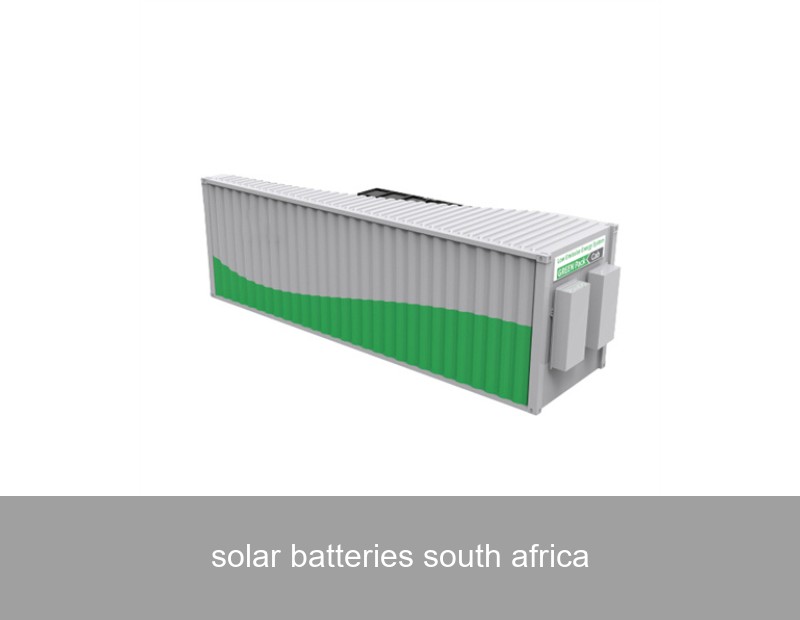
Their Solution: In early 2023, they installed a 250 kW solar array coupled with a 500 kWh containerized battery energy storage system (BESS).
The Results (12 Months Later):
| Metric | Before Installation | After Installation |
|---|---|---|
| Production Downtime from Load Shedding | ~32 hours/month | 0 hours/month |
| Grid Electricity Consumption | 100% | 40% (60% from solar + battery) |
| Monthly Energy Cost Savings | Baseline (R) | R 85,000 |
| Estimated Payback Period | N/A | 5.2 years |
The plant manager noted, "The system doesn't just keep the lights on; it keeps our entire CNC and assembly line running seamlessly through load shedding. It's given us a competitive edge we didn't have before."
Key Features to Look for in a Solar Battery System
Not all batteries are created equal, especially for demanding South African conditions. When evaluating solar batteries for South Africa, prioritize these features:
- Depth of Discharge (DoD): Look for batteries with a DoD of 90% or higher. This means you can use almost all the stored energy without damaging the battery.
- Cycle Life: This indicates how many charge/discharge cycles the battery can handle before its capacity significantly degrades. A quality lithium-ion battery should offer 6,000+ cycles.
- Power Rating (kW): Determines how many appliances you can run simultaneously. A higher power rating is crucial for starting motors (like fridges or pumps).
- Energy Rating (kWh): Determines how long you can power your home or business. More kWh equals longer backup time.
- Integrated Energy Management: The brain of the system. Smart software should optimize when to charge from solar, when to discharge, and when to draw from the grid, maximizing savings and lifespan.
- Robust Warranty & Local Support: A 10-year warranty is a strong indicator of confidence. Ensure the provider has local technical support for installation and maintenance.
The Highjoule Solution: Engineered for South African Resilience
At Highjoule, we've been designing advanced energy storage solutions since 2005 for the world's most challenging environments. We understand that South Africa needs more than just a battery; it needs a resilient, intelligent power partner.
Our HPS Series (Home Power System) and CBS Series (Commercial Battery System) are built with the South African context in mind:
- Ultra-High Cycle Life: Our proprietary lithium ferro-phosphate (LFP) cells are engineered for over 8,000 cycles, ensuring a system that lasts decades.
- All-Weather Resilience: Designed to operate efficiently in a wide temperature range, from chilly Highveld winters to scorching Karoo summers.
- Highjoule SmartOS: Our cloud-based energy management platform is the true differentiator. It learns your consumption patterns, forecasts weather and load shedding schedules (where data is available), and automatically optimizes your system for maximum self-consumption and cost savings. You can monitor and control everything from your smartphone.
- Scalable Design: Start with what you need and add more battery modules as your energy needs grow, protecting your initial investment.
For larger commercial and industrial applications, our containerized Microgrid Energy Storage (MES) solutions provide turnkey, utility-scale storage that can island an entire factory or community from the grid.

A sleek, wall-mounted residential battery system like Highjoule's HPS Series, providing silent, automated backup power.
What Does a Highjoule Installation Look Like?
Our process is consultative and seamless. We partner with a network of certified local installers who assess your site, analyze your electricity bills, and design a system tailored to your specific load profile and backup requirements. The focus is on delivering not just hardware, but a guaranteed outcome: energy security and lower costs.
Looking Ahead: The Future of Energy in South Africa
The transition towards decentralized, renewable energy is irreversible. Solar batteries in South Africa are the keystone of this transition, empowering homes, businesses, and communities to take control. As battery technology continues to advance and costs decline, we will see more innovative applications, like vehicle-to-grid (V2G) integration and peer-to-peer energy trading within neighborhoods.
The question is no longer if you should invest in a solar battery system, but how to choose the one that will deliver reliable service for the next 20 years. It's an investment in stability, sustainability, and self-reliance.
Given the unique pressures on South Africa's grid, what would be the first thing you'd power with your own reliable energy source—and what would that uninterrupted power give back to you, your family, or your business?
 Inquiry
 Online Chat