


The Smart Heart of Your Solar System: Why a Solar Inverter with Battery is a Game-Changer
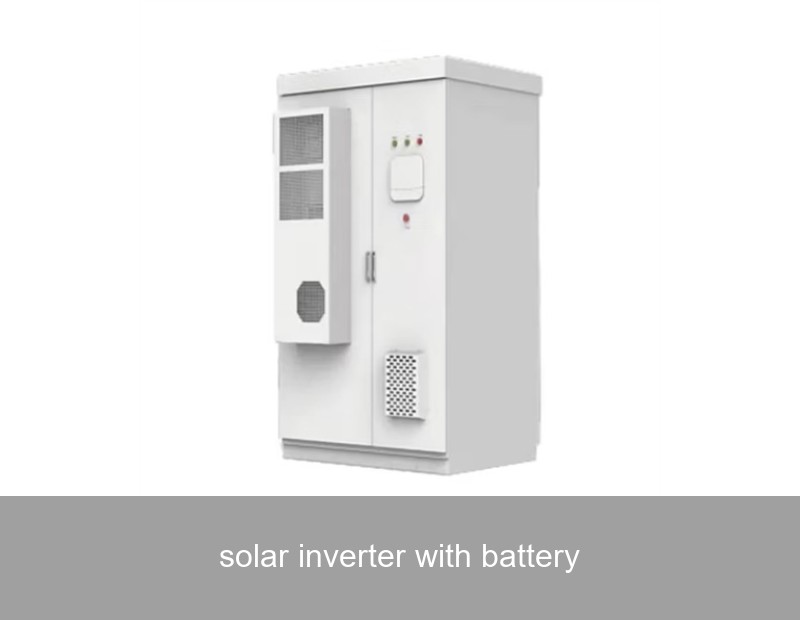
If you've invested in solar panels, you're already harnessing the sun's power. But what happens when the sun goes down, or during a grid outage? This is where the true evolution of home energy happens: integrating a solar inverter with battery. Think of it not just as an addition, but as the intelligent core that transforms your solar array from a daytime contributor into a 24/7 personal power plant. For homeowners and businesses across Europe and the US, this combination is rapidly shifting from a luxury to a cornerstone of energy resilience and independence.
Table of Contents
The Phenomenon: From Sun-Dependent to Energy Independent
Traditional solar setups are, by nature, intermittent. They produce abundantly when the sun shines, often exporting excess to the grid for a small feed-in tariff. At night or on cloudy days, you pull power back from the utility. This seesaw relationship leaves you vulnerable to rising electricity prices and grid instability. The modern solution is an integrated solar inverter with battery. This system doesn't just convert DC solar power to usable AC; it intelligently manages energy flow, storing surplus solar energy for when you need it most.
Imagine it as a sophisticated energy conductor. During peak production, it prioritizes powering your home, then charges the battery, and only then exports any remaining excess. In the evening, it seamlessly switches to battery power, reducing grid draw. During an outage, a critical feature called islanding kicks in, allowing the system to disconnect from the grid and keep your lights on using stored solar energy. This isn't just a hardware upgrade; it's a fundamental shift in how you interact with energy.
The Data: Why Coupling is Key to Maximizing ROI
The financial and practical logic for pairing batteries with solar inverters is compelling. Let's look at the numbers:
- Self-Consumption Boost: Without storage, a typical household might use only 30-50% of its solar generation directly. With a battery, this can soar to 70% or more, drastically cutting bills. The U.S. Department of Energy notes that inverters with grid-support functions are essential for modern renewable integration.
- Reduced Peak Demand Charges: For commercial and industrial users, utility charges are often based on peak power draw. A battery can discharge during these short peak periods, slashing this costly line item.
- Grid Independence: With increasing grid volatility and extreme weather events, the value of backup power is soaring. In the US, power outage frequency has increased by approximately 78% since 2011 according to data from the U.S. Energy Information Administration.
| System Type | Daytime Self-Consumption | Evening Power Source | Grid Outage Resilience |
|---|---|---|---|
| Solar Only | Moderate (30-50%) | Utility Grid | None |
| Solar + AC-Coupled Battery | High | Battery -> Grid | Yes |
| Integrated Solar Inverter with Battery (DC-Coupled) | Very High (70%+) | Battery | Yes (Seamless) |
This is where Highjoule's expertise comes into play. We design DC-coupled systems where the battery connects directly to the inverter's DC bus. This architecture is inherently more efficient for storing solar energy, as it avoids multiple DC-AC-DC conversions. Our H-Energy Hub series is a prime example—a unified inverter-charger that manages solar, battery, and grid with exceptional efficiency, ensuring every possible watt-hour of your solar production is put to use.
The Case Study: A Real-World Example from Bavaria
Let's move from theory to a concrete example. Consider a medium-sized dairy farm in Bavaria, Germany. The farm had a 45 kWp solar array but was still facing high energy costs, especially for round-the-clock cooling and milking operations. Their goal was to increase self-sufficiency and secure backup power for critical refrigeration.
They installed a Highjoule H-Energy Hub 50 system, integrating a 50 kW inverter with a 120 kWh lithium iron phosphate (LiFePO4) battery. The results after one year were telling:
- Grid Consumption Reduction: Annual grid electricity purchases dropped by 82%.
- Self-Sufficiency Rate: The farm's energy independence rose from 35% to 92%.
- Peak Shaving: The system automatically discharged during high-tariff periods, saving over €8,000 annually in demand charges alone.
- Reliability: During two planned grid maintenance outages, the farm operated normally on solar and battery power, preventing spoilage and operational downtime.

This case illustrates the transformative impact of a correctly sized and intelligently managed solar inverter with battery system in a commercial setting. It's not just about savings; it's about operational resilience.
The Insight: More Than Just Backup Power
The Bavarian farm case shows the multi-layered value. Beyond backup, a modern system like Highjoule's provides:
- Energy Arbitrage: Store cheap solar (or off-peak grid) power to use during expensive peak times.
- Grid Services: In some markets, advanced inverters can provide frequency regulation to support the grid, creating a potential revenue stream.
- Future-Proofing: As electric vehicles become ubiquitous, your solar inverter with battery becomes the perfect platform for adding EV charging, managing the load to avoid grid overload.
Highjoule systems are built with this smart ecosystem in mind. Our platform's software allows for programmable energy management strategies, letting you set priorities—like "always keep the battery 50% charged for emergencies" or "maximize export during this high-price window."
Choosing the Right System: Key Considerations
Not all solar inverter with battery solutions are created equal. Here’s what to evaluate:
1. Coupling Architecture: DC vs. AC
As mentioned, DC-coupled systems (like Highjoule's H-Energy Hub) are typically more efficient for solar charging. AC-coupled systems add a battery to an existing solar setup more easily but may have lower round-trip efficiency.
2. Battery Chemistry
Lithium Iron Phosphate (LiFePO4) is now the dominant choice for stationary storage due to its long cycle life, safety, and stability. It's the chemistry we use across Highjoule's product line.
3. Inverter Capabilities
Look for features like high peak power output for starting motors, seamless transition to backup power (<100ms), and software that receives updates. The inverter is the brain; it must be robust and smart.

4. Scalability and Service
Can you add more battery capacity later? Is the provider a long-term partner? Highjoule, with nearly two decades of experience, offers scalable modular batteries and comprehensive monitoring and support services globally, ensuring your system evolves with your needs.
Your Energy Future: A Question of Control
The transition to renewable energy is unstoppable, but its true potential is unlocked through storage. A solar inverter with battery moves you from being a passive consumer to an active manager of your energy destiny. It's about taking control—of your costs, your carbon footprint, and your resilience.
So, as you look at your solar panels or plan your new installation, ask yourself this: Is your system just generating power, or is it intelligently managing your energy independence? What would it mean for your home or business to have uninterrupted, clean power, even when the grid is down?
We invite you to explore how Highjoule's tailored energy storage solutions can transform your solar investment into a complete energy independence platform. What's the first load you would secure with your own reliable power?
 Inquiry
 Online Chat