


Solar Off-Grid Sri Lanka: A Sustainable Power Solution for a Resilient Future
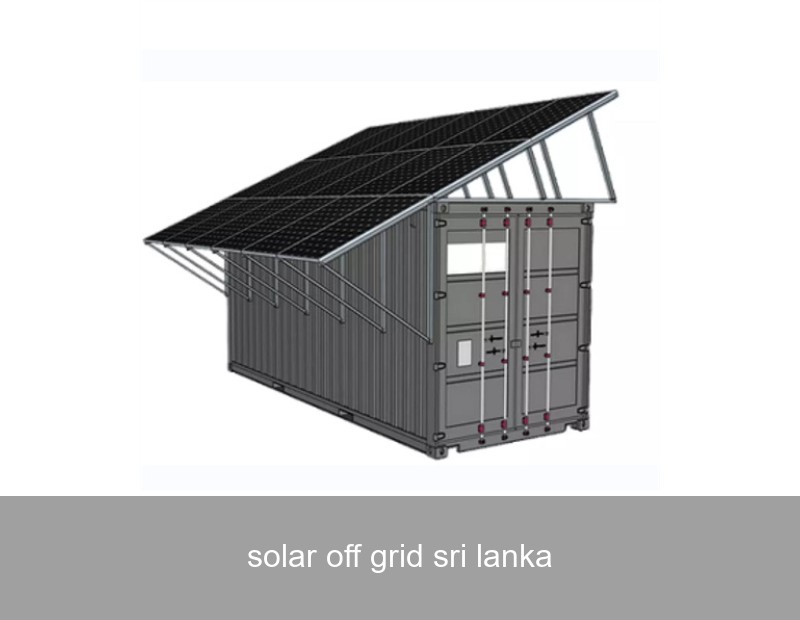
Imagine running a business, a hospital, or a farm where the main power grid is unreliable. Now, imagine that same location basking in abundant sunshine for most of the year. This is the reality and the opportunity in solar off-grid Sri Lanka. For communities and industries across this beautiful island nation, disconnecting from an unstable grid isn't just an alternative—it's becoming a strategic necessity for progress and resilience. In this deep dive, we'll explore how modern solar off-grid systems are powering Sri Lanka's future, one intelligent battery at a time.
The Power Problem: Why Sri Lanka is Looking Up to the Sun
Sri Lanka's energy landscape has faced significant challenges. Reliance on imported fossil fuels for thermal power generation has led to vulnerability to global price shocks and supply chain issues, often resulting in load-shedding and high electricity costs. According to the International Energy Agency (IEA), while Sri Lanka has made great strides in electrification, ensuring a stable, affordable, and sustainable power supply remains a key focus. This is where the sun enters the equation. With an average solar irradiance of 5-6 kWh/m²/day, Sri Lanka possesses a world-class solar resource, perfectly suited for solar off-grid and hybrid solutions.

Image: Solar potential is high across Sri Lanka. (Source: Unsplash, representative image)
Solar Off-Grid Explained: More Than Just Panels on a Roof
Let's clear up a common misconception. A true solar off-grid system is a self-contained power plant. It has no physical connection to the national utility grid. It must generate, store, and manage all the electricity the connected load requires, 24/7. This is a far more sophisticated setup than a simple grid-tied system. The core challenge? The sun doesn't shine at night, and clouds can appear. Therefore, the heart of a reliable off-grid system isn't just the solar panels—it's the battery energy storage system (BESS) and the brain that controls it all: the inverter/charge controller.
The Critical Difference: Off-Grid vs. Backup
Many think of a generator when they hear "backup power." For solar off-grid Sri Lanka applications, the system is the primary source. Diesel generators may be included as a last-resort backup for prolonged cloudy periods, but the goal is to minimize their use. The sophistication lies in seamlessly balancing solar production, battery state of charge, and load demand autonomously.
A Real Case Study: Powering a Tea Factory in Nuwara Eliya
Let's look at a tangible example. A medium-sized tea processing factory in the hills of Nuwara Eliya was plagued by daily power cuts. These interruptions during the withering, rolling, and fermentation processes risked ruining entire batches of tea, leading to significant financial loss and quality inconsistency.
The Solution & The Data: The factory installed a 120 kW solar PV array coupled with a 360 kWh lithium-ion battery storage system. The system was designed to carry 100% of the factory's processing load for up to 10 hours without sun. Here are the results after one year of operation:
| Metric | Before System | After System |
|---|---|---|
| Daily Diesel Consumption | 40-50 Liters | ~5 Liters (backup only) |
| Process Downtime Due to Grid Outage | ~15 hours/month | 0 hours/month |
| Estimated CO2 Reduction | Baseline | ~42 tonnes/year |
| Payback Period | N/A | Estimated 5-6 years |
This case, documented in part by the Asian Development Bank's Sri Lanka Energy Sector Support Project, highlights the triple win: operational resilience, cost savings, and environmental sustainability. The factory is now a model of modern, clean agro-processing for solar off-grid Sri Lanka.
Key Components of a Reliable Solar Off-Grid System
Building a system that can reliably power a home, business, or community requires carefully selected components:
- Solar PV Modules: High-efficiency panels are preferred, as space can sometimes be limited.
- Charge Controller: The gatekeeper that regulates the power flowing from the panels to the batteries, preventing overcharging.
- Battery Energy Storage System (BESS): The cornerstone. This is where energy is banked for use when the sun is down. Lithium-ion phosphate (LFP) batteries are now the standard for off-grid due to their long lifespan, safety, and depth of discharge.
- Inverter: Converts the DC electricity from the panels and batteries into the AC electricity that powers appliances and machinery.
- System Monitoring & Control: Intelligent software that provides real-time data on performance, state of charge, and energy flows, often accessible via smartphone.
Highjoule's Role: Delivering Intelligent, Durable Power for Sri Lanka
This is where Highjoule's nearly two decades of expertise becomes critical. The Sri Lankan environment—with its humidity, heat, and sometimes remote locations—demands robust, "set-and-forget" technology. Highjoule's EverVolt Off-Grid Series is engineered for this exact purpose.
Our integrated systems combine high-efficiency, corrosion-resistant PV modules with our proprietary IntelliBESS lithium-ion storage units. What sets them apart is the NeuroCore energy management system. Think of it as the intelligent brain of the operation. NeuroCore doesn't just switch power sources; it learns energy usage patterns, predicts solar yield based on weather data, and optimally cycles the batteries to extend their life to beyond 10 years. For a tea factory, a resort in the cultural triangle, or a remote clinic, this means unparalleled reliability and lower total cost of ownership.

Image: Modern, modular BESS units like Highjoule's IntelliBESS are key for off-grid reliability. (Source: Unsplash, representative image)
Our services extend beyond hardware. Highjoule provides remote system monitoring and proactive maintenance alerts for our commercial and industrial clients in Sri Lanka, ensuring their solar off-grid investment is protected and performing optimally year after year.
The Future Outlook for Solar Off-Grid in Sri Lanka
The trajectory for solar off-grid Sri Lanka is incredibly promising. Beyond individual commercial applications, we see the potential for solar-powered microgrids to electrify rural communities sustainably. The technology is also a perfect match for Sri Lanka's booming tourism sector, allowing eco-resorts to offer luxury with a minimal environmental footprint. As battery costs continue to decline and intelligence improves, the economic case will only strengthen.
The journey towards energy independence is complex, but the path is now clearly illuminated by the sun. The question for business owners, community leaders, and policymakers is no longer if solar off-grid is viable, but how quickly it can be implemented to secure their operational and economic future.
Is your business or community in Sri Lanka ready to assess its potential for true energy independence with a solar off-grid system tailored to your specific load patterns and resilience needs?
 Inquiry
 Online Chat