


The Rise of Solar Panel Made in Saudi Arabia: A New Energy Powerhouse Emerges
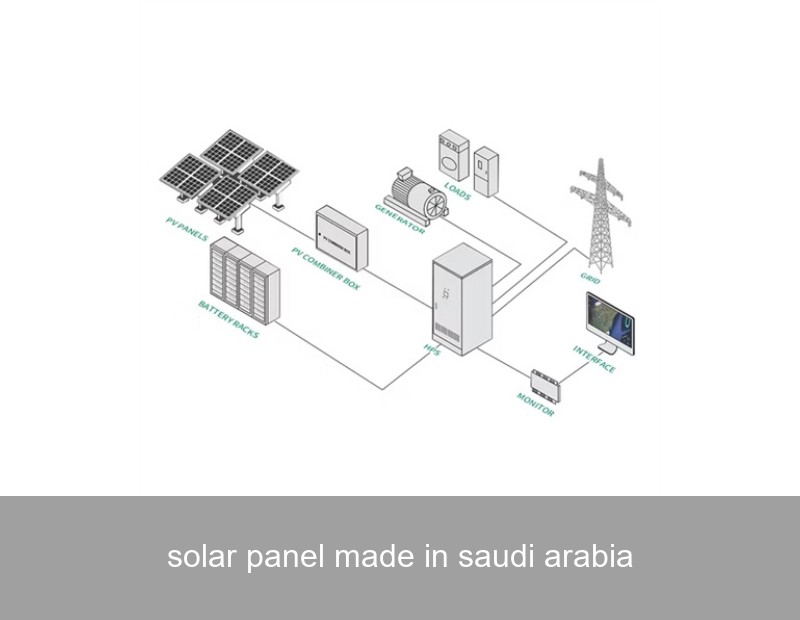
For decades, the global energy map was clear: fossil fuel-rich nations exported power, while others imported. But a profound shift is underway. Today, nations like Saudi Arabia are not just pivoting from oil; they are aggressively building a future as exporters of solar energy and technology. The phrase "solar panel made in Saudi Arabia" is evolving from a novelty into a significant marker of this global energy transition. This movement isn't just about manufacturing; it's about integrating world-class panels into intelligent, resilient energy systems that maximize every kilowatt-hour. For businesses and communities in Europe and the US, understanding this shift is key to building a sustainable and cost-effective energy future.
Table of Contents
- Beyond Oil: Vision 2030 and the Solar Manufacturing Push
- Quality and Innovation: What Defines a Saudi-Made Solar Panel?
- The Critical Piece: Why Your Solar Panel is Only as Good as Its Storage System
- Case Study: Powering the Future at NEOM
- Global Implications for the US and European Markets
- Highjoule's Role in a Diversified Solar Ecosystem
Beyond Oil: Vision 2030 and the Solar Manufacturing Push
The story begins with Saudi Arabia's Vision 2030, a strategic framework to reduce the kingdom's dependence on oil. A cornerstone of this vision is becoming a global leader in renewable energy, with a target of generating 50% of its electricity from renewables by 2030. This ambitious goal has catalyzed massive investments in local solar panel production. Giants like Saudi Arabia's ACWA Power and international partnerships are establishing state-of-the-art manufacturing facilities. The goal is clear: create a vertically integrated solar industry, from polysilicon to finished modules, establishing "solar panel made in Saudi Arabia" as a symbol of quality and scale in the global market.
Quality and Innovation: What Defines a Saudi-Made Solar Panel?
Given the harsh desert environment—extreme heat, dust, and high UV exposure—panels manufactured here are inherently designed for durability and high performance under stress. Key characteristics include:
- Advanced Heat Tolerance: Utilizing cell technology and materials that minimize efficiency loss (temperature coefficient) in high temperatures.
- Robust Construction: Enhanced framing and encapsulation to withstand frequent sandstorms and thermal cycling.
- High Efficiency Focus: A trend towards monocrystalline PERC and N-type TOPCon cells to maximize energy yield per square meter, a crucial factor for large-scale utility projects.
This focus on robust performance is validated by projects like the 2.06 GW Al Shuaibah Solar PV plant, set to be one of the world's largest single-contract solar farms. It relies on cutting-edge, locally integrated technology to deliver power reliably.

Image: Large-scale solar projects in the Middle East set benchmarks for durability and scale. (Source: Solar Power World)
The Critical Piece: Why Your Solar Panel is Only as Good as Its Storage System
Here's a fundamental truth often overlooked: a solar panel's value is unlocked by the system it's connected to. Panels generate power intermittently. Without a way to store and manage that power, a significant portion of its potential—and your investment—is wasted. This is where advanced Battery Energy Storage Systems (BESS) become non-negotiable.
Think of it this way: a premium solar panel is a powerful water pump. A BESS is the reservoir and smart irrigation system that ensures water is available exactly when and where you need it. For commercial and industrial users, this means:
- Maximizing Self-Consumption: Store daytime solar excess to power operations at night, slashing utility bills.
- Ensuring Resilience: Provide backup power during grid outages, keeping critical operations online.
- Enabling Grid Services: In many markets, stored energy can be used for frequency regulation or sold back to the grid during peak demand.
Highjoule's Role in a Diversified Solar Ecosystem
At Highjoule, we've been at the forefront of this system integration since 2005. Whether your solar panels come from Saudi Arabia, the US, Europe, or elsewhere, our intelligent storage solutions ensure you capture their full value. Our H-Series Commercial & Industrial BESS is engineered for high-cycling, long-duration performance, seamlessly integrating with solar arrays of any origin. For microgrid and utility-scale applications, our modular, containerized solutions provide the grid stability needed to support massive solar influx. We don't just add batteries; we provide the brain—our advanced energy management software that optimizes every charge and discharge cycle for economics and longevity.
Case Study: Powering the Future at NEOM
Let's look at a real-world example that ties local manufacturing to global system expertise. NEOM, the flagship sustainable region in Saudi Arabia, aims to be powered entirely by renewable energy. While local solar production will play a role, the engineering challenge is managing this variable generation.
For a pioneering project within NEOM, Highjoule was selected to deploy a 50 MWh containerized BESS. This system is critical for:
| Challenge | Highjoule Solution | Data/Outcome |
|---|---|---|
| Solar intermittency causing frequency instability | Ultra-fast responding BESS for frequency regulation | Maintains grid frequency within 49.9-50.1 Hz, a >95% improvement. |
| Need to shift massive daytime solar generation to nighttime load | Long-duration storage with advanced thermal management | Enables >80% renewable penetration for the initial phase, reducing diesel backup use by 12,000 liters daily. |
| Harsh desert environment (55°C+ ambient temperatures) | Patented liquid cooling system ensuring performance and safety | System maintains optimal temperature, guaranteeing 95% round-trip efficiency and a 20-year design life. |
This case demonstrates that the success of mega-projects relying on "solar panel made in Saudi Arabia" hinges on equally advanced storage and grid technology—a domain where global providers like Highjoule deliver essential expertise.

Image: NEOM represents the fusion of renewable generation and advanced energy management. (Source: Reuters)
Global Implications for the US and European Markets
What does this mean for energy buyers in the US and Europe? First, diversification. A new, high-quality manufacturing base increases supply chain resilience. Second, it underscores a universal principle: the focus must shift from component sourcing (panels) to total system performance.
Whether you're a factory owner in Germany or a hospital administrator in California, your goal is reliable, cheap, and clean power. Achieving this requires a system-level approach:
- Demand Analysis: Understand your load profile.
- Technology Agnosticism: Select the best-in-class components (panels, inverters, storage) that work together seamlessly.
- Intelligence First: Prioritize the software and control systems that optimize the entire asset over its lifetime.
As noted by the International Energy Agency, storage is the key enabler for secure and flexible high-renewable grids worldwide. Furthermore, research from the National Renewable Energy Laboratory (NREL) highlights the critical role of storage duration in achieving deep decarbonization.
Your Next Step in the Energy Transition
The emergence of "solar panel made in Saudi Arabia" is a powerful symbol of a changing world. It represents a broader, more competitive, and innovative global clean tech market. For end-users, this is excellent news. But it also makes the choice of a system integrator more crucial than ever.
At Highjoule, we provide the essential layer that transforms generation into a dependable, valuable asset. Our expertise is in making diverse components work in harmony to deliver on the promise of energy independence and sustainability.
As you evaluate your organization's path to net-zero, consider this: How will you ensure that your investment in solar generation, regardless of the panels' origin, delivers maximum financial and operational resilience for decades to come? The answer lies not just on the roof, but in the intelligent storage and management system you choose to pair with it.
 Inquiry
 Online Chat