


Sorotec Inverter Lebanon: A Reliable Power Solution for Energy Challenges
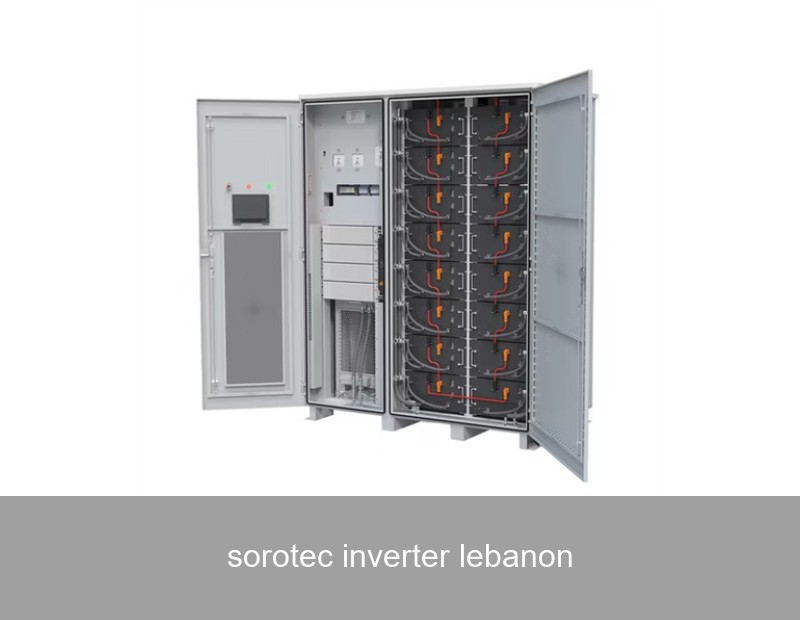
If you're in Lebanon, you don't need us to tell you about the energy crisis. The daily power cuts, the reliance on expensive and polluting diesel generators, and the unpredictable electricity bills are a part of life. But what if there was a way to take control? For many Lebanese homes and businesses, the answer has been a turn towards solar energy. And at the heart of any effective solar power system—especially one designed to provide power when the grid is down—is a critical component: the inverter. This is where solutions like the Sorotec inverter in Lebanon enter the conversation as a beacon of reliability in an unstable energy landscape.
An inverter is the brain of your solar system. It converts the direct current (DC) electricity generated by your solar panels into the alternating current (AC) that powers your appliances. But in a context like Lebanon's, you need more than just a basic converter. You need an inverter that can seamlessly manage solar panels, battery storage, and a generator or grid connection, all while ensuring your essential loads keep running through blackouts. This article will explore how choosing the right inverter technology, exemplified by Sorotec, is pivotal for building a resilient and cost-effective energy independence plan for Lebanese consumers.
Image Source: Unsplash - A reliable solar installation is key to energy independence.
What is a Sorotec Inverter?
Sorotec is a prominent German manufacturer specializing in power conversion and renewable energy technology, particularly known for its robust off-grid and hybrid inverters. Their products are engineered for durability and performance, which is precisely why they have gained traction in markets facing grid instability, like Lebanon. Unlike simple grid-tie inverters that shut off during a blackout (a safety feature called anti-islanding), Sorotec's hybrid inverters are designed to keep operating.
Think of it as an intelligent energy manager. A Sorotec hybrid inverter for a Lebanese application typically integrates multiple power sources:
- Solar PV Array: Your primary energy source during sunny hours.
- Battery Bank: Stores excess solar energy for use at night or during prolonged outages.
- Backup Generator/Diesel Genset: Automatically starts if batteries are low, ensuring an uninterrupted power supply.
- Unstable Grid: Can charge batteries when grid power is available and solar is insufficient, often prioritizing the cheapest source.
This multi-faceted management is what makes it a cornerstone for solar energy solutions in Lebanon.
Why Sorotec Stands Out for Lebanon's Unique Conditions
Not all inverters are built for the harsh realities of the Lebanese energy environment. Sorotec models often come with features that address specific local pain points.
- Wide Input Voltage Range: They can handle the severe voltage fluctuations common in the Lebanese grid, protecting your connected appliances from damage.
- High Surge Power: Essential for starting motor-driven appliances like water pumps, air conditioners, and refrigerators, which have high initial power demands.
- Robust Build Quality: As a German-engineered product, they are built to last, offering reliability that is crucial when you depend on your system for daily electricity.
- Flexible Configuration: They can be easily programmed to prioritize solar consumption, minimize generator runtime (saving on diesel costs), and ensure battery health.
According to a World Bank report on Lebanon's electricity sector, households and businesses spend billions annually on private generator subscriptions and fuel. A correctly sized system with a capable inverter like Sorotec can drastically reduce or even eliminate this dependency.
Real-World Case Study: Beirut Residential Complex
Let's look at tangible data. A 12-apartment residential complex in the Ashrafieh district of Beirut decided to end its reliance on the expensive neighborhood generator. In 2022, they installed a 45 kW solar PV system paired with a 60 kWh lithium-ion battery storage bank. The core of this system was a set of parallel Sorotec 10 kW hybrid inverters.
| Metric | Before Installation | After Installation (First Year) |
|---|---|---|
| Monthly Energy Cost | ~$3,000 (Grid + Generator) | ~$450 (Grid for occasional top-up) |
| Average Daily Power Coverage | 8-12 hours from grid, supplemented by generator | 22-24 hours from solar + storage |
| Generator Runtime | 8-10 hours/day | < 2 hours/month (only during rare extended cloudy periods) |
| CO2 Emissions Reduction | Baseline | Estimated 18 tonnes annually |
The system was configured to use solar power first, charge the batteries, and only use the grid as a last resort. The Sorotec inverters' precise battery management ensured longevity, while their seamless switching capability meant residents often didn't even notice when the public grid cut out. The project's payback period was calculated at under 4 years—a compelling investment given the ongoing crisis.
Beyond the Inverter: The Highjoule Advantage for Lebanon
While the inverter is the command center, it's only as good as the ecosystem it manages. This is where partnering with a global system provider like Highjoule makes a significant difference. Since 2005, Highjoule has been designing integrated energy solutions that go beyond just selling components.
For our clients in Lebanon and across challenging energy markets, we provide Highjoule's Intelligent Energy Storage Systems (H-IESS). These are pre-engineered, plug-and-play solutions that combine high-efficiency battery modules (using LiFePO4 chemistry for safety and long life), advanced battery management systems (BMS), and compatibility with leading hybrid inverters like Sorotec. Our systems are designed for scalability, allowing homeowners or businesses to start with a core system and expand capacity as needs grow.
Our value lies in system integration and smart control. The Highjoule energy management software optimizes every kilowatt-hour: it learns consumption patterns, forecasts solar production, and decides the most economical moment to charge from the grid or discharge the battery. For a Lebanese user, this means maximizing solar self-consumption, minimizing generator fuel costs, and protecting equipment from grid anomalies.

Image Source: Unsplash - Integrated battery storage is the key to 24/7 solar power.
Key Components for a Lebanese Solar+Storage System
- Hybrid Inverter (e.g., Sorotec): The multi-source manager and DC-AC converter.
- Solar Panels: High-efficiency monocrystalline panels are recommended for limited roof space.
- Battery Storage (e.g., Highjoule H-IESS): Provides energy autonomy during outages and at night. LiFePO4 batteries are ideal due to their stability and 6000+ cycle life.
- Energy Management System: The software intelligence that ties everything together for optimal performance and cost savings.
- Professional Installation & Commissioning: Perhaps the most critical step. Proper sizing, wiring, and configuration are non-negotiable for safety and performance.
Making the Switch: What to Consider for Your Lebanese Property
Investing in a solar and storage system is a major decision. Here’s a quick guide to getting started:
- Audit Your Consumption: Analyze your electricity bills and generator invoices. How many kWh do you use daily? What are your critical loads?
- Consult with a Certified Integrator: Work with a local installer experienced with hybrid systems and Sorotec or similar inverters. They can conduct a site survey and design a system tailored to your roof space, budget, and energy goals.
- Prioritize System Integration: Ensure the proposed components (inverter, batteries, panels) are compatible and can communicate effectively. This is where a unified solution like Highjoule's reduces complexity.
- Plan for the Future: Consider if you might want to add an electric vehicle charger or expand your home. Design a system that can scale.
For more on global best practices in decentralized energy, the International Renewable Energy Agency (IRENA) provides extensive resources.
The journey to energy independence in Lebanon is not just about buying equipment; it's about investing in a smarter, more resilient way to power your life. The right Sorotec inverter in Lebanon, coupled with a robust storage solution like Highjoule's, transforms solar power from a daytime supplement into a comprehensive 24/7 power station for your home or business.
What would you power first if you could guarantee your own reliable, clean electricity tomorrow?
 Inquiry
 Online Chat