


Demystifying Solar Panels Calgary Cost: Your Investment in Energy Independence
If you're a Calgary homeowner, you've felt the pinch of fluctuating energy bills and heard the buzz about solar power. The most pressing question isn't whether solar works in our sunny, snowy climate—it does, remarkably well—but rather, "What is the real solar panels Calgary cost?" The answer is more encouraging than you might think. Moving beyond a simple sticker price, the true cost of solar is better understood as an investment with a measurable return, transforming your roof from a passive shield into an active, money-generating asset. With federal and provincial incentives, advancing technology, and rising electricity rates, the economics of solar in Calgary have never been more compelling. Let's peel back the layers on the upfront costs, long-term savings, and how pairing your system with intelligent storage, like solutions from Highjoule, can unlock complete energy resilience.
The 2024 Solar Panel Cost Breakdown for Calgary Homes
The total cost of a residential solar system in Calgary is influenced by several key factors. It's not a one-size-fits-all product, but a tailored solution based on your energy consumption, roof characteristics, and chosen technology. On average, a typical 7kW system, which suits many Alberta households, can range significantly before incentives.
| System Size | Average Gross Cost Range (CAD) | Estimated Annual Production | Typical Home Size |
|---|---|---|---|
| 5 kW | $12,000 - $16,000 | ~6,000 kWh | Small to medium |
| 7 kW | $16,500 - $21,000 | ~8,400 kWh | Medium family home |
| 10 kW | $22,000 - $28,000 | ~12,000 kWh | Large home or high consumption |
Note: Prices are indicative and vary based on component quality, installation complexity, and market factors.
This gross cost is dramatically reduced by available incentives. The Canada Greener Homes Grant offers up to $5,000 in federal grants, and the interest-free Canada Greener Homes Loan provides up to $40,000 for repayments over 10 years. Combined, these initiatives can bring the effective net investment down substantially.
But here's a crucial insight: the cheapest system per watt is not always the best value over 25+ years. Component quality matters immensely. This is where expertise from a global provider like Highjoule adds distinct value. While Highjoule is renowned for large-scale commercial and microgrid storage, our deep expertise in system integration informs our approach: a solar installation is only as robust as its weakest component. We advocate for high-efficiency, durable panels and professional installation that can withstand Calgary's hail, snow loads, and temperature swings—factors that protect your investment's longevity and performance.
Key Cost Components
- Equipment (Panels, Inverter, Racking): ~50-60% of cost. Premium panels with higher efficiency may cost more but produce more energy in limited space.
- Installation & Labour: ~20-30%. Certified, experienced installers ensure safety, code compliance, and optimal performance.
- Permits, Fees, and Interconnection: ~10-15%. Necessary for legal grid connection and insurance.
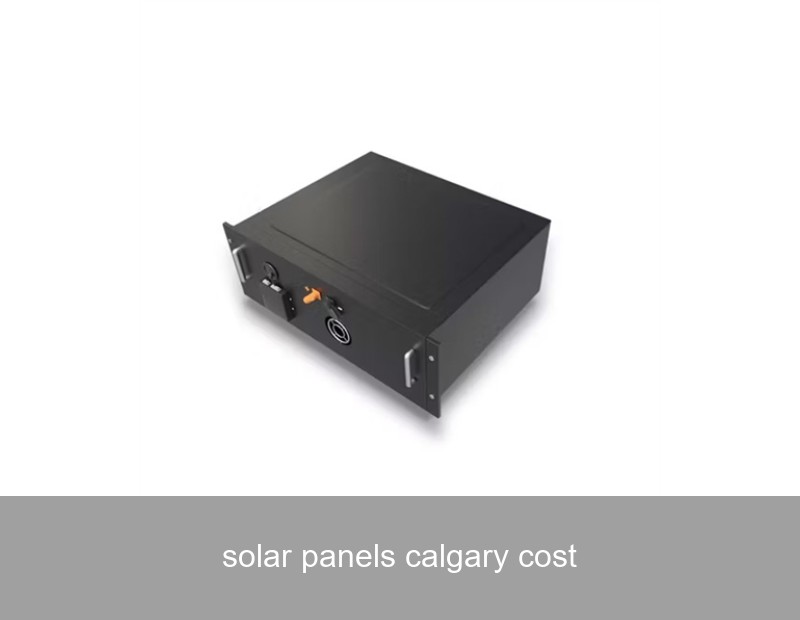
- Optional Energy Storage (Battery): A significant but valuable addition. This is Highjoule's core mastery. Our EverFlow Home battery storage systems allow you to store excess solar energy for use at night or during grid outages, maximizing self-consumption and providing peace of mind.
Beyond the Price Tag: How to Maximize Your Solar Investment
Viewing solar through the lens of total cost of ownership shifts the conversation from expense to asset. The key metric is your simple payback period—the time it takes for your cumulative energy savings to equal your net investment. In Calgary, with good sun exposure and current electricity rates, this period often falls between 8 to 12 years. Given systems are warrantied for 25+ years, you're looking at over a decade of virtually free electricity.
To maximize value, consider these strategies:
- Right-Sizing Your System: Analyze your past year's utility bills. A good installer will design a system to offset 80-100% of your usage, avoiding oversizing which yields lower returns under Alberta's micro-generation rules.
- Focus on Consumption, Not Just Generation: The first step is always energy efficiency. Sealing drafts, upgrading insulation, and using efficient appliances reduce the system size you need to buy.
- Plan for Storage from the Start: Even if you don't install a battery immediately, designing your solar system to be "storage-ready" is a wise move. Highjoule's EverFlow Home systems are designed for seamless AC or DC coupling with new or existing solar arrays, allowing for easy future expansion. This foresight protects your initial investment and makes adding storage down the line simple and cost-effective.

Image Source: Unsplash - Solar panels are effective and durable in diverse climates, including Calgary's winters.
A Real-World Calgary Case Study: From Bill Shock to Energy Independence
Let's move from theory to practice. Consider the real example of the Thompson family in Calgary's Coventry Hills community (name changed for privacy). Facing average monthly electricity bills of $180 and a desire for greater energy security, they invested in a 8.2kW solar system in early 2023.
- Gross System Cost: $23,500
- Canada Greener Homes Grant: -$5,000
- Net Investment: $18,500
- System Production: Estimated 9,200 kWh annually (monitored data shows it's on track).
- Annual Savings (at ~$0.16/kWh): ~$1,472
- Simple Payback Period: ~12.5 years.
But their story evolved. After experiencing a brief grid outage, they decided to enhance their system. Six months later, they integrated a Highjoule EverFlow Home 10 battery (10kWh capacity). This addition allowed them to store excess daytime production and use it in the evening peak, increasing their self-consumption from 30% to over 80%. While this added to the initial investment, it effectively shielded them from future rate increases and provided whole-home backup for essential loads. Their "utility bill" now consists mostly of fixed distribution charges for the few times they draw from the grid in deep winter. You can explore the framework for such micro-generation in Alberta on the AESO Micro-generation page.
Future-Proofing Your Investment: The Smart Storage Advantage
Solar panels are a fantastic first step, but the true modern energy system is integrated. Think of solar as your new power generator, and a battery like Highjoule's EverFlow Home as your personal energy bank. This combination addresses the intermittent nature of solar and turns your home into a resilient microgrid.
For Calgary homeowners, this is particularly relevant. Our winters have shorter days, but they're often brilliantly sunny. A battery allows you to capture that precious midday winter sun and use it to power your home through the long, cold evening. Furthermore, with the increasing frequency of extreme weather events, having a reliable backup power source is transitioning from a luxury to a practical consideration for home resilience. Highjoule's systems are built on lithium iron phosphate (LFP) chemistry, known for its exceptional safety, long cycle life, and stable performance across Calgary's wide temperature range—a critical consideration often overlooked in battery selection.

Image Source: Unsplash - Modern home battery systems like Highjoule's EverFlow are compact, safe, and designed for seamless home integration.
The financial case for storage is also strengthening. While it extends the payback period, it drastically increases your energy independence. You avoid buying power at high evening rates and protect yourself against inevitable future electricity price hikes. Some jurisdictions are moving towards time-of-use rates; a solar-plus-storage system makes you immune to such pricing structures. For a deeper look at storage technology, the U.S. Department of Energy's energy storage explainer is an excellent resource.
Is Your Roof Ready for a Solar Transformation?
The conversation about solar panels Calgary cost ultimately leads to a more profound question about the future of your home and your energy. It's an investment that pays dividends in monthly savings, increased property value, and the intangible satisfaction of reducing your carbon footprint with every sunrise. The technology is proven, the incentives are in place, and the long-term economics are clear.
As you contemplate this decision, ask yourself: What is the true cost of not taking control of your energy future? With companies like Highjoule bringing global expertise in smart, integrated storage to the residential market, the path to a resilient, efficient, and self-sufficient home is more accessible than ever. What would you power first with your own clean, reliable energy?
 Inquiry
 Online Chat