


Solar Photovoltaic Energy Systems: Powering a Sustainable Future, Today
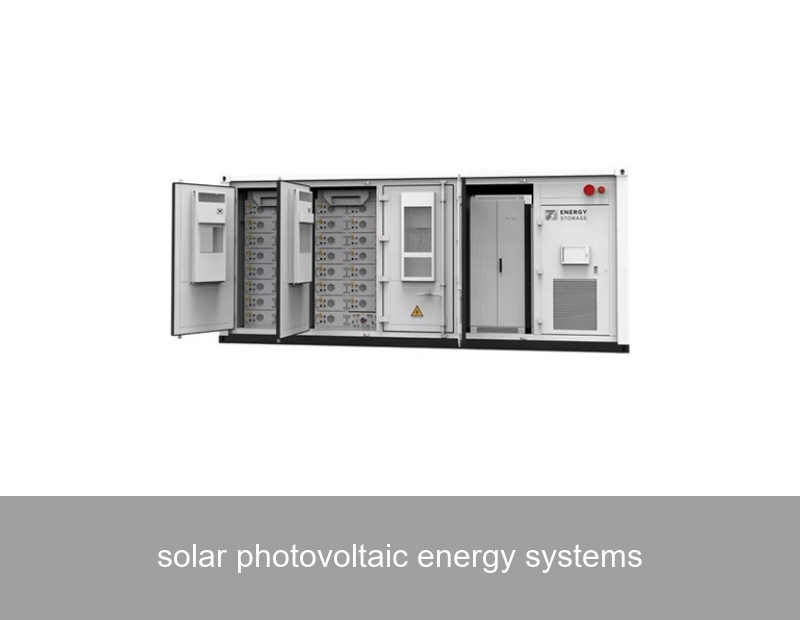
You’ve seen them gleaming on rooftops and sprawling across fields: solar photovoltaic energy systems are transforming how we generate electricity. But what happens when the sun sets? The true potential of solar power isn't just in capturing sunlight—it's in harnessing it reliably, 24/7. For homeowners and businesses across Europe and the U.S., this shift from intermittent source to primary power requires one critical component: intelligent energy storage. This is where the conversation evolves from simply generating green energy to building a resilient, efficient, and truly sustainable energy ecosystem.
Table of Contents
The Phenomenon: More Than Just Panels
For years, the focus for adopters of solar photovoltaic energy systems was primarily on the panels themselves—maximizing kilowatt-peak (kWp) ratings and ensuring optimal tilt. However, a significant challenge persists: the duck curve. This term, coined by grid operators in California, describes the sharp drop in net electricity demand during sunny afternoons when solar floods the grid, followed by a steep ramp-up in demand as the sun sets. This phenomenon creates grid instability and can lead to curtailment (wasting) of perfectly good solar energy. The modern energy consumer is now asking, "How do I use my solar power, on my terms?" The answer lies not in generating more, but in storing and managing smarter.
The Data: The Grid's New Reality
The numbers paint a clear picture of both the opportunity and the challenge. According to the International Energy Agency (IEA), solar PV is on track to become the largest source of installed power capacity globally by 2027. In the U.S., the Solar Energy Industries Association (SEIA) reports that the residential solar-plus-storage attachment rate now exceeds 50% in key markets like California and Hawaii. In Europe, driven by both energy security concerns and climate goals, the demand for integrated systems is skyrocketing. Yet, the efficiency of a solar photovoltaic energy system is no longer measured just by panel output. The key metric is self-consumption rate—the percentage of solar energy you produce and actually use onsite. Without storage, this rate typically caps at 30-50%. With a high-performance battery storage system, it can soar to 70% or even higher, fundamentally changing the economics and impact of your solar investment.

Image Source: Unsplash - A modern home solar PV system with integrated battery storage.
The Case Study: A German Manufacturing Plant's Journey to 90% Energy Autonomy
Let's look at a real-world example from Bavaria, Germany. A mid-sized automotive parts manufacturer installed a 500 kWp rooftop solar photovoltaic energy system in 2019. Initially, they were exporting over 60% of their midday production back to the grid at low feed-in tariffs, while purchasing expensive peak-power in the early mornings and evenings. Their self-consumption was a mere 38%.
In 2022, they partnered with Highjoule to integrate a bespoke industrial-scale battery energy storage system (BESS). The system features Highjoule's HJ-Stack I200 modular battery units, with a total capacity of 600 kWh, managed by Highjoule's proprietary Adaptive Grid OS (AG-OS) software. The results after one year were transformative:
| Metric | Before Highjoule BESS | After Highjoule BESS |
|---|---|---|
| Onsite Self-Consumption | 38% | 92% |
| Grid Power Draw During Peak Hours | 100% (Reliant) | ~10% (Backup Only) |
| Monthly Energy Cost Savings | Baseline | €8,400 |
| Grid Services Revenue (Frequency Regulation) | €0 | €1,200 (approx.) |
The AG-OS intelligently decides when to store solar energy, when to power the facility, and when to dispatch small amounts of power to the grid for stability services—all automated based on weather forecasts, production schedules, and real-time electricity prices. This case exemplifies the evolution from a passive solar array to an active, intelligent energy asset.
The Insight: System Intelligence is Key
The German case study underscores a vital insight: the core value of a modern solar photovoltaic energy system is shifting from hardware to system intelligence. The battery is the muscle, but the energy management system (EMS) is the brain. An advanced EMS like Highjoule's AG-OS enables:
- Predictive Optimization: Using AI and weather data to forecast solar production and load demand.
- Multi-Mode Operation: Seamlessly switching between backup power, cost-saving arbitrage, and grid-support modes.
- Longevity Assurance: Actively managing battery charge/discharge cycles to maximize the system's lifespan, often beyond its warranty period.
This intelligence is what transforms a capital expenditure into a dynamic, revenue-protecting investment. It's the difference between having a battery and having a smart energy partner.
Beyond the Battery: The Highjoule Approach
Since 2005, Highjoule has been at the forefront of this intelligent energy shift. We understand that a successful solar photovoltaic energy system is an integrated ecosystem. Our solutions are designed to be the perfect complement to solar PV, maximizing its value for residential, commercial, and microgrid applications. For the homeowner, our HJ-Residential Series offers scalable storage with seamless inverter compatibility and an intuitive app that puts energy independence at your fingertips. For businesses and industries, our HJ-Stack Commercial & Industrial (C&I) modular systems provide robust, safe, and financeable storage solutions that deliver predictable ROI. And for ultimate resilience, our Microgrid Controllers can island your facility from the grid, allowing your solar and storage to operate independently during outages.
Our philosophy is simple: provide the technology that lets you generate, store, and manage your own clean energy with uncompromising reliability and intelligence.
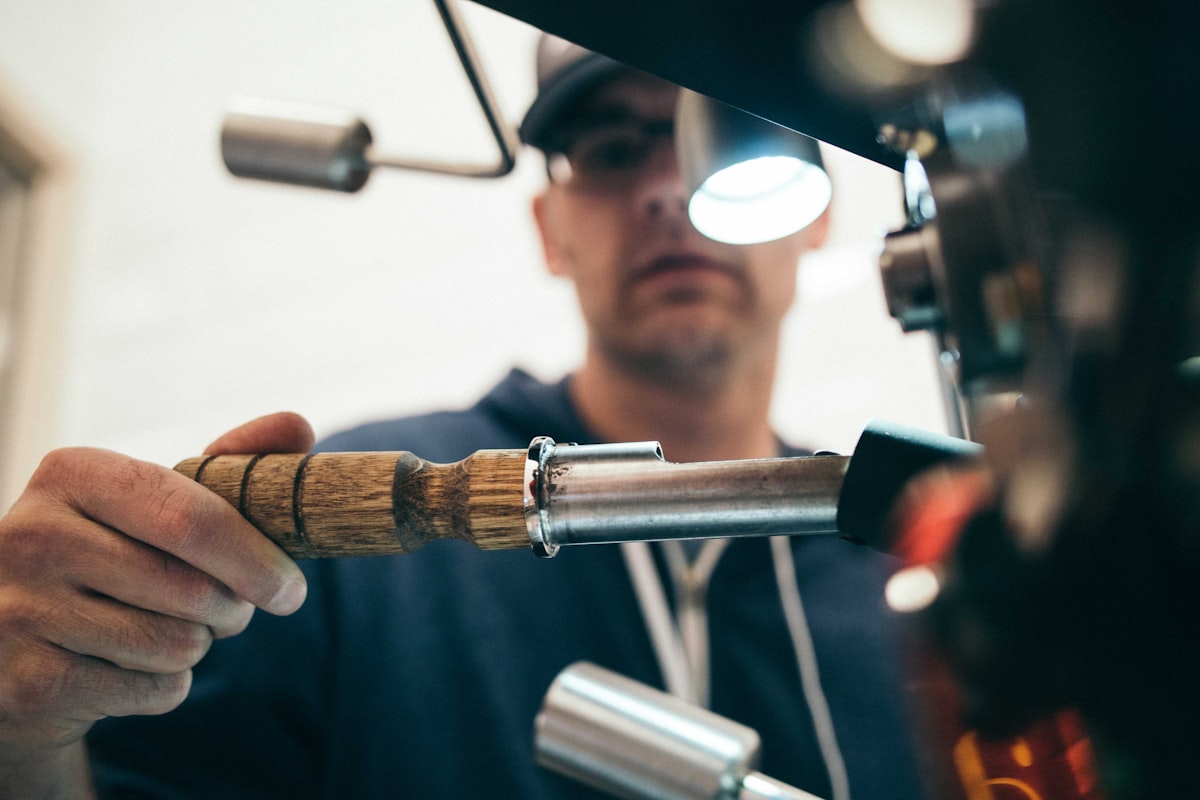
Image Source: Unsplash - A technician inspecting a containerized battery energy storage system for industrial use.
Core Components of a Future-Ready Solar PV System
To fully leverage the sun's potential, a modern system extends far beyond the array. Here are the essential components:
- Solar Photovoltaic (PV) Panels: The primary generation asset. Monocrystalline panels are currently the efficiency leaders.
- Inverter(s): Converts DC electricity from the panels to usable AC electricity. Hybrid inverters are now standard for storage-ready systems.
- Battery Energy Storage System (BESS): The heart of energy independence. Look for systems with high cycle life, depth of discharge (DoD), and thermal management safety. Highjoule's systems use lithium iron phosphate (LFP) chemistry, renowned for its safety and longevity.
- Energy Management System (EMS): The system's brain. This software platform controls energy flow, optimizes for economics, and provides user insights.
- System Integration & Monitoring: Professional design, installation, and a clear monitoring portal are non-negotiable for performance and safety. Highjoule works with a certified network of installers to ensure this.
Your Energy Future: A Question of Resilience
The journey toward a sustainable, cost-effective energy future is no longer just about choosing solar panels. It's about designing an intelligent system that empowers you. With volatile energy prices and increasing grid instability, the question for homeowners and business leaders in Europe and North America is shifting. It's no longer "Should I get solar?" but rather, "How can I design my solar photovoltaic energy system to ensure resilience, maximize my investment, and take true control of my power?"
What is the first step you will take to move from being a passive consumer to an active producer and manager of your own clean energy?
 Inquiry
 Online Chat