


Understanding Solar Power Types of Systems for Homes and Businesses
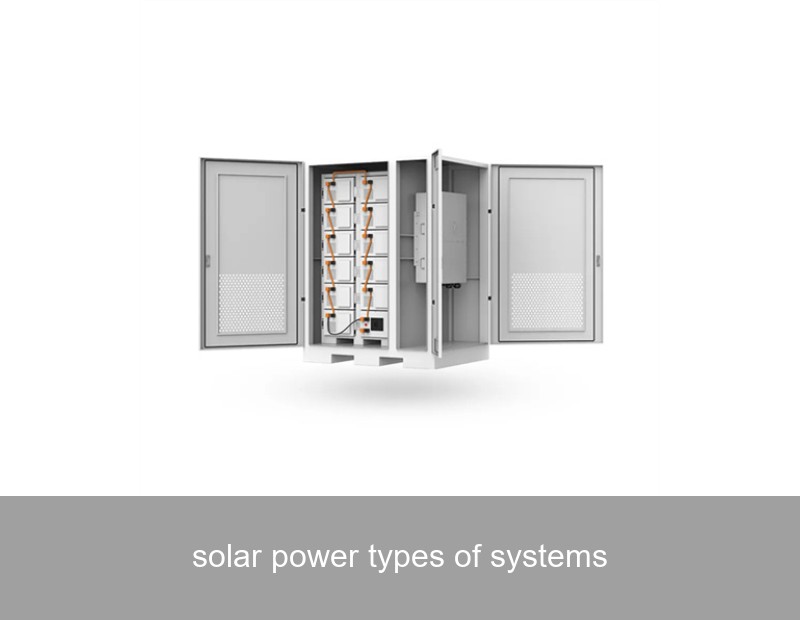
So, you're thinking about harnessing the sun. Excellent choice. But as you start your research, you quickly realize that "solar power" isn't a one-size-fits-all solution. The different solar power types of systems—grid-tied, off-grid, and hybrid—each serve distinct needs and offer unique benefits. Choosing the right one is crucial for maximizing your energy independence, resilience, and financial return. This guide will demystify these systems, using real-world data and examples, to help you make an informed decision for your home or business, especially in markets like Europe and the U.S. where energy dynamics are rapidly evolving.
Table of Contents
- The Phenomenon: From Simple Panels to Intelligent Energy Hubs
- The Three Pillars: Core Solar Power System Types
- Data Drives the Decision: Why Hybrid is Gaining Traction
- Case Study: A U.S. Manufacturing Plant's Journey to Resilience
- Expert Insights: Matching System Type to Your Goals
- The Highjoule Role: Smart Storage for Any System
The Phenomenon: From Simple Panels to Intelligent Energy Hubs
A decade ago, solar was largely about installing panels, reducing your electricity bill, and maybe feeling good about your green contribution. Today, it's transformed. Volatile energy prices, increasing grid instability, and a growing desire for true energy self-sufficiency have reshaped the market. The conversation has shifted from just "solar panels" to integrated solar power types of systems that include intelligent energy management and storage. It's no longer just about generation; it's about control.

Credit: Photo by Vivint Solar on Unsplash
The Three Pillars: Core Solar Power System Types
Let's break down the three fundamental architectures. Think of this as choosing the drivetrain for your car: front-wheel drive, all-wheel drive, or a dedicated off-road vehicle.
Grid-Tied Solar Systems
The most common type, especially in urban and suburban areas. These systems are connected to the public electricity grid.
- How it Works: Your solar panels generate DC electricity, which an inverter converts to AC for your home. Excess power is fed back to the grid, often earning you credits through net metering. When your panels aren't producing enough (at night), you draw power from the grid.
- Best For: Properties with reliable grid access, where the primary goal is to offset electricity costs and take advantage of net metering policies.
- The Limitation: A safety feature means they shut down during a grid outage. You have sun, but no power—a frustrating reality during blackouts.
Off-Grid Solar Systems
These are completely independent from the utility grid. They are self-contained energy islands.
- How it Works: Solar panels charge a large battery bank. All home electricity is drawn from these batteries, which are managed by a charge controller. A backup generator is often included for prolonged cloudy periods.
- Best For: Remote cabins, rural properties where grid connection is prohibitively expensive, or those seeking ultimate energy independence.
- The Consideration: Requires significant upfront investment in oversized solar arrays and large battery capacity to weather periods of low sun, and demands careful energy consumption management.
Hybrid Solar + Storage Systems (The Best of Both Worlds)
This is the fastest-growing segment in markets like California, Germany, and Australia. A hybrid system combines solar panels with a battery storage system, while remaining connected to the grid.
- How it Works: Solar power first serves your home's immediate needs. Any excess, instead of being sent straight to the grid, charges your home battery. Once the battery is full, excess can go to the grid. When the sun sets, you power your home from the battery, only drawing from the grid once the battery is depleted.
- Superpower: With the right inverter technology, most hybrid systems can provide backup power during grid outages, seamlessly islanding your home.
- Best For: Homeowners and businesses seeking bill savings, increased self-consumption of solar energy, backup power, and a future-proof investment as energy markets shift.
Data Drives the Decision: Why Hybrid is Gaining Traction
The trend is unmistakable. According to the International Energy Agency (IEA), global solar PV capacity is set to dominate renewable expansion. But the real story is in storage attachment rates. In the U.S., for example, the Solar Energy Industries Association (SEIA) reports that the residential storage attachment rate has surged from under 10% a few years ago to nearly 30% in key markets like California in 2023. Why? Two key drivers:
- Economics: As net metering policies become less favorable (like the NEM 3.0 in California), storing your solar energy for use later in the evening becomes more financially advantageous than selling it cheaply to the grid.
- Resilience: With the increasing frequency of extreme weather events causing power outages—from winter storms in Texas to wildfires in the West—backup power is no longer a luxury but a priority for many.
Case Study: A U.S. Manufacturing Plant's Journey to Resilience
Consider "Precision Fabricators Inc.," a mid-sized manufacturing plant in Ohio (name changed for privacy). Their challenges were classic: high, unpredictable energy demand charges, a need for uninterrupted operation, and corporate sustainability targets.
- Phenomenon: Spikes in energy usage during heavy machinery cycles led to punitive demand charges from the utility.
- Action: They installed a 500 kW rooftop solar array coupled with a 750 kWh Highjoule Industrial Battery Energy Storage System (BESS).
- System Type: A commercial-scale hybrid system.
- Data & Results:
Metric Before System After System (Annual) Grid Energy Consumption 100% Baseline Reduced by 65% Peak Demand Charges Consistently High Reduced by 40% CO2 Emissions ~450 metric tons Reduced by ~300 metric tons Grid Outage Impact Full Production Halt Critical loads can run for 4+ hours
The Highjoule BESS, with its advanced energy management software, was programmed to discharge strategically during the plant's predictable peak demand windows, shaving those costly peaks. The solar array covers the bulk of the baseload. This synergy turned their energy cost from a variable liability into a managed, optimized asset.

Credit: Photo by American Public Power Association on Unsplash
Expert Insights: Matching System Type to Your Goals
As a technical expert, my advice is to start with your "energy why."
- Is your primary driver financial ROI? In a region with strong net metering, a simple grid-tied system might offer the fastest payback. But run the numbers as policies change.
- Is it uninterruptible power for a home office, medical equipment, or business continuity? Then a hybrid system with sufficient battery capacity is non-negotiable.
- Is it true independence in a remote location? An off-grid system is your only choice, but design it with a generous safety margin.
Remember, the "brain" of a hybrid or off-grid system—the inverter and energy management system—is as important as the "muscle" (panels and batteries). It needs to orchestrate energy flows intelligently, efficiently, and safely.
The Highjoule Role: Smart Storage for Any System
This is where Highjoule's expertise becomes pivotal. While we are a global leader in complete, advanced battery storage solutions, our technology is particularly transformative for hybrid systems. Founded in 2005, we've dedicated nearly two decades to perfecting intelligent, safe, and durable storage.
For the homeowner, our Highjoule Home Energy Vault is a sleek, wall-mounted unit that seamlessly integrates with most solar inverters. Its proprietary Adaptive Learning software doesn't just store energy; it learns your consumption patterns, weather forecasts, and utility rate schedules (like time-of-use rates common in Europe and the U.S.) to autonomously optimize when to charge and discharge, maximizing your savings and readiness for an outage.
For commercial and industrial clients, like our case study, our modular Highjoule BESS platforms offer scalable power and capacity. They can be configured for peak shaving, demand charge management, renewable firming, and of course, backup power. Our systems are designed with a multi-layered safety architecture, a critical consideration that goes beyond datasheet specs.
Whether you're leaning towards a grid-tied system with future-ready wiring, a full off-grid setup, or a robust hybrid solution, Highjoule provides the storage intelligence that elevates your solar investment from a simple generator to a resilient, money-saving, and grid-supportive asset.

Credit: Photo by Kindel Media on Pexels
Given the rapid evolution of energy markets and technology, which factor—cost savings, energy independence, or environmental impact—is most critical in shaping your final decision on a solar power system for your property?
 Inquiry
 Online Chat