


Solar Powered Shipping Containers: The Mobile, Sustainable Power Solution
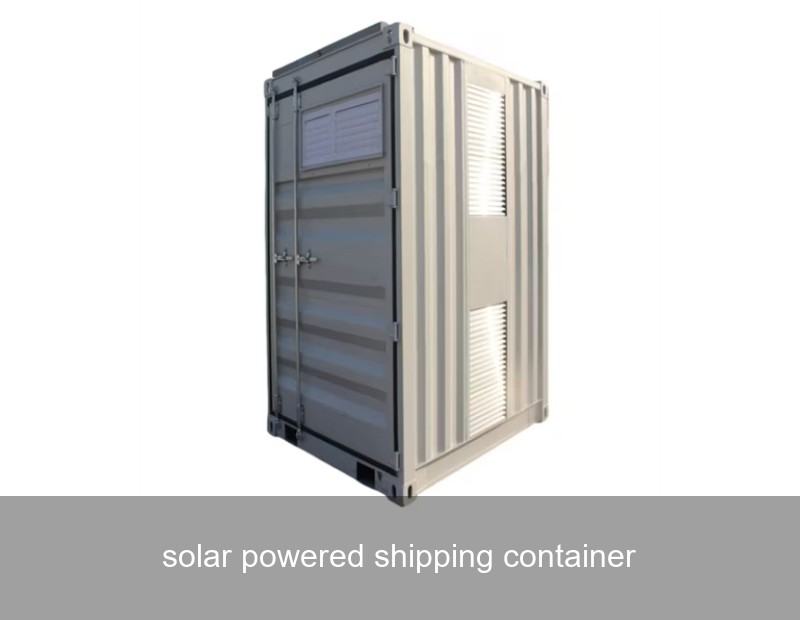
Imagine having a reliable, clean power source that you can drop anywhere in the world, from a remote construction site to a disaster relief zone, and have it operational in hours. This isn't futuristic speculation; it's the practical reality of solar powered shipping containers. These innovative units are revolutionizing how we think about temporary, off-grid, and emergency power by merging the rugged portability of standard ISO containers with the silent, renewable energy of photovoltaics. For businesses and communities across Europe and the US, they represent a powerful step towards energy independence and operational resilience, reducing both diesel dependency and carbon footprints. As a leader in advanced energy storage, Highjoule is at the forefront of integrating intelligent battery systems into these mobile power hubs, making them smarter, more efficient, and truly sustainable.
Table of Contents
- What is a Solar Powered Shipping Container?
- Why the Market is Shifting Towards Mobile Solar Power
- Key Components of an Effective System
- A Real-World Case Study: Powering a European Construction Site
- Highjoule's Role: The Intelligence Inside the Container
- Diverse Applications Across Industries
- Key Considerations Before Deployment
What is a Solar Powered Shipping Container?
At its core, a solar powered shipping container is a modified, standard-sized ISO shipping container (typically 20ft or 40ft) transformed into a self-contained power generation and storage station. The roof is outfitted with an array of robust, weather-resistant solar panels. Inside, the container houses the critical components: photovoltaic (PV) inverters, a sophisticated battery energy storage system (BESS), charge controllers, and often a backup power management system. This integrated design ensures that solar energy captured during the day is stored for use at night or during periods of low sunlight, providing 24/7 power.
The genius lies in its standardization and mobility. Because it's built within a standard container frame, it can be easily transported by truck, ship, or rail to virtually any location. Once on-site, it requires minimal setup—just level the container, angle the solar panels (if using a tracking or tilt system), and connect to your load. It's a true "plug-and-play" power plant.

Image Source: Unsplash - A representative example of a container-based solar installation.
Why the Market is Shifting Towards Mobile Solar Power
The demand for these solutions isn't happening in a vacuum. It's driven by a powerful convergence of economic, regulatory, and environmental factors. Let's break down the "why now."
The Phenomenon: The High Cost and Hassle of Temporary Power
Traditionally, temporary power for events, construction, or remote operations meant one thing: diesel generators. While effective, they come with significant drawbacks—constant fuel deliveries, noise pollution, exhaust fumes, and substantial operating costs subject to volatile fuel prices. Furthermore, tightening environmental regulations, particularly in the European Union and states like California, are imposing stricter limits on emissions from fossil fuel generators.
The Data: Economics and Emissions
The numbers tell a compelling story. According to the International Energy Agency (IEA), solar PV is now the cheapest source of electricity in history for many parts of the world. When you combine this with the long-term cost stability of "free" sunlight, the total cost of ownership for a solar container can be lower than continuously renting and refueling diesel gensets over a project lifespan of 2-3 years. A study by the U.S. National Renewable Energy Laboratory (NREL) highlighted that hybrid solar-plus-storage systems for microgrids can reduce fuel consumption by over 50% compared to generators alone.
| Power Source | Key Advantage | Key Challenge |
|---|---|---|
| Diesel Generator | High power density, easy deployment | Ongoing fuel cost, emissions, noise, maintenance |
| Solar Powered Container | Zero-fuel cost, silent, zero emissions, low maintenance | Higher upfront capital cost, weather-dependent |
This economic crossover point, paired with societal pressure for greener operations, is accelerating adoption.
Key Components of an Effective System
Not all solar containers are created equal. Their performance and reliability hinge on the quality and integration of their core subsystems:
- Solar PV Array: High-efficiency, durable panels mounted on the roof, often with reinforced frames to withstand transit and high winds.
- Battery Energy Storage System (BESS): The heart of the system. This is where Highjoule's expertise becomes critical. Modern systems use Lithium Iron Phosphate (LiFePO4) batteries for their safety, long cycle life (often 6000+ cycles), and wide operating temperature range. The BESS stores excess solar energy for use when the sun isn't shining.
- Power Conversion & Management: This includes inverters (to convert DC solar/battery power to AC for equipment), charge controllers, and most importantly, an advanced Energy Management System (EMS). The EMS is the brain, intelligently deciding when to charge from solar, discharge from batteries, or—if included as a backup—when to briefly activate an integrated standby generator.
- Container & Thermal Management: The container itself must be modified for security, ventilation, and climate control. Batteries and electronics perform best within a stable temperature range, requiring integrated HVAC or passive cooling solutions.
A Real-World Case Study: Powering a European Construction Site
Let's look at a concrete example from Germany. A large infrastructure company was building a new bridge in a rural area with limited grid connection. The project required a consistent 50 kW of power 24 hours a day for welding equipment, lighting, site offices, and machinery charging. The traditional bid was for multiple large diesel generators, requiring weekly fuel deliveries totaling over 2,000 liters of diesel.
The Solar Solution: The company deployed a 40ft solar powered shipping container equipped with:
- 45 kWp of solar panels on the roof and a ground-mounted extension.
- A 120 kWh Highjoule IntelliBESS battery system.
- A hybrid inverter system with a small, silent diesel generator as a backup for prolonged cloudy periods.
The Results (Data from a 12-month period):
- Diesel Fuel Reduction: 85% decrease in fuel consumption. The backup generator ran less than 15% of the time.
- CO2 Emissions Saved: Approximately 48 tonnes of CO2 equivalent were avoided.
- Cost Savings: Despite the higher initial investment, the project saved over €18,000 in fuel and maintenance costs in the first year alone.
- Noise & Community Impact: The site was significantly quieter, improving worker conditions and minimizing disturbance to nearby residents, which helped maintain positive community relations.
This case demonstrates the tangible operational, financial, and environmental benefits of making the switch.

Image Source: Unsplash - Solar power unit at a remote industrial site.
Highjoule's Role: The Intelligence Inside the Container
As a global leader in advanced energy storage since 2005, Highjoule doesn't just supply batteries; we provide the intelligence that makes solar powered containers truly reliable and efficient. Our IntelliBESS platform is specifically engineered for rugged, off-grid applications.
What sets our systems apart in these mobile environments?
- Robust & Safe LiFePO4 Chemistry: Ideal for the variable temperatures and demanding cycles of container use.
- Advanced Battery Management System (BMS): Our proprietary BMS provides cell-level monitoring for maximum safety, longevity, and performance, communicating seamlessly with the container's overall EMS.
- Grid-Flexible Design: For containers that might need to connect to a weak grid or form a microgrid, our systems include grid-forming inverters that can stabilize voltage and frequency—a critical feature for powering sensitive equipment.
- Remote Monitoring & Diagnostics: Via Highjoule's EnergySync Portal, operators can monitor the state of charge, power flows, and system health from anywhere in the world, enabling proactive maintenance and optimizing performance.
For integrators building solar containers, partnering with Highjoule means integrating a proven, smart storage backbone that customers can trust for their most critical remote power needs.
Diverse Applications Across Industries
The versatility of the solar powered shipping container opens up a world of possibilities:
- Construction & Mining: Provide silent, fume-free power for tools, offices, and camps without the logistical headache of fuel.
- Agriculture: Power irrigation systems, cold storage, and processing equipment in fields far from the grid.
- Events & Film Production: Deliver clean, quiet power for festivals, concerts, or remote film sets, enhancing the attendee/crew experience and meeting green event mandates.
- Emergency Response & Disaster Relief: Rapidly deployable units can power field hospitals, communication hubs, and shelters when the central grid is down, often arriving before fuel supply chains are restored.
- Telecommunications: Power remote cell towers reliably, reducing site visits for refueling and expanding network coverage sustainably.
Key Considerations Before Deployment
Thinking about integrating a solar container into your operations? Ask these key questions:
- What is my exact load profile? Understand your peak and average power (kW) and daily energy needs (kWh). This dictates the size of the solar array and battery.
- What is my site's solar resource? The local climate and available sunlight will impact system sizing. A good integrator will analyze this data.
- Do I need 100% solar autonomy, or is a hybrid backup acceptable? For mission-critical, all-weather reliability, a small integrated backup generator can be a cost-effective insurance policy, keeping the system size (and cost) reasonable.
- Who will provide long-term service and support? Choose a technology partner, like Highjoule, with a global network and proven track record in remote monitoring and support.
The transition to mobile, renewable power is more than a trend; it's a smart business and environmental strategy. Solar powered shipping containers offer a tangible, scalable way to cut costs, reduce emissions, and achieve energy resilience. As you contemplate your next temporary or remote power project, what single operational challenge—be it cost, noise, or carbon—could a self-contained solar solution solve for you?
 Inquiry
 Online Chat