


Unlocking Energy Independence: The Power and Potential of the Solon Energy Storage Cabinet
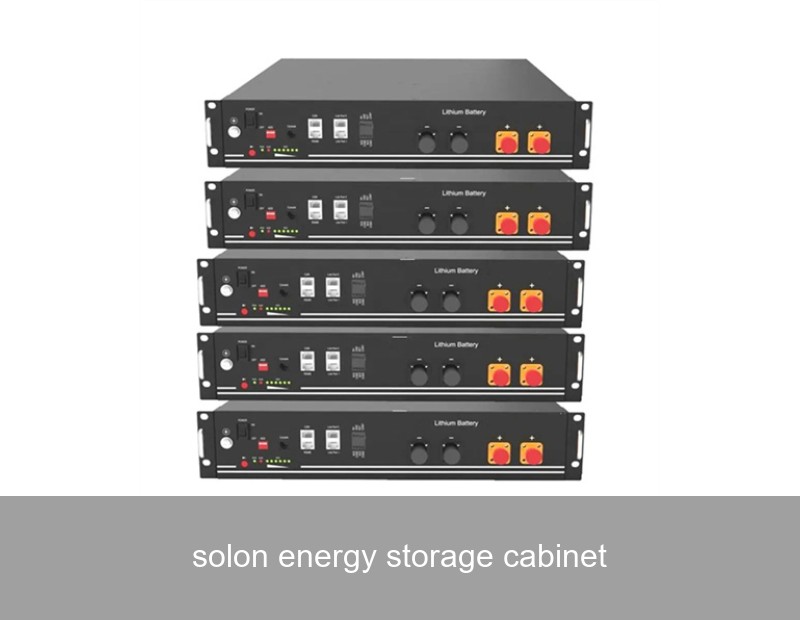
Have you ever watched your electricity meter spin wildly on a cloudy afternoon or wondered how to make the most of those bright, sunny hours when your solar panels are working overtime? You're not alone. Across Europe and the US, homeowners and businesses are generating more clean energy than ever, but face a common hurdle: energy timing. This is where the modern Solon energy storage cabinet comes in, transforming solar from an intermittent source into a reliable, 24/7 power solution. Let's explore how this technology is reshaping our relationship with energy.
Table of Contents
The Challenge: When the Sun Doesn't Shine
The phenomenon is clear: solar panels produce abundant energy during peak daylight, often exceeding immediate needs. Conversely, energy demand typically spikes in the early morning and evening when solar generation is low. This mismatch forces reliance on the traditional grid, often powered by fossil fuels during peak times, and results in wasted solar potential.
Data from the U.S. Department of Energy highlights that while solar capacity has skyrocketed, the "duck curve" – a graph showing the timing imbalance between solar supply and electricity demand – deepens each year. This creates grid instability and missed financial opportunities for prosumers.
What is a Solon Energy Storage Cabinet?
Think of a Solon energy storage cabinet not just as a big battery, but as the intelligent heart of your personal energy ecosystem. It's a compact, all-in-one unit that securely houses advanced lithium-ion battery modules, a battery management system (BMS), thermal controls, and safety mechanisms. Its primary job is to store surplus solar energy generated during the day for use at night, during outages, or during periods of high grid electricity costs.

Image Source: Unsplash - A modern energy storage system integrated into a home.
Key Components and How It Works
A high-quality storage cabinet is an engineering marvel. Here’s what’s inside:
- Battery Modules: Typically Lithium Iron Phosphate (LFP) chemistry, known for long life, safety, and stability.
- Battery Management System (BMS): The "brain" that monitors cell voltage, temperature, and state of charge to ensure optimal performance and safety.
- Power Conversion System (PCS): Includes an inverter/charger that converts DC electricity from the batteries to AC for your home and vice versa.
- Thermal Management: A crucial cooling/heating system to keep batteries at their ideal operating temperature, extending lifespan.
- Safety Enclosure: A robust, fire-resistant cabinet designed for indoor or outdoor installation.
The process is elegantly simple: Your solar panels feed excess DC electricity to the cabinet for storage. When your panels aren't producing, the cabinet's inverter converts the stored DC energy back into AC power for your home or business. Advanced systems can be programmed to dispatch energy based on time-of-use rates or during grid outages automatically.
The Real-World Impact: A Case Study from Bavaria
Let's move from theory to practice. Consider a mid-sized dairy farm in Bavaria, Germany. The farm installed a 50 kW solar array but found 40% of its generation was being exported to the grid at low feed-in tariffs, while it simultaneously purchased expensive electricity for its cooling systems in the evening.
Their solution was a Solon energy storage cabinet with a capacity of 120 kWh. The results, monitored over one year, were compelling:
| Metric | Before Installation | After Installation |
|---|---|---|
| Grid Electricity Purchases | 35,000 kWh/year | 8,200 kWh/year |
| Self-Consumption of Solar | 60% | 94% |
| Annual Energy Cost Savings | — | €8,500 |
| Backup Power During Grid Outages | None | Critical operations for 18+ hours |
This case, documented in a Fraunhofer ISE report, illustrates the dual benefit of storage: significant economic return and enhanced resilience. The farm reduced its carbon footprint and gained control over its energy costs, a critical factor in an energy-volatile market.
Choosing the Right System for Your Needs
Not all storage cabinets are created equal. Key considerations include:
- Capacity & Power: Capacity (kWh) is your "energy tank size," while power (kW) is how much energy you can use at once. A household might need 10-20 kWh, while a commercial facility may require 100+ kWh.
- Depth of Discharge (DoD): A higher DoD (e.g., 90%) means you can safely use more of the cabinet's stated capacity without harming the batteries.
- Scalability: Can you add more battery modules later as your needs grow?
- Software & Grid Services: Can the system participate in virtual power plants or grid-balancing programs for additional revenue?
The Highjoule Approach: Smart, Integrated Storage
At Highjoule, with nearly two decades of experience since 2005, we've seen the evolution of storage from a niche product to a grid-critical asset. Our HPS Series energy storage cabinets are engineered for the demands of the European and North American markets, focusing on three core pillars:
1. Intelligence: Our cabinets are powered by the Highjoule EnergyOS™. This AI-driven platform doesn't just store and release energy; it learns your consumption patterns, forecasts weather, and integrates with real-time grid data to optimize every kilowatt-hour for maximum savings and efficiency.
2. Safety & Durability: We use proprietary LFP cell architecture with a multi-layer safety design, including active liquid cooling for precise thermal management. Our cabinets are built to UL 9540 and IEC 62619 standards, ensuring peace of mind for residential and commercial installations.

Image Source: Unsplash - Utility-scale battery storage containers.
3. Seamless Integration: Whether it's a new build or a retrofit, our systems are designed to integrate flawlessly with major solar inverter brands and existing electrical infrastructure. For commercial and microgrid applications, our solutions scale seamlessly, providing not just backup power but also services like peak shaving and demand charge reduction.
The Future Outlook for Solar Storage
The trajectory is clear. As noted by the International Energy Agency (IEA), grid modernization and storage are inseparable for a secure energy transition. The future Solon energy storage cabinet will likely be a bidirectional grid asset, automatically supporting the local network during stress and being compensated for it.
We are moving towards a model where every home and business with solar and storage becomes a resilient node in a cleaner, more decentralized energy web. The question is no longer if storage is needed, but how to implement it most effectively.
Your Energy, Your Control
So, what does your ideal energy day look like? Could your business weather a grid outage without a blink, or could your home finally achieve that 90%+ energy independence you've been dreaming of? The technology to make it happen is here, refined and ready. What's the first step you'll take to explore how a tailored energy storage solution could transform your energy profile?
 Inquiry
 Online Chat