


Standalone Solar Power Systems: The Ultimate Guide to Energy Independence
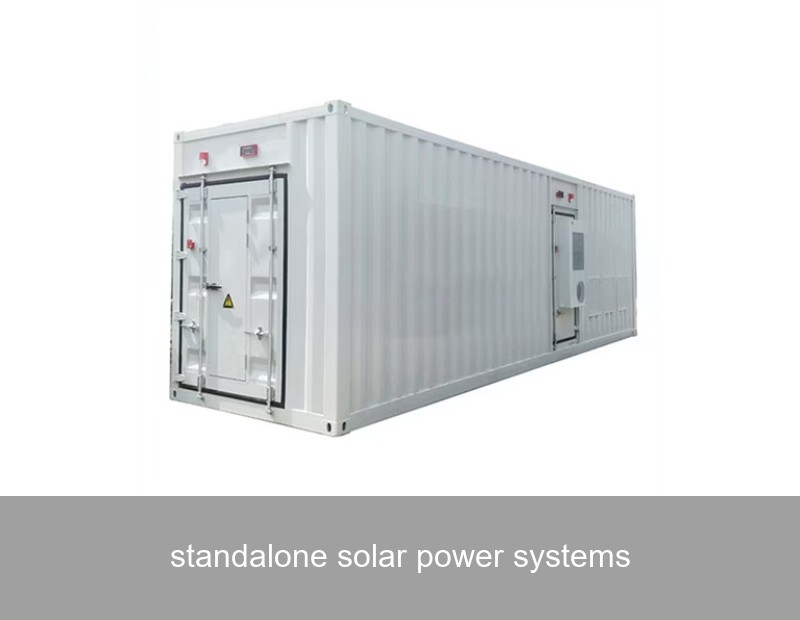
Imagine a home or business that generates its own electricity, completely free from the grid. This isn't a futuristic dream; it's the reality offered by standalone solar power systems. Also known as off-grid solar systems, these setups are revolutionizing how we think about energy, especially in remote areas, for critical infrastructure, and for anyone seeking true energy autonomy. In a time of increasing grid instability and a global push for sustainability, the appeal of creating your own personal power plant has never been stronger. In this guide, we’ll demystify how these systems work, their key components, and why they are a cornerstone of a resilient, clean energy future. As a leader in advanced energy storage since 2005, Highjoule is at the forefront of powering this independence with intelligent, reliable battery solutions that make standalone solar not just possible, but practical and powerful.
Table of Contents
- What is a Standalone Solar Power System?
- Key Components of an Off-Grid System
- The Heart of the System: Why Your Battery Choice Matters Most
- A Real-World Case Study: Off-Grid Living in the Scottish Highlands
- Highjoule Solutions for Uncompromising Off-Grid Performance
- Key Considerations for Designing Your System
- The Future of Standalone Solar
What is a Standalone Solar Power System?
Let's start with the basics. A standalone solar power system is a self-contained electricity generation and storage setup that operates independently from the public utility grid. Unlike grid-tied systems that send excess power back to the utility, an off-grid system must capture, store, and manage every watt of energy it produces to meet 100% of the user's needs, 24/7. This independence comes with unique challenges and rewards. It's the difference between having a backup generator and living on a self-sufficient homestead. The core principle is simple: solar panels convert sunlight into DC electricity, which is then regulated, stored in batteries, and converted to AC power for your appliances. But the engineering behind a reliable system is where true expertise comes into play.
Key Components of an Off-Grid System
Building a robust standalone system is like assembling a championship team; every player has a critical role. Here are the essential members:
- Solar Panels (PV Array): The primary energy harvesters. Their size (in kilowatts) dictates how much "fuel" you collect on a sunny day.
- Charge Controller: The brain of the DC side. It regulates the voltage and current from the panels to safely charge the batteries, preventing overcharging and damage. Modern Maximum Power Point Tracking (MPPT) controllers are highly efficient.
- Battery Bank: The system's reservoir. This is where your solar energy is stored for use at night or during cloudy periods. It's the most critical component for reliability.
- Inverter: The translator. It converts the stored DC electricity from the batteries into the AC electricity that powers standard household appliances and tools.
- Backup Generator (Optional but Recommended): A safety net for extended periods of poor weather. A generator can recharge the batteries and ensure continuity, making the system truly resilient.

Image Source: Unsplash - A typical off-grid solar installation requiring robust battery storage.
The Heart of the System: Why Your Battery Choice Matters Most
If solar panels are the system's muscles, the battery is its heart and brain. For decades, off-grid systems relied on lead-acid batteries, which are bulky, require maintenance, and have a limited cycle life. The game-changer has been the advent of Lithium Iron Phosphate (LiFePO4) battery technology. Here’s why the shift is so significant:
| Feature | Traditional Lead-Acid | Modern LiFePO4 (e.g., Highjoule) |
|---|---|---|
| Cycle Life | ~500-1500 cycles | 6,000+ cycles (to 80% capacity) |
| Depth of Discharge | ~50% recommended | 90%+ usable capacity |
| Efficiency | ~80-85% | >98% |
| Maintenance | Regular watering & equalization | Essentially maintenance-free |
As you can see, a LiFePO4 battery bank can be significantly smaller, last 3-4 times longer, and require virtually no upkeep. This translates to lower long-term costs and far greater peace of mind. According to a 2021 NREL report, the levelized cost of storage for lithium-ion batteries has fallen dramatically, making advanced technology accessible for standalone applications.
A Real-World Case Study: Off-Grid Living in the Scottish Highlands
The theory is compelling, but how does it work in practice? Consider the challenge faced by a remote ecological research station in the Scottish Highlands. With no grid connection for miles and harsh, cloudy winters, they needed an ultra-reliable power source for monitoring equipment, communications, and basic living needs.
The Problem: Their old lead-acid system required constant maintenance, struggled in winter, and needed replacement every 4-5 years, creating logistical and cost burdens.
The Solution: In 2022, they installed a new standalone solar power system featuring a 15kW solar array paired with a 40kWh Highjoule H-Stack commercial battery system. The H-Stack's integrated energy management system (EMS) intelligently allocates power, prioritizes critical loads, and can be monitored remotely.
- Energy Reliability: Achieved 99.8% uptime, even during a historic 10-day storm period with minimal sun.
- Operational Cost: Eliminated ~£2,000 per year in generator fuel and maintenance costs associated with topping up the old batteries.
- System Lifespan: The projected 15-year lifespan of the Highjoule battery bank doubles their previous investment cycle.
This case highlights that modern off-grid solar is not about "roughing it"—it's about achieving superior, cost-effective reliability where the grid cannot reach.
Highjoule Solutions for Uncompromising Off-Grid Performance
At Highjoule, we understand that an off-grid system is only as strong as its weakest link. That's why we engineer our battery storage solutions to be the most resilient link in the chain. Our products are designed specifically for the demanding duty cycle of standalone solar power systems.
For residential and small commercial applications, our ResiCore Series offers scalable storage from 10kWh to 30kWh in a single, sleek cabinet. Its built-in hybrid inverter compatibility and robust battery management system (BMS) provide plug-and-play simplicity with industrial-grade durability.
For larger demands like microgrids, remote industrial sites, or agricultural operations, the H-Stack Commercial System (as used in the Scottish case) is the answer. It's modular by design, allowing capacities to scale from 50kWh to over 1MWh. Its advanced thermal management ensures performance in extreme climates, from desert heat to alpine cold—a critical factor for European and North American installations.

Image Source: Unsplash - Modular battery storage systems enable scalable off-grid power.
Beyond hardware, Highjoule provides comprehensive system design support and global monitoring via the Highjoule Horizon Platform. This software gives you a window into your energy production and consumption, enabling proactive management and maximizing your system's efficiency and lifespan.
Key Considerations for Designing Your System
Thinking of going off-grid? Here’s a practical checklist:
- Energy Audit: This is step one. Calculate your daily kWh consumption meticulously. Don't guess—measure. Tools like the U.S. Department of Energy's appliance energy calculator can help.
- Location, Location, Location: Your solar resource is everything. Use tools like PVGIS from the European Commission to get precise solar irradiance data for your site.
- Autonomy Days: How many consecutive cloudy days do you want to weather without starting a generator? In sunnier climates, 2-3 days might suffice. In Northern Europe or the Pacific Northwest, 5-7 days of battery autonomy is a common design goal.
- Professional Partnership: This is not a DIY project for most. Partner with a certified installer who has proven experience with off-grid systems and can integrate high-quality components like Highjoule storage seamlessly.
The Future of Standalone Solar
The trajectory is clear: standalone systems are becoming smarter, more efficient, and more integrated. We're moving towards AI-driven energy management that can predict weather patterns and optimize consumption automatically. The integration of other renewable sources, like small wind turbines, into a hybrid off-grid system is also growing. Furthermore, as electric vehicles become ubiquitous, the concept of a standalone system will expand to include vehicle-to-home (V2H) capabilities, using the EV's battery as a supplementary grid resource.
Ultimately, the drive for standalone solar power systems is about more than technology; it's about empowerment, resilience, and participating directly in the clean energy transition. It asks a fundamental question: In a world of uncertainty, how much value do you place on controlling your own power?
What's the first load you would power if you were designing your own energy-independent sanctuary today?
 Inquiry
 Online Chat