


Off Grid Solar Battery Systems: Your Complete Guide to Energy Independence
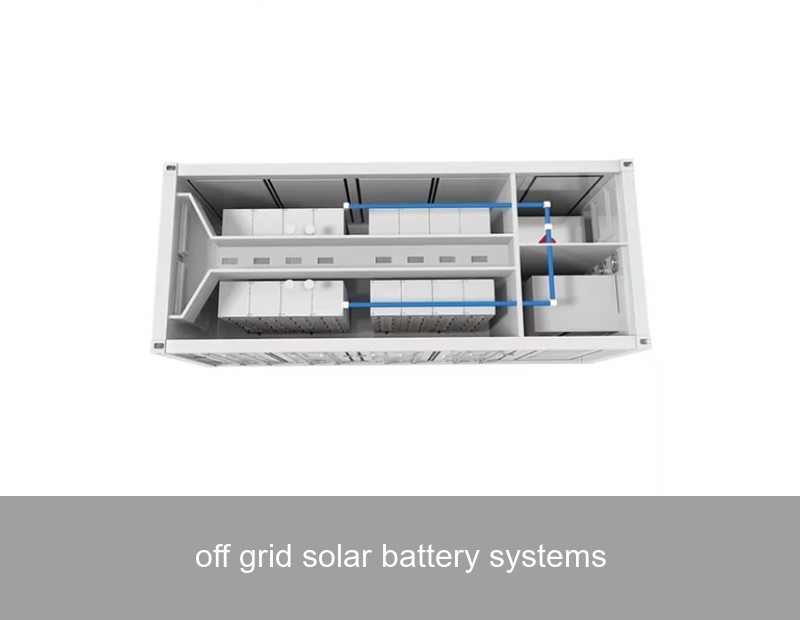
Imagine a home, a farm, or a remote business completely powered by the sun, free from the grid's constraints and costs. This isn't a futuristic dream—it's the practical reality made possible by modern off grid solar battery systems. For homeowners in sunny California, ranchers in the Australian outback, or eco-conscious communities across Europe, disconnecting from the traditional utility grid represents the ultimate form of energy security and sustainability. But what does it truly take to go off-grid? This guide will demystify the technology, explore the real-world data, and show you how a reliable system, like those engineered by Highjoule, can turn energy independence from a concept into a dependable daily reality.
Table of Contents
- The Off-Grid Reality: More Than Just Panels and Batteries
- Key Components of a Robust Off-Grid System
- The Heart of the System: Choosing the Right Battery Technology
- Case Study: Powering a Swedish Wilderness Lodge
- Sizing Your System: A Critical Calculation
- Highjoule's Intelligent Off-Grid Solutions
- Is Off-Grid Living Right for You?
The Off-Grid Reality: More Than Just Panels and Batteries
Going off-grid is a significant commitment. Unlike grid-tied systems with net metering, an off-grid setup has no utility backup. Your system must capture, store, and manage all the energy needed for your daily life, 365 days a year. This self-sufficiency hinges on a perfectly balanced triad: energy generation (solar panels), energy storage (batteries), and intelligent energy management. A common pitfall is underestimating consumption or overestimating solar yield during winter months, leading to a reliance on noisy, polluting gasoline generators. The goal of a modern system is to minimize or eliminate that generator use entirely through smart design and superior technology.
Key Components of a Robust Off-Grid System
Let's break down the essential hardware that forms a complete off-grid power station:
- Solar Panels (PV Array): Your primary fuel source. The size of your array is determined by your location's solar irradiance and your daily energy needs.
- Solar Charge Controller: This crucial device regulates the voltage and current from the solar panels to the batteries, preventing overcharging and damage.
- Battery Bank: The cornerstone of energy independence. This is where your solar energy is stored for use at night or during cloudy periods.
- Inverter: Converts the direct current (DC) electricity stored in your batteries into the alternating current (AC) that powers household appliances.
- Backup Generator (Optional but Recommended): A diesel, propane, or biodiesel generator acts as a safety net during extended periods of poor weather.
- System Monitor & Controller: The brain of the operation. Advanced systems, like those from Highjoule, integrate this to autonomously manage energy flow, prioritize loads, and start generators when needed.
The Heart of the System: Choosing the Right Battery Technology
This is where the real evolution has happened. The battery bank is the most critical—and often most expensive—component. Your choice dictates the system's lifespan, reliability, and maintenance needs.
| Battery Type | Typical Lifespan (Cycles) | Depth of Discharge (DoD) | Key Considerations |
|---|---|---|---|
| Flooded Lead-Acid | 1,000 - 1,500 | ~50% | Lower upfront cost, requires regular maintenance (watering, ventilation), shorter lifespan. |
| Sealed AGM | 800 - 1,200 | ~80% | Maintenance-free, safer installation, higher cost per cycle than flooded. |
| Lithium Iron Phosphate (LiFePO4) | 3,500 - 6,000+ | >90% | Higher upfront cost, zero maintenance, longer lifespan, compact, intelligent BMS. |
For a true "set-it-and-forget-it" off-grid experience, Lithium Iron Phosphate (LFP) chemistry is now the industry standard. Why? Its exceptional cycle life, deep discharge capability, and integrated Battery Management Systems (BMS) provide unparalleled reliability and safety. This is the technology Highjoule builds into its EverCore series of residential and commercial battery storage systems, designed specifically for the rigorous demands of off-grid and microgrid applications.

A modern, well-installed LFP battery bank is compact, safe, and requires no maintenance.
Case Study: Powering a Swedish Wilderness Lodge
Let's look at a real-world example from northern Sweden. A remote eco-lodge, open year-round, needed to eliminate its diesel dependency. Their challenges were extreme: near-total darkness in winter, temperatures plunging to -30°C, and peak loads from guests expecting modern comforts.
The Solution: A custom-designed off-grid system featuring a 40kW solar array, a 120kWh Highjoule EverCore battery bank, and a 25kW backup biodiesel generator. The intelligent Highjoule Energy Management System (EMS) was the key, dynamically allocating power, pre-heating the lodge during peak solar production, and automatically starting the generator only during prolonged low-sun periods.
The Data-Driven Outcome: Within the first year of operation:
- Diesel fuel consumption reduced by 94%, saving over €15,000 annually.
- The generator runtime dropped from nearly constant winter use to under 500 hours for the entire year.
- The lodge achieved its carbon-neutral certification, becoming a marketable sustainability leader.
This case demonstrates that with proper sizing and intelligent control, reliable off-grid power is achievable even in the world's most challenging environments. You can read more about the importance of system sizing in off-grid scenarios from the U.S. Department of Energy.
Sizing Your System: A Critical Calculation
Getting the size right is non-negotiable. An undersized system leads to blackouts; an oversized one wastes capital. The process involves:
- Load Audit: List every appliance, its wattage, and hours of use per day to calculate total daily kWh consumption. Don't forget seasonal variations!
- Solar Resource Assessment: Use tools like PVGIS from the European Commission to find your location's lowest solar yield month.
- Battery Bank Sizing: Size your storage to cover your energy needs through the "autonomy period"—the number of cloudy days you want to weather without generator help (typically 2-5 days).
- Array Sizing: Your solar panels must be large enough to fully recharge the depleted battery bank while also meeting the same day's energy loads.
This complex calculation is where partnering with an expert like Highjoule pays dividends. Our design team uses sophisticated modeling software to simulate annual performance, ensuring your investment delivers peace of mind for decades.
Highjoule's Intelligent Off-Grid Solutions
Since 2005, Highjoule has been at the forefront of advanced energy storage, designing systems that do more than just store power—they think. For the off-grid customer, our integrated approach is a game-changer.
Our EverCore Battery Systems, built with premium LiFePO4 cells, are the durable foundation. They are paired with our Unity Power Hub, a hybrid inverter/charger that seamlessly integrates solar input, battery storage, generator control, and grid connection (if available) into a single, sleek unit. The true intelligence comes from the Highjoule EMS, a cloud-connected platform that learns your consumption patterns, weather forecasts, and energy priorities to optimize every kilowatt-hour.
Imagine your system automatically deferring non-essential loads (like water heating) during cloudy weather, or "stacking" benefits by using excess solar to power a well pump for irrigation. This isn't just off-grid power; it's smart, adaptive energy independence. We provide this complete, engineered solution for residential, commercial, and community microgrid projects across Europe and North America.

The ultimate goal: a self-sufficient home in harmony with its environment.
Is Off-Grid Living Right for You?
The journey to energy independence is incredibly rewarding, but it requires a shift in mindset. You become the manager of your own personal utility. Success depends on honest energy budgeting, occasional conservation during stretches of bad weather, and investing in quality, durable equipment from the start.
The technology, particularly with the advent of intelligent LFP systems, has never been more capable. The question is no longer "Can I go off-grid?" but rather, "What level of independence do I seek, and what is the most intelligent system to achieve it reliably?"
What's the first energy load in your home or business you would prioritize to make an off-grid lifestyle a reality?
 Inquiry
 Online Chat