


Finding the Right Supplier of Flow Battery Systems for Long-Duration Energy Storage
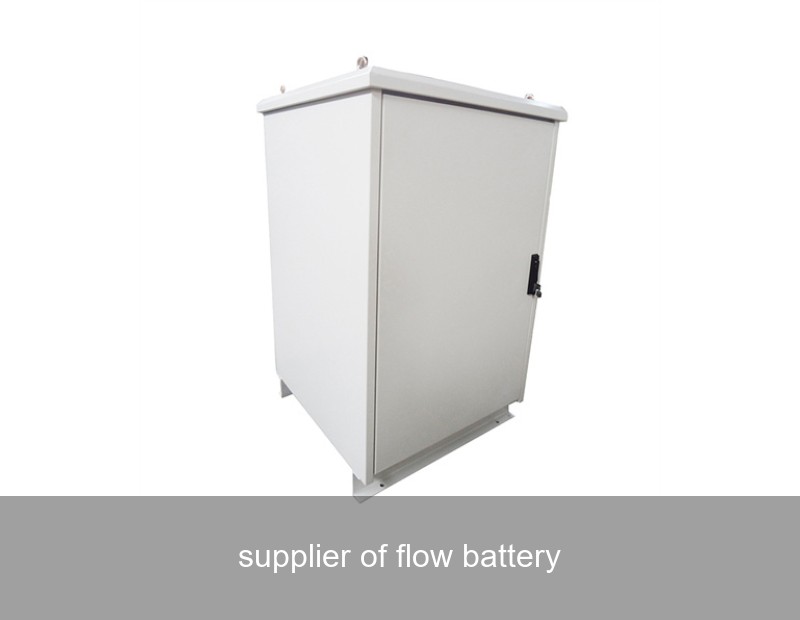
As the global push for renewable energy intensifies, a critical challenge emerges: how do we keep the lights on when the sun isn't shining and the wind isn't blowing? This is where long-duration energy storage (LDES) becomes non-negotiable. While lithium-ion batteries dominate headlines for short-term storage, a different technology is gaining significant traction for applications requiring 4, 8, 10, or even more hours of storage: the flow battery. Choosing a reliable and innovative supplier of flow battery technology is therefore a strategic decision for businesses, utilities, and communities aiming for true energy independence and grid resilience.
Table of Contents
- What is a Flow Battery and Why Does It Matter for LDES?
- Key Considerations When Choosing a Flow Battery Supplier
- The Highjoule Advantage: A Partner, Not Just a Supplier
- Case Study: Stabilizing a Microgrid in Northern Europe
- The Future Outlook for Flow Battery Technology
What is a Flow Battery and Why Does It Matter for LDES?
Imagine an energy storage system where power and energy are independently scalable. That's the core innovation of a flow battery. Unlike conventional batteries where energy is stored in solid electrode materials, flow batteries store energy in liquid electrolyte solutions housed in external tanks. These electrolytes are pumped through a cell stack to generate electricity via a reversible electrochemical reaction.
This unique architecture offers distinct advantages for long-duration scenarios:
- Decoupled Power & Energy: Need more capacity? Simply increase the size of the electrolyte tanks. Need more power? Add more cell stacks. This modularity offers unparalleled design flexibility.
- Deep Cycling with Minimal Degradation: Flow batteries can be charged and discharged to 100% depth daily without significant capacity fade over decades. A U.S. Department of Energy report highlights their potential for 20-30 year lifespans with minimal degradation.
- Enhanced Safety: The electrolytes are typically non-flammable and stored at ambient conditions, drastically reducing fire risk compared to some other battery chemistries.

So, when evaluating a supplier of flow battery systems, you're not just buying a product; you're investing in a long-term infrastructure asset for energy security.
Key Considerations When Choosing a Flow Battery Supplier
Not all flow battery providers are created equal. The technology encompasses different chemistries (like vanadium, zinc-bromine, or organic), each with its own profile. Here’s what to scrutinize:
| Consideration | Why It Matters | Key Questions to Ask |
|---|---|---|
| Technology & Chemistry | Impacts longevity, cost, temperature range, and environmental footprint. | Is the chemistry proven? What is the cycle life data? How is electrolyte stability maintained? |
| System Integration & Intelligence | A battery without smart controls is just a container. Seamless integration with renewables and the grid is crucial. | Does the system include advanced energy management software (EMS)? Can it participate in grid services markets? |
| Manufacturing & Supply Chain | Ensures consistent quality, scalability for your project, and long-term component availability. | Does the supplier control its core manufacturing? How resilient is the electrolyte supply chain? |
| Proven Track Record | Field performance data trumps laboratory promises every time. | Can the supplier reference operational commercial/industrial projects? What is their mean time between failures (MTBF)? |
The Highjoule Advantage: A Partner, Not Just a Supplier
This is where Highjoule distinguishes itself. Since 2005, we have evolved from a pioneer in advanced storage concepts to a global leader, specifically as a comprehensive supplier of flow battery solutions. Our philosophy is built on partnership, providing end-to-end support from initial feasibility studies to decades-long operational optimization.
Our flagship product, the Highjoule Vanadium Flow Battery (VFB) Series, is engineered for mission-critical LDES applications. We made a deliberate choice to focus on vanadium redox technology because of its unparalleled cycle life and electrolyte recyclability—a key factor for our sustainability-focused clients in Europe and North America.
What truly sets Highjoule apart is the HiveMindTM Energy Operating System. This proprietary intelligence layer transforms our flow battery from a static storage asset into a dynamic grid participant. HiveMindTM can autonomously:
- Optimize charge/discharge cycles based on weather forecasts and electricity pricing.
- Aggregate storage assets to provide grid stability services (like frequency regulation).
- Seamlessly manage hybrid systems that combine our VFB with solar PV or other generation sources.
As a full-service supplier of flow battery systems, we handle everything: site-specific engineering, installation, commissioning, and ongoing performance monitoring through our 24/7 Global Operations Center. Our service agreements are designed to ensure your system delivers its promised ROI and performance for its entire multi-decade lifespan.
Case Study: Stabilizing a Remote Microgrid in Northern Europe
Let's move from theory to practice. A community on a windswept island off the coast of Norway faced a dual challenge: integrating a new 2.5 MW wind farm and retiring an old diesel power plant. The goal was 80% renewable penetration, but wind volatility threatened grid stability.
The Phenomenon: Intermittent wind generation caused frequent frequency excursions and voltage spikes, risking damage to local infrastructure.
The Data & Solution: Highjoule's analysis recommended a 1.5 MW / 6 MWh VFB system (4-hour duration). The system was sized to absorb wind curtailment, provide instantaneous frequency response, and act as a spinning reserve.
The Outcome: Since commissioning 18 months ago:
- Diesel fuel consumption has been reduced by 72% annually.
- The microgrid now operates at 78% renewable penetration, consistently and stably.
- The HiveMindTM system automatically sells frequency containment reserve (FCR) services to the Norwegian national grid, creating a new revenue stream for the community. According to the Nord Pool power market data, such ancillary services have seen increasing value, enhancing project economics.

This project exemplifies how the right supplier of flow battery technology delivers more than hardware—it delivers a tailored energy resilience strategy.
The Future Outlook for Flow Battery Technology
The momentum behind flow batteries is accelerating. Research from institutions like Imperial College London points to continued cost reductions through material science innovations and manufacturing scale. As carbon pricing mechanisms strengthen and the need for grid-scale LDES becomes acute, the economic case for flow batteries solidifies.
We at Highjoule are investing heavily in next-generation electrolyte formulations and stack designs to further improve energy density and reduce levelized cost of storage (LCOS). Our focus remains on solving the most demanding energy storage challenges for our commercial, industrial, and utility partners.
Is Your Organization Ready for the Long-Duration Storage Conversation?
The transition to a resilient, renewable-powered future isn't just about generating clean energy—it's about storing it intelligently for when it's needed most. As you evaluate your long-duration energy storage strategy, what specific operational or sustainability goal would a 10+ hour, cyclically resilient battery system help you achieve?
 Inquiry
 Online Chat