


How to Power a Water Pump with Solar Energy: A Complete Guide
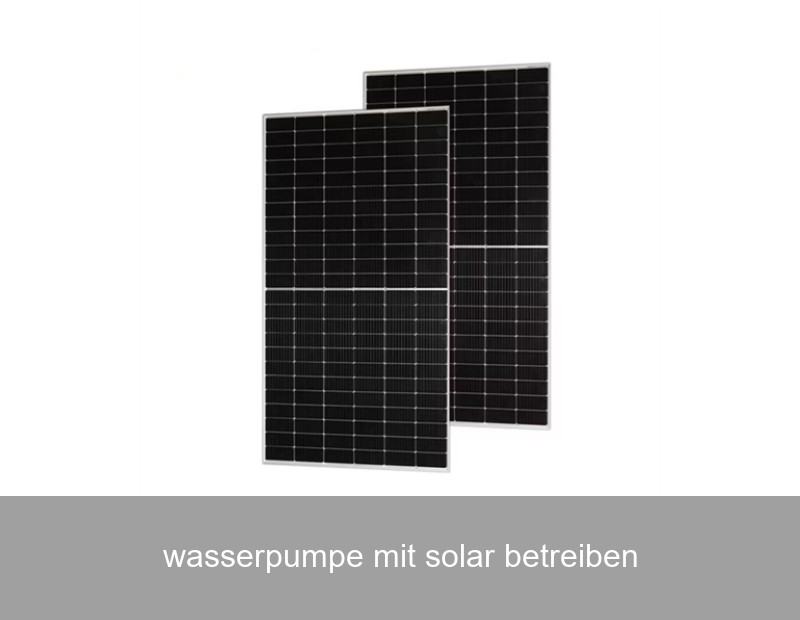
Imagine a reliable water source for irrigation, livestock, or even your home, completely independent of the grid and rising electricity costs. This is the promise of running a Wasserpumpe mit Solar betreiben (powering a water pump with solar). For farmers, remote communities, and eco-conscious homeowners, this technology is transforming access to water. But how does it work in practice, and what does it take to build a system that's both efficient and resilient, even when the sun isn't shining? This guide dives deep into the components, benefits, and real-world applications of solar-powered pumping, highlighting how modern energy storage elevates it from a fair-weather solution to a cornerstone of sustainable infrastructure.
Table of Contents
- The Phenomenon: From Sunlight to Water Flow
- Key Components of a Solar-Powered Pumping System
- The Data: Efficiency, Cost, and Environmental Impact
- Case Study: Solar Pumping in Spanish Agriculture
- The Game Changer: Adding Battery Storage for 24/7 Reliability
- Highjoule's Integrated Solutions for Uninterrupted Water Supply
- Getting Started with Your Solar Pumping Project
The Phenomenon: From Sunlight to Water Flow
The basic principle is elegantly simple: photovoltaic (PV) panels convert sunlight into direct current (DC) electricity. This electricity powers a pump, which draws water from a well, borehole, or reservoir. Unlike traditional AC pumps tied to the grid, a dedicated solar pumping system operates autonomously. Its output naturally varies with solar irradiance—pumping most during peak sun hours. This makes it perfect for tasks like daytime irrigation or filling storage tanks for later use. However, reliance on immediate sunlight is also its primary limitation. What if you need water early in the morning, in the evening, or during a string of cloudy days? This is where the conversation evolves from simple solar pumping to intelligent, solar-storage pumping systems.
Key Components of a Solar-Powered Pumping System
To understand the system, let's break it down into its core parts:
- Solar PV Array: The engine. Its size (in kW) determines the available power.
- Pump Controller / Inverter: The brain. It converts DC from panels to AC for the pump (if needed) and protects the system from issues like dry running or voltage fluctuations.
- Water Pump: The heart. Submersible pumps are common for deep wells, while surface pumps suit reservoirs. Choosing the right pump for your head (lift) and flow requirements is critical.
- Water Storage: A buffer. Tanks or reservoirs store water pumped during the day for use anytime, providing a simple form of "water battery."
- Energy Storage (Battery System): The game-changer. Adding a battery allows you to store electrical energy, powering the pump outside of sunny hours and ensuring consistent operation.

Image: A solar array powering agricultural irrigation. Source: Unsplash
The Data: Efficiency, Cost, and Environmental Impact
The shift to solar pumping isn't just ideological; the numbers are compelling. According to the International Energy Agency (IEA), solar PV is often the lowest-cost option for electricity generation in history in many regions. For pumping, this translates to significantly reduced operational expenses after the initial investment. Let's look at a simplified comparison:
| Factor | Diesel/Grid Pump | Basic Solar Pump | Solar Pump + Battery Storage |
|---|---|---|---|
| Operational Cost | High (Fuel/Utility Bills) | Very Low | Very Low |
| Runtime | On-Demand | Daylight Hours Only | 24/7 On-Demand |
| Carbon Footprint | High | Near Zero | Near Zero |
| System Resilience | Vulnerable to Fuel Supply/Grid Outages | Vulnerable to Weather | High (Energy Autonomy) |
As the table shows, adding storage addresses the key weakness of basic solar pumping while retaining all its economic and environmental benefits.
Case Study: Solar Pumping in Spanish Agriculture
Consider the real-world example of a 50-hectare almond farm in Andalusia, Spain. Faced with steep electricity costs for irrigation, the farm installed a 40 kWp solar array directly powering a submersible pump. In the first year, they reduced grid electricity consumption for pumping by over 70%. However, they still needed the grid at night, missing the chance for full independence. In year two, they integrated a Highjoule HI-Stack 30 battery energy storage system (BESS) with a capacity of 33.6 kWh. This allowed them to store excess solar energy generated at midday. The result? They now run irrigation cycles at cooler evening hours (reducing water loss to evaporation) and have achieved 95% grid independence. Their payback period for the combined system is estimated at 6-7 years, after which water pumping costs are negligible.
The Game Changer: Adding Battery Storage for 24/7 Reliability
This is where the true potential of Wasserpumpe mit Solar betreiben is unlocked. A battery storage system like those developed by Highjoule acts as a buffer and a reservoir for electrical energy. It solves multiple challenges at once:
- Weather Independence: Pump water during cloudy periods or light rain using stored energy.
- Extended Operation: Schedule pumping for optimal times (e.g., nighttime irrigation to minimize evaporation).
- System Protection: Provide stable voltage and frequency, prolonging the pump's lifespan.
- Energy Management: In grid-tied setups, batteries can store solar power to avoid drawing expensive peak-time grid electricity for pumping.
Think of it this way: water storage gives you a reserve of *water*, but battery storage gives you a reserve of *pumping capability*. The combination provides unparalleled resilience.

Image: A modern lithium-ion battery storage unit. Source: Unsplash
Highjoule's Integrated Solutions for Uninterrupted Water Supply
At Highjoule, we understand that critical applications like water pumping demand more than just panels and a pump. Our expertise lies in designing integrated energy systems that are smart, efficient, and sustainable. For solar pumping projects, our HI-Stack Commercial & Industrial (C&I) battery systems are the ideal complement. These modular, scalable units feature advanced lithium iron phosphate (LFP) chemistry, known for its safety, long cycle life, and stability—perfect for the daily charge/discharge cycles of a pumping system.
Our energy management system (EMS) intelligently coordinates solar production, battery storage, and pump operation. It can be programmed to prioritize solar self-consumption, ensure a minimum water level in storage tanks, or operate the pump during specific tariff windows. For larger agricultural or community water supply projects, our microgrid controllers can even integrate a backup generator, creating a truly fail-safe water supply system. Since 2005, Highjoule has been providing these tailored solutions, ensuring that when you decide to Wasserpumpe mit Solar betreiben, you get a system that works reliably today and for decades to come.
Getting Started with Your Solar Pumping Project
Embarking on this journey requires careful planning. Start by assessing your water needs: daily volume required, total dynamic head (lift + friction), and your usage pattern. Then, evaluate your solar resource—tools like the European Commission's PVGIS are invaluable. Crucially, ask yourself: is daytime-only pumping sufficient, or do I need the reliability that only battery storage can provide?
The future of off-grid and resilient water supply is undoubtedly solar-powered, but the gold standard includes storage. It transforms a sun-dependent tool into a dependable utility. What critical operation in your home, business, or community could be transformed by a 24/7 renewable power supply for water?
 Inquiry
 Online Chat