


Understanding the 1000W Solar Panel Price in Ethiopia: A Guide to Smart Solar Investment
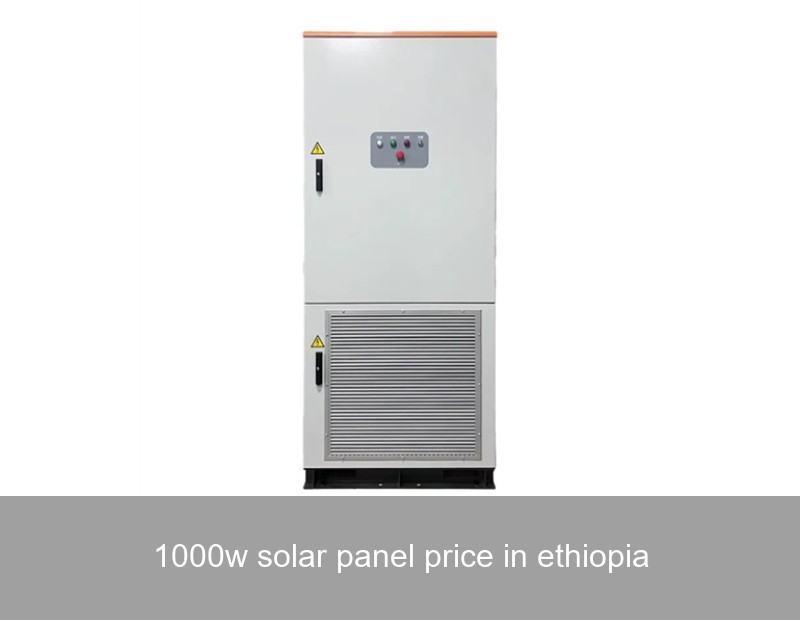
If you're researching the 1000W solar panel price in Ethiopia, you're already on a promising path toward energy independence. But here's a crucial insight: the cost of the photovoltaic modules is just one piece of the puzzle. In Ethiopia's dynamic and growing renewable energy landscape, the true value of your investment is determined not just by the price tag of the panels, but by the intelligence, durability, and integration of the entire solar energy storage system.
Introduction: The Solar Surge in Ethiopia
Ethiopia is on a remarkable journey toward a green energy future. With ambitious government initiatives and abundant sunshine, solar power is becoming a cornerstone for both grid-connected and off-grid solutions. For homeowners, businesses, and communities, a 1000W (1kW) solar system represents a practical starting point—capable of running essential appliances, powering small businesses, or providing critical backup power. However, the initial question of panel pricing often overshadows the more important conversation about long-term performance and total cost of ownership.
What Determines a 1000W Solar Panel Price in Ethiopia?
When you see a quote for a "1000W solar panel system," it typically includes several core components. Let's break down the cost structure:
- The Panels (Modules): This is the 1000w solar panel price component itself. Prices fluctuate based on panel efficiency (monocrystalline is more efficient and costly than polycrystalline), brand, and import logistics. As of late 2023, the module cost for 1kW could range between $200-$400, but this is highly variable.
- Inverter: This device converts the DC electricity from the panels into usable AC electricity. A quality inverter is non-negotiable for system health.
- Mounting Structure & Cabling: Hardware to securely install the panels and connect the system.
- Battery Storage (The Game-Changer): For reliable power after sunset or during grid outages, a battery energy storage system (BESS) is essential. This is where the real value of a system is realized.
- Installation & Labor: Professional installation ensures safety, compliance, and optimal performance.
Therefore, the total installed cost for a reliable 1kW system with battery storage in Ethiopia can range from $1,500 to $3,000 or more, depending heavily on the quality of the battery and inverter technology chosen.
The Critical Role of Battery Storage in the Ethiopian Context
In a country where grid reliability can be a challenge in certain areas, the battery isn't just an add-on; it's the heart of a resilient power solution. A common mistake is to focus solely on the solar panel price and pair it with a low-cost, low-cycle-life battery. This often leads to frequent replacements, negating any initial savings. The key metric here is levelized cost of storage (LCOS)—the total cost of owning and operating the storage system over its lifetime. A higher-quality battery with a longer lifespan and deeper cycle capability often has a lower LCOS.

Image Source: Unsplash (Representative image of solar installation in a similar geographical context)
A Real-World Case: Powering a Rural Clinic
Let's move from theory to practice. Consider a recent project for a rural health clinic in the Oromia Region. The clinic needed reliable power for refrigeration of medicines, lighting for evening operations, and running basic medical devices. A 1.2kW solar array was installed.
| Component | Initial Low-Cost Option | Smart, Integrated Option |
|---|---|---|
| Solar Panels (1.2kW) | $300 | $350 (Higher efficiency) |
| Basic Inverter | $150 | N/A |
| Low-Cycle Lead-Acid Batteries | $400 | N/A |
| Highjoule HI-ESS Home 3.0 (Integrated Inverter + LiFePO4 Battery) | N/A | $1,800 |
| Total Installed Cost (Approx.) | $2,100 | $2,500 |
| Expected Battery Lifespan | 2-3 years (500-800 cycles) | 10+ years (6000+ cycles) |
| System Monitoring | None | Real-time app-based monitoring & management |
| Projected 10-Year Cost (with replacements) | > $4,500 | ~$2,500 |
The data is clear. The clinic choosing the integrated, high-quality lithium iron phosphate (LiFePO4) solution from Highjoule paid a slightly higher upfront cost but secured over a decade of reliable, maintenance-free operation. The initial 1000w solar panel price became a minor factor in the face of long-term savings and, most importantly, uninterrupted power for critical healthcare services. You can explore more about Ethiopia's renewable goals on the official IRENA Africa Market Analysis page.
Beyond the Panels: Why Your System's "Brain" Matters Most
Modern solar storage is about more than just hardware; it's about software intelligence. Think of it this way: the panels are the "muscle" that generates power, but the inverter and battery management system (BMS) are the "brain" that optimizes every watt-hour. A smart system can:
- Prioritize solar power for immediate use, then charge the battery, then export excess.
- Learn your energy consumption patterns and optimize cycles to extend battery life.
- Provide remote diagnostics and firmware updates, ensuring your system improves over time.
- Seamlessly switch to backup power during a grid outage in milliseconds.
This intelligence is what transforms a capital expenditure into a smart, long-term investment. For deeper technical insights into battery technologies, resources like ScienceDirect's engineering topics offer valuable reading.
How Highjoule's Smart Systems Maximize Your Ethiopian Solar Investment
At Highjoule, with nearly two decades of experience as a global energy storage provider, we engineer solutions that look beyond the initial 1000w solar panel price in Ethiopia. Our systems are designed for sustainability, resilience, and intelligence.
For the Ethiopian market, ranging from residential homes in Addis Ababa to agricultural cooperatives and telecom towers in remote areas, our integrated approach is key. We don't just sell components; we provide optimized systems where our advanced hybrid inverter, high-cycle LiFePO4 batteries, and intelligent energy management software are designed to work in perfect harmony.
Our HI-ESS Home Series is ideal for residential and small commercial applications. Its modular design allows you to start with a system that meets your current budget and needs (like a 1kW solar array) and expand battery capacity as your requirements grow. The built-in energy management system automatically chooses the most economical and efficient power flow—whether from solar, battery, or grid—protecting your appliances and maximizing your savings.

Image Source: Unsplash (Representative image of a modern wall-mounted home battery system)
For larger-scale needs, our Commercial & Industrial (C&I) and Microgrid solutions offer scalable, containerized storage that can integrate with larger solar farms, manage demand charges, and provide grid stability. This makes Highjoule a partner not just for individual consumers, but for developers implementing Ethiopia's vision for widespread, reliable renewable energy.
Your Path to Energy Independence
So, while the 1000w solar panel price in Ethiopia is a valid starting point for your research, we encourage you to ask more profound questions: What is the total cost of ownership over 10 years? How does the system ensure my battery lasts through thousands of cycles in Ethiopia's climate? Can the system adapt and grow with my future energy needs?
We believe the right energy storage solution should be an asset that pays dividends in reliability and savings for decades. What specific energy challenge—be it unreliable grid power, high diesel costs, or a need for clean backup power—are you aiming to solve with your solar investment?
 Inquiry
 Online Chat