


Finding the Right 24V Solar Panel for Sale: Your Guide to Efficient Off-Grid and Backup Power
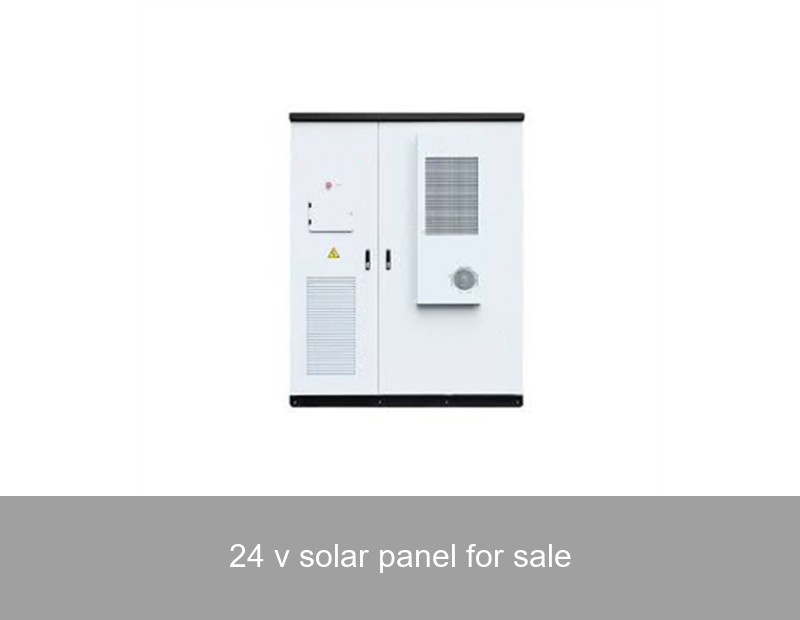
So, you're searching for a 24V solar panel for sale. That's a fantastic first step towards energy independence, but it also means you're likely planning a system that's more substantial than a small phone charger. Whether it's for a cabin, a boat, an RV, or a critical backup power setup for your home office, the 24V platform is the sweet spot for many robust, off-grid, and residential storage applications. But with so many options online, how do you ensure you're building a system that's efficient, safe, and lasts for decades? This guide will walk you through not just selecting a panel, but understanding the entire ecosystem needed for a reliable 24V solar power system.
Understanding the 24V Solar Panel System: It's More Than Just a Panel
First, let's clear up a common point of confusion. When we talk about a "24V solar panel," we're usually referring to a panel whose nominal voltage is designed to efficiently charge a 24V battery bank. These panels typically have a Voc (Open-Circuit Voltage) of around 40-45V and a Vmp (Voltage at Maximum Power) in the 30-36V range under Standard Test Conditions. This higher voltage is crucial. It allows for efficient charging even on cloudy days and compensates for voltage drops over longer wire runs, which is common in off-grid installations like sheds or remote buildings.
Think of it like water pressure: a 24V system provides the necessary "pressure" to push energy through your cables and into your batteries effectively, especially when the energy source (the sun) isn't at its peak. Simply buying a random 24V solar panel for sale without understanding its role in the broader system is like buying a high-performance car engine without the right transmission or fuel system.
Why a 24V System is Ideal for Your Needs
Why choose 24V over the more common 12V? It comes down to efficiency, cost, and scalability. For systems requiring between 1,000 and 3,000 watts of power, a 24V configuration is often the most balanced choice.
- Lower Energy Losses & Smaller Wires: With higher voltage, the current (Amps) for the same power is halved compared to a 12V system. Lower current means significantly reduced energy losses as heat in your wiring. Practically, this allows you to use thinner, less expensive copper cables, especially over distances of 10 feet or more, improving safety and saving money.
- More Powerful Appliances: Many larger inverters (particularly those over 2,000 watts) are designed for 24V or 48V input. A 24V system seamlessly supports running kitchen appliances, power tools, or well pumps through a compatible inverter.
- Scalability: It's easier and more efficient to expand a 24V system. You can add more panels in series to maintain the higher voltage, and battery banks are easier to manage in 24V configurations.

Image Source: Unsplash (Professional solar installation)
Key Components of a Robust 24V Solar Power System
A successful system is a symphony of components working together. Here’s what you need alongside your 24V solar panel for sale:
| Component | Role in the 24V System | Key Consideration |
|---|---|---|
| Solar Charge Controller (MPPT) | The brain of the charging process. It takes the variable voltage from the panels and converts it to the perfect voltage to charge the 24V batteries. | An MPPT controller is essential for 24V systems. It can be 15-30% more efficient than older PWM types, especially in cool or cloudy weather, maximizing the yield from every panel. |
| 24V Battery Bank | The energy reservoir. This is typically built by connecting two 12V deep-cycle batteries in series, or using purpose-built 24V lithium batteries. | Lithium Iron Phosphate (LiFePO4) batteries, like those in Highjoule systems, are revolutionizing storage with longer lifespans (10+ years), faster charging, and safer chemistry. |
| Inverter | Converts the stored DC power from the batteries (24V DC) into usable AC power (120V/230V AC) for your household appliances. | Ensure the inverter's continuous wattage rating exceeds the total wattage of the appliances you plan to run simultaneously. |
| Wiring, Fuses, & Safety Gear | The circulatory and nervous system, protected by circuit breakers. | Undersized wiring is a major fire risk. Always follow NFPA 70 (NEC) guidelines or local electrical codes. |
A Real-World Case: Powering a Remote Cabin in Sweden
Let's look at a real example from the Swedish archipelago. A family needed to power a small, off-grid cabin used year-round. Their loads included a DC water pump, LED lighting, a laptop, a small refrigerator, and occasional use of a 700-watt coffee maker.
- Challenge: No grid connection. Harsh winters with low sun angles, but bright summers with long days.
- Solution: A 24V DC system was chosen for its efficiency in cold weather and longer wire runs from the array to the cabin.
- Array: Six 400W monocrystalline panels (2,400W total), configured as 3 strings of 2 in series to produce an optimal voltage for the 24V battery bank.
- Storage: A 24V/10.2kWh Highjoule LiFePO4 battery bank.
- Management: A Highjoule smart hybrid inverter with a built-in MPPT charge controller.
- Outcome & Data: The system provides 98% energy autonomy year-round. Data from the inverter's monitoring app showed that even during the December solstice, the MPPT controller's high voltage input range allowed the system to harvest 1.8-2.2 kWh on a clear day, enough for essential loads. The lithium batteries' 95% round-trip efficiency (vs. ~80% for lead-acid) and ability to charge rapidly during short winter sun hours were critical to success.
Choosing the Right 24V Solar Panel for Sale: Specifications That Matter
When evaluating a 24V solar panel for sale, look beyond just the price and wattage. Here’s your checklist:
- Cell Technology: Monocrystalline panels offer the highest efficiency (often over 21%), meaning you need less roof space—a key factor for RVs or small cabins.
- Temperature Coefficient: This tells you how much power the panel loses as it heats up. A lower percentage (e.g., -0.29%/°C vs. -0.40%/°C) means better performance on hot summer days.
- Durability: Look for panels with robust frames, high snow load ratings (≥5,400 Pa), and wind load ratings. Corrosion-resistant aluminum is a must for coastal or harsh environments.
- Warranty: A reliable manufacturer will offer a 25+ year linear power output warranty and a 10-15 year product warranty.
Remember, the panel is just one part. Its performance is entirely dependent on the quality of the charge controller and batteries it's connected to.
The Highjoule Solution: Beyond Just a Panel
At Highjoule, we understand that your search for a 24V solar panel for sale is really a search for a reliable power solution. Since 2005, we've evolved from a component provider to a system integrator, focusing on intelligent, seamless energy storage. Our approach is to provide optimized, pre-engineered systems where all components communicate perfectly.
For 24V applications, such as large off-grid homes, workshops, or micro-grids, we offer the Highjoule HPS Series. This isn't just a bundle of parts; it's an integrated power station. It combines high-efficiency, tier-1 solar panels with our proprietary battery management system (BMS) and a smart hybrid inverter. The BMS continuously monitors cell health, temperature, and state-of-charge, ensuring safety and maximizing the lifespan of our LiFePO4 batteries. Our inverter's advanced MPPT algorithm ensures you extract every possible watt-hour from your solar array, a feature that pays for itself in northern climates with variable weather.
For residential customers in Europe and the U.S. looking to add solar storage for backup power, our Highjoule Home Energy Hub can be configured in a 24V architecture for smaller homes or critical sub-panel backup. It integrates effortlessly with new or existing solar panels, providing peace of mind during grid outages and allowing you to store excess solar energy for use at night.

Image Source: Unsplash (Modern home solar and storage)
Installation and Key Considerations: A Note on Safety
While a DIY approach is tempting, installing a 24V system involves working with high-current DC circuits and potentially lethal AC voltage from the inverter. We strongly recommend consulting with or hiring a certified solar installer. They will ensure proper:
- Structural mounting and roof integrity.
- Electrical code compliance (crucial for insurance and safety).
- System grounding and lightning protection.
- Optimal tilt and azimuth angle for your location to maximize annual yield. Tools like PVGIS from the European Commission are excellent for preliminary calculations.
Your journey to find a 24V solar panel for sale is the start of building a more resilient and sustainable power setup. The key is to think in terms of a complete, harmonious system rather than individual parts. What specific energy goal—be it total off-grid freedom, unwavering backup power, or simply reducing your diesel generator runtime—is driving your project today?
 Inquiry
 Online Chat