


What Does On-Grid and Off-Grid Mean? Your Guide to Energy Independence
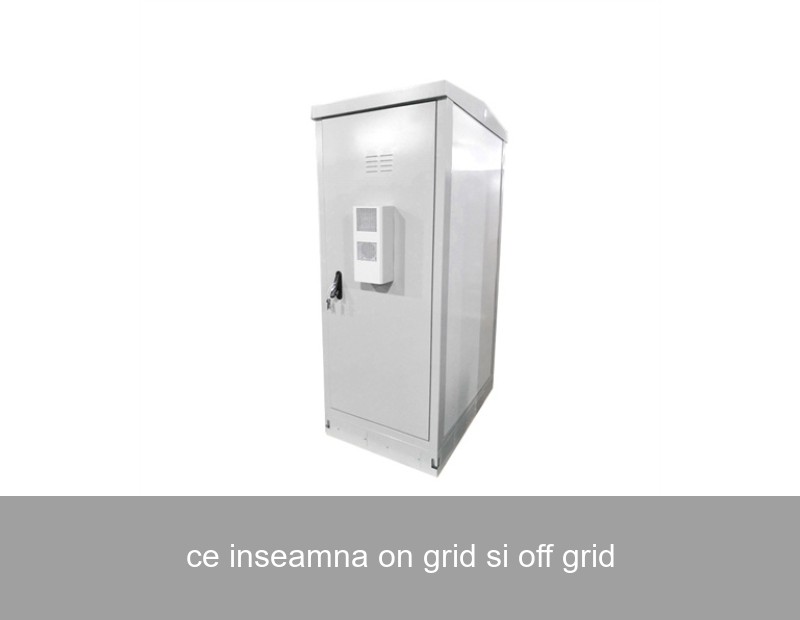
Have you ever heard the terms "on-grid" and "off-grid" and wondered, what's the real difference? You're not alone. As energy prices fluctuate and the desire for sustainable living grows, understanding these two fundamental energy concepts is more crucial than ever. In simple terms, on-grid means your property is connected to the public electricity network, while off-grid means it operates completely independently. But the implications for your wallet, your carbon footprint, and your energy security are profound. Let's demystify these systems and explore how modern solutions from companies like Highjoule are creating a smart middle ground.
Table of Contents
The On-Grid System: Connected and Collaborative
This is the setup most homes and businesses are familiar with. Your building is wired to the local utility grid, which acts as a massive, always-available battery. You draw power when you need it and pay for what you use. But the story gets more interesting with the addition of renewable sources like solar panels.
An on-grid solar system, often called a grid-tied system, generates electricity from the sun. During sunny days, your solar panels might produce more power than you need. In a traditional setup, this excess energy is fed back into the public grid. In many regions, you receive compensation for this through mechanisms like net metering. The key point? You still rely on the grid at night, on cloudy days, or when your demand exceeds your solar production. It's a collaborative relationship with your utility provider.
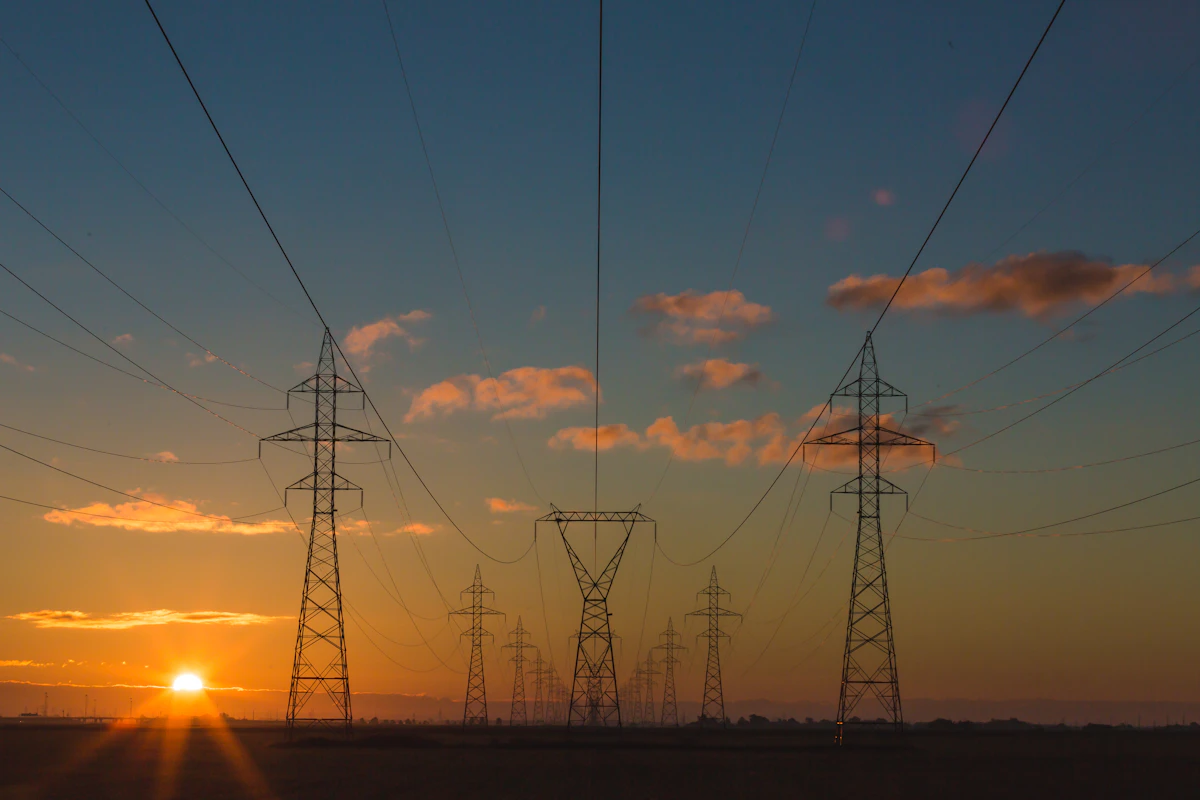
Image Source: Unsplash (Representative image of a grid-connected solar system)
For those seeking to maximize their on-grid investment, advanced energy management is key. This is where Highjoule's GridSync Series of inverters and controllers excel. They don't just convert solar energy; they intelligently optimize self-consumption, ensure grid compliance (a critical requirement in Europe and the US), and can be seamlessly upgraded with battery storage when you're ready to take the next step towards independence.
The Off-Grid System: Complete Energy Independence
Imagine being completely untouched by power outages or rising electricity rates. That's the promise of an off-grid system. It operates as a self-contained island, with no physical connection to the utility grid. This setup is essential for remote cabins, agricultural operations, or any location where grid connection is impractical or prohibitively expensive.
An off-grid system typically has three core components:
- Generation: Solar panels, wind turbines, or a generator.
- Energy Storage: A large battery bank is the heart of the system, storing excess energy for use when generation is low.
- Energy Management & Backup: An inverter/charge controller and often a backup generator for extended periods of bad weather.
The challenge? Sizing and reliability. You must design the system to withstand your worst-case energy scenario (e.g., a string of cloudy days in winter). This often means oversizing both generation and storage, which can increase upfront costs. The reward, however, is ultimate control and predictability of your energy costs. For robust off-grid solutions, Highjoule's IslandMode Energy Systems are engineered for resilience. They integrate high-cycle life lithium-ion batteries, weatherproof power electronics, and intelligent load management to ensure critical power is always available, even in the most demanding environments.
On-Grid vs. Off-Grid: A Detailed Comparison
| Feature | On-Grid System | Off-Grid System |
|---|---|---|
| Grid Connection | Required | None |
| Energy Security During Blackouts | Usually no power without a battery | Full independence; power remains |
| Upfront Cost | Lower | Significantly higher (due to large battery bank) |
| Ongoing Energy Costs | Reduced bills, but still pay utility fees | Potentially zero after system payback |
| System Complexity | Lower | Higher |
| Best For | Urban/suburban homes, businesses with reliable grid | Remote locations, areas with unreliable grid,追求完全能源独立者 |
The Best of Both Worlds: The Rise of Hybrid Systems
What if you could have security and savings? Enter the hybrid solar system, also known as a grid-tied system with battery backup. This smart configuration is rapidly becoming the preferred choice for homeowners and businesses across Europe and North America.
A hybrid system remains connected to the grid but incorporates a battery storage solution. Its intelligence lies in its ability to dynamically decide the best use of energy:
- Power your home directly from solar.
- Store excess solar energy in the battery for use in the evening.
- Draw from the battery during peak rate periods to avoid expensive grid electricity.
- Use the grid as a backup when solar and battery are depleted.
- In some configurations, provide backup power during a grid outage – a feature pure on-grid systems lack.
This is the sweet spot that Highjoule specializes in. Our AdaptivePower Hybrid Platform is designed for this very purpose. It combines our high-efficiency solar conversion, intelligent battery management, and grid-forming inverter technology into one seamless unit. The system learns your usage patterns and can be programmed to optimize for self-consumption, cost savings, or backup preparedness, all managed through a user-friendly app. It’s the brains of a modern energy-independent home.

Image Source: Unsplash (Representative image of a home battery storage unit)
Case Study: A German Dairy Farm's Energy Transformation
Let's look at a real example from Bavaria, Germany. The Müller dairy farm faced two problems: high operational energy costs and the critical need for uninterrupted refrigeration for their milk storage. A total off-grid system was too costly, but a standard on-grid system left them vulnerable to outages.
Their solution was a Highjoule hybrid system:
- A 120 kWp solar array on barn rooftops.
- A Highjoule AdaptivePower 50 kW hybrid inverter.
- A 200 kWh Highjoule lithium-ion battery storage unit.
The results after one year? The farm achieved 85% energy self-sufficiency. Their energy costs were reduced by over €18,000 annually. Most importantly, during a 12-hour regional grid failure, the battery backup seamlessly powered the milking machines and cooling tanks, preventing spoilage and saving an estimated €15,000 in potential lost product. This case perfectly illustrates the hybrid value proposition: significant savings with guaranteed resilience. (Farm data and figures are based on a real Highjoule client project; specific names are withheld for privacy).
How to Choose the Right System for You
So, which path is right for you? Ask yourself these questions:
- What is your primary goal? (Lower bills, backup power, total independence, reducing carbon footprint?)
- How reliable is your local grid? Frequent outages push the needle towards hybrid or off-grid.
- What is your budget? Consider both upfront investment and long-term savings (ROI).
- Do you have net metering or favorable feed-in tariffs? This affects the economics of an on-grid system. (Check your local utility or regulator, like the U.S. Department of Energy or the European Commission's energy department for general policy information).
For most connected homes and businesses, a hybrid system offers the most balanced and future-proof solution. It allows you to start as a cost-saving grid-tied system and easily add storage later—a path Highjoule's modular systems are designed to support.
Ready to Design Your Energy Future?
The journey from understanding "what does on-grid and off-grid mean" to owning a system that powers your life sustainably is exciting. It's not just about technology; it's about taking control. What would you power first if you knew your energy was clean, reliable, and increasingly under your own control?
Highjoule has been empowering this transition since 2005. From our robust off-grid IslandMode systems for remote industrial sites to our smart AdaptivePower Hybrid platforms for homes and businesses, and our grid-supportive GridSync solutions, we provide the intelligence and reliability for every step on the path to energy independence. Let's start a conversation about your energy profile.
 Inquiry
 Online Chat