


Unlocking Resilience and Savings: A Guide to Commercial Electricity Storage
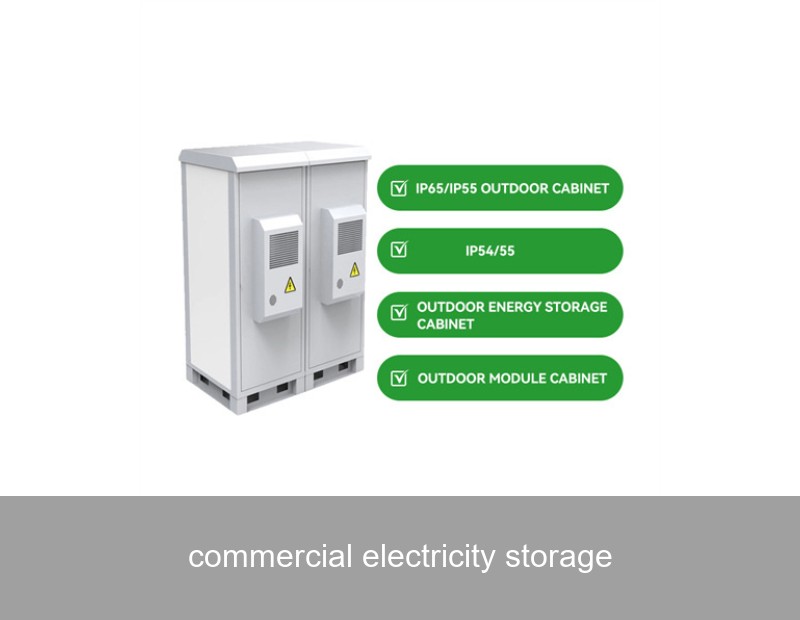
For businesses across Europe and the U.S., the electricity bill is more than just an operational cost—it's a variable, often unpredictable line item directly impacting the bottom line. Combine this with growing concerns over grid reliability and corporate sustainability goals, and you have a perfect storm of challenges. But what if there was a way to turn electricity from a mere utility into a strategic asset? The answer lies in commercial electricity storage. This technology is no longer a futuristic concept; it's a practical, financially savvy solution that empowers businesses to take control of their energy. As a leader in this space since 2005, Highjoule has been at the forefront, designing intelligent battery storage systems that transform how businesses consume, manage, and even generate value from power.
Table of Contents
The Problem: Volatile Costs and Unreliable Grids
Let's face it: the traditional energy model is becoming increasingly problematic for commercial operators. You're likely experiencing two major pain points. First, cost volatility. Electricity prices aren't stable. They can spike dramatically during periods of high demand (often on hot afternoons or cold evenings), a mechanism known as peak pricing or Time-of-Use (TOU) rates. Your facility might be operating the same way, but your energy bill tells a very different, more expensive story. Second, grid instability. From extreme weather events in California to grid congestion in parts of Europe, power outages and brownouts are a growing risk. For a business, even a short interruption can mean lost production, spoiled inventory, data loss, and operational chaos.
This phenomenon isn't anecdotal. It's the direct result of an energy transition that, while positive, strains existing infrastructure. As more intermittent renewable sources like solar and wind connect to the grid, the need for flexible, dispatchable power becomes critical. This is where your business can step in—not just as a consumer, but as an active participant in grid stability.
The Data: Why Storage Makes Financial Sense
The business case for commercial battery storage is built on hard numbers. Let's break down the primary value streams:
- Peak Shaving: This is the most direct savings. Your storage system charges when electricity is cheap (e.g., at night) and discharges during expensive peak hours, effectively "shaving" the top off your demand profile. This can reduce your demand charges, which often constitute 30-50% of a commercial bill.
- Backup Power: Provides seamless, instantaneous power during an outage, keeping critical operations running. The value here is the cost of avoided downtime.
- Energy Arbitrage: Buying low, storing, and using high—the simple principle of arbitrage applied to electrons.
- Renewables Integration: If you have on-site solar, storage captures excess generation that would otherwise be exported at a lower rate, maximizing self-consumption and ROI on your PV investment.
According to a report by the National Renewable Energy Laboratory (NREL), commercial energy storage paired with solar can reduce electricity costs by 20-40% for many businesses, with payback periods continuing to shorten as technology costs decline.
The Solution: How Commercial Battery Systems Work
So, what exactly is a commercial electricity storage system? At its core, it's a sophisticated set of components working in harmony:
- Battery Racks: The heart of the system, typically using Lithium Iron Phosphate (LFP) chemistry for its safety, long cycle life, and stability.
- Power Conversion System (PCS): The brain, which includes inverters that manage AC/DC conversion and control the flow of electricity.
- Energy Management System (EMS): The central intelligence. This software-based controller analyzes electricity prices, load patterns, and weather forecasts to make real-time decisions on when to charge or discharge, optimizing for savings or resilience.
- Thermal Management & Safety Systems: Essential for maintaining optimal battery temperature and ensuring safe operation 24/7.

Image Source: Unsplash (Representative image of a commercial battery installation)
A modern system doesn't just react; it predicts and optimizes. It learns your facility's energy habits and aligns them with external market signals to deliver maximum value automatically.
The Highjoule Approach: Intelligence Meets Durability
This is where Highjoule's nearly two decades of experience come into play. We understand that a commercial storage system isn't an off-the-shelf product; it's a critical piece of operational infrastructure. Our H-Series commercial storage solutions are engineered with this principle in mind.
Our systems feature a modular design, allowing you to scale capacity as your needs grow. The proprietary JouleMind™ EMS is what truly sets us apart. It doesn't just manage the battery; it integrates with your on-site generation (like solar), building management systems, and can even participate in grid services programs where available, creating an additional revenue stream. We build our systems with industry-leading LFP cells and robust thermal management to ensure a 15+ year operational life, backed by comprehensive performance guarantees. For us, it's about delivering a total solution—from initial consultancy and custom design to installation, commissioning, and lifelong remote monitoring and support.
Case in Point: A German Manufacturing Success Story
Let's move from theory to tangible results. Consider a real-world application: a mid-sized automotive parts manufacturer near Stuttgart, Germany. Facing steep “Netzentgelte” (grid fees) based on peak power draw and seeking to enhance their sustainability profile, they partnered with Highjoule in 2022.
The Challenge: High peak demand charges from simultaneous operation of heavy machinery and compressors. They also had a sizable rooftop solar PV system, but were exporting over 40% of their generation to the grid at a low feed-in tariff.
The Solution: Highjoule installed a 500 kWh / 250 kW H-Series battery storage system, seamlessly integrated with their existing solar infrastructure and controlled by the JouleMind™ EMS.
The Results (12-month period):
| Metric | Result | Impact |
|---|---|---|
| Peak Demand Reduction | 22% | Direct reduction in grid capacity fees |
| Solar Self-Consumption | Increased from 58% to 89% | Maximized use of cheap, clean self-generated power |
| Overall Electricity Cost Savings | €31,500 annually | Clear ROI, payback period within projected range |
| Backup Power Coverage | Critical loads for 4+ hours | Enhanced operational resilience |
This case, mirrored by many of our projects in the U.S. industrial sector, demonstrates that commercial electricity storage is a multi-faceted tool. It's not a single benefit, but a cascade of financial, operational, and environmental advantages.
The Future Outlook for Your Business
The energy landscape is shifting from a centralized, one-way flow to a decentralized, interactive network. Businesses with storage are positioned at the vanguard of this shift. Looking ahead, capabilities like participating in Frequency Regulation markets or Virtual Power Plants (VPPs) will turn your storage asset from a cost-saving tool into a potential revenue generator. The U.S. Department of Energy is actively promoting VPPs to enhance grid reliability, a trend also gaining momentum in Europe.

Image Source: Unsplash (Representative image of a modern industrial facility with solar)
The question is no longer if commercial storage will become a standard part of business infrastructure, but when. Early adopters are already reaping the rewards of lower costs, greater control, and a stronger sustainability story. With technologies mature and financing options increasingly flexible, the barrier to entry is lower than ever.
What's the First Peak Demand Charge You Could Shave Tomorrow?
Understanding your own energy profile is the first step. How much of your bill is tied to peak demand? When do those peaks occur? Could your operations withstand a two-hour outage? Exploring these questions reveals the specific potential for your site. At Highjoule, we begin every conversation with a detailed analysis of your utility bills and load patterns to model your precise savings opportunity. The path to energy resilience and independence is clearer than you might think. Are you ready to explore what a tailored commercial electricity storage system could do for your operational costs and competitive edge?
 Inquiry
 Online Chat