


Electrotech Power Systems: The Intelligent Backbone of Our Renewable Energy Future
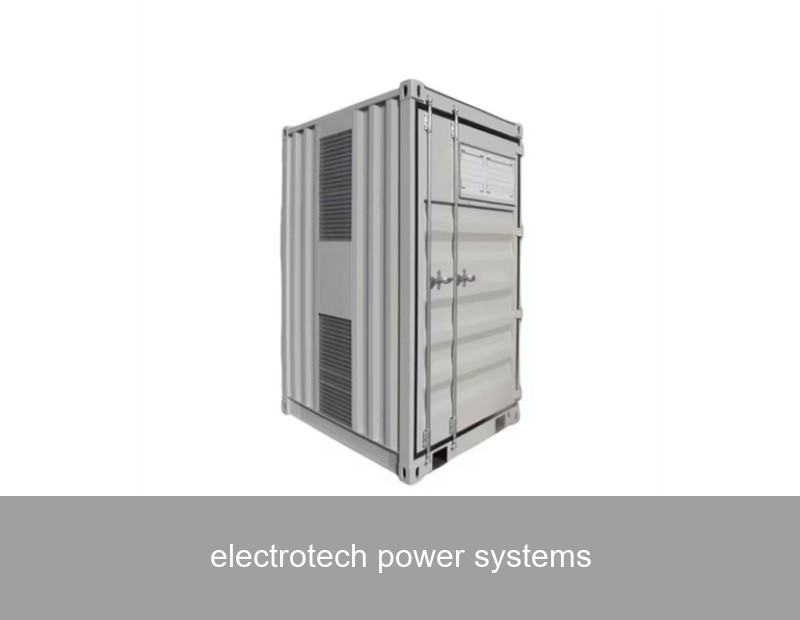
You've likely heard the ambitious goals: powering our homes, businesses, and industries with clean, renewable energy. But have you ever wondered what makes this transition from fossil fuels not just possible, but reliable and efficient? The answer lies in the sophisticated, often unseen, world of electrotech power systems. These are the intelligent brains and brawn behind modern energy infrastructure, seamlessly integrating generation, storage, and consumption. As the grid evolves from a one-way street to a dynamic, two-way network, these advanced systems are no longer a luxury—they are the critical foundation for a sustainable and resilient energy future.
Table of Contents
- The Modern Energy Challenge: More Than Just Solar Panels
- What Are Electrotech Power Systems, Really?
- The Data: Why Intelligence is Non-Negotiable
- Case Study: A German Manufacturing Plant's Journey to Resilience
- Highjoule's Role: Building Smarter Electrotech Ecosystems The Open Question: Is Your Energy Strategy Ready for the Future?
The Modern Energy Challenge: More Than Just Solar Panels
The phenomenon is clear. Across Europe and the U.S., rooftops are gleaming with solar panels, and wind farms dot the landscapes. Renewable generation is skyrocketing. However, this success introduces a new set of complexities. The sun doesn't always shine, and the wind doesn't always blow, creating intermittency. Conversely, sometimes they generate too much power, risking grid overload. This volatility challenges the old-grid model, which was built for steady, predictable power from large plants.
Think of it like this: we're moving from a system where we pour a constant, steady stream of water (power) from a few large jugs (power plants), to one where we collect thousands of unpredictable raindrops (renewables). To make this work, we need more than just buckets (solar arrays); we need smart reservoirs, pipes, and valves to collect, store, and release water on demand. That's precisely the role of advanced electrotech power systems.
What Are Electrotech Power Systems, Really?
At its core, an electrotech power system is an integrated suite of hardware and software that manages electrical energy. It goes far beyond simple wiring. For commercial, industrial, and microgrid applications, a modern system typically includes:
- Advanced Energy Storage (BESS): The heart of stability. High-capacity battery systems store excess renewable energy for use when generation is low.
- Intelligent Power Conversion: Sophisticated inverters and converters that don't just change DC to AC, but actively manage power quality, frequency, and grid support functions.
- Energy Management System (EMS): The "brain." This software platform uses AI and real-time data analytics to forecast energy production and demand, optimize storage cycles, and control all assets for maximum economic and operational efficiency.
- Grid Integration Interfaces: Safe, compliant connections that allow the system to interact with the public grid, providing services or drawing backup power as needed.

When these components work in harmony, they create a self-optimizing energy ecosystem. This is where companies with deep expertise, like Highjoule, make a tangible difference. Founded in 2005, Highjoule has focused exclusively on designing and deploying such intelligent, integrated electrotech power systems. Our solutions for commercial and industrial clients transform energy from a variable cost into a strategic, controllable asset.
The Data: Why Intelligence is Non-Negotiable
Let's look at the numbers. According to the International Energy Agency (IEA), global grid-scale battery storage capacity is set to multiply nearly 35 times by 2030. But capacity alone isn't the full story. The value is unlocked through intelligent control. A study by the U.S. National Renewable Energy Laboratory (NREL) found that advanced software controls can increase the value of a solar-plus-storage system by 20-40% by enabling multiple revenue streams, like frequency regulation and demand charge management.
Simply put, a battery without smart software is like a powerful computer without an operating system—it has potential, but can't perform complex tasks. The true power of electrotech power systems is this synergy of hardware and predictive intelligence.
Case Study: A German Manufacturing Plant's Journey to Resilience
Let's make this concrete with a real-world example from our work at Highjoule. A mid-sized automotive parts manufacturer in Bavaria, Germany, faced a triple challenge: rising grid energy costs, stringent corporate decarbonization targets, and the need for uninterrupted power for sensitive machinery.
The Phenomenon: Their existing rooftop solar PV system often produced more energy at midday than the factory could use, exporting it at low feed-in tariffs. Yet, they still drew expensive power from the grid during morning and evening peaks, and remained vulnerable to outages.
The Highjoule Solution: We deployed a tailored electrotech power system centered on our H-Joule Quantum BESS (a containerized, liquid-cooled lithium-ion battery system) and governed by our proprietary Neuron EMS platform. The system was integrated with their existing solar PV and factory load.
The Data & Results (12-month period):
| Metric | Before Installation | After Installation |
|---|---|---|
| Grid Energy Cost | €285,000 annually | €178,000 annually |
| Renewable Self-Consumption | 35% of solar generation | 89% of solar generation |
| Demand Charge Peaks | Consistently high | Reduced by 60% |
| Backup Power | None (vulnerable) | Critical load backup for 6+ hours |
The Insight: The system didn't just save money. It created energy autonomy. The Neuron EMS actively forecasts solar production and factory schedules, deciding the optimal second to store, use, or even sell a small amount of power back to the grid. The plant manager now views energy not as a bill, but as a managed process, enhancing both sustainability and operational competitiveness.
Highjoule's Role: Building Smarter Electrotech Ecosystems
As this case shows, the value is in the seamless integration. Highjoule acts as a single-point provider for this complex integration. Our service portfolio spans the entire lifecycle:
- Consultation & Custom Design: We analyze your energy profile, goals, and site specifics to model the optimal system architecture.
- Technology Agnostic Integration: We can integrate with leading solar inverters, battery chemistries, and existing infrastructure, avoiding vendor lock-in.
- Neuron Energy Management Platform: The cloud-based AI "brain" that provides real-time monitoring, predictive analytics, and automated optimization for financial and energy goals.
- Ongoing Performance Management: Our team provides remote support and performance reviews to ensure your electrotech power system continues to deliver maximum ROI year after year.
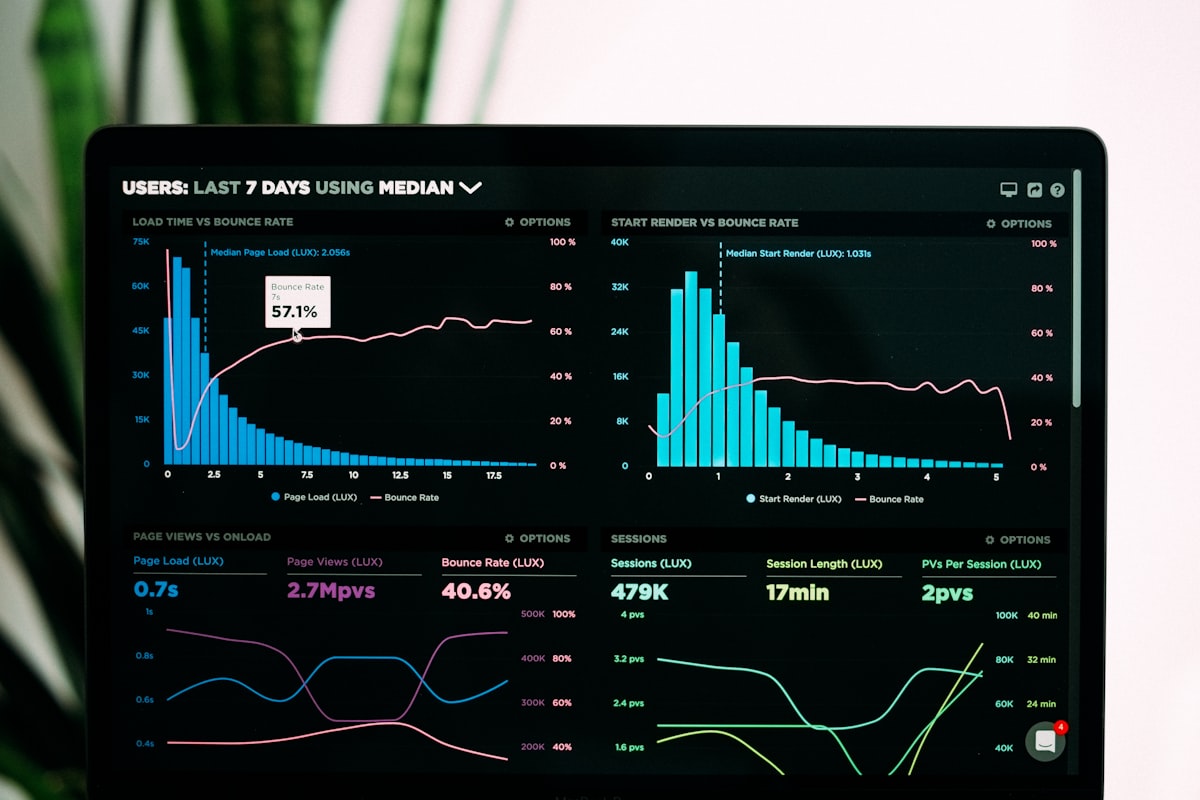
For microgrid projects, such as remote communities or critical infrastructure, our systems provide complete energy independence, capable of operating in "island mode" disconnected from the main grid. This level of sophistication is what defines the next generation of electrotech power systems.
The Open Question: Is Your Energy Strategy Ready for the Future?
The energy landscape is shifting from a commodity model to a technology-driven, strategic one. With volatility in energy prices and increasing policy pressures for decarbonization, the question for business leaders and facility managers is no longer if to invest in smart energy infrastructure, but how and when.
What specific energy challenge—be it cost predictability, sustainability mandates, or resilience against outages—is most critical for your operations to address in the next 18 months, and what is the first step you need to take to explore how an intelligent electrotech power system could be the solution?
 Inquiry
 Online Chat