


Unleashing Solar Potential: A Deep Dive into Flexible Solar PV Panels
Imagine a solar panel that bends, curves, and adapts to surfaces previously deemed impossible. This isn't science fiction; it's the reality of flexible solar PV panels. As the global push for renewable energy intensifies, these lightweight, versatile panels are emerging as a game-changer, unlocking solar power for a myriad of unconventional applications. For homeowners, businesses, and industries across Europe and the US, this technology represents a significant leap towards energy independence and sustainability. But how do they work, and are they the right choice for your energy needs? Let's explore the innovative world of flexible solar technology and its transformative impact.
Table of Contents
- What Are Flexible Solar PV Panels?
- Key Benefits and Real-World Challenges
- Where Flexible Panels Shine: Perfect Applications
- Case Study: Breathing New Life into a Historic European Building
- The Critical Link: Integrating Flexible Solar with Smart Storage
- The Future Outlook for Flexible Solar Technology
What Are Flexible Solar PV Panels?
Unlike traditional rigid panels framed in aluminum and glass, flexible solar panels are built using thin-film photovoltaic materials or crystalline silicon cells mounted on a malleable substrate. Common technologies include Copper Indium Gallium Selenide (CIGS) or thin-film amorphous silicon. This construction allows them to conform to curved surfaces like RV roofs, boat decks, or specific architectural elements. Their weight is remarkably low—often around 2-4 kg per square meter compared to 15-20 kg for rigid panels—making them ideal for structures with weight limitations.

Image: A flexible solar panel installation on a curved surface. Source: Unsplash (Representative image)
Key Benefits and Real-World Challenges
The appeal of flexible panels is clear, but a balanced view is crucial for making an informed decision.
Major Advantages:
- Versatility & Aesthetics: They can be installed on curved roofs (e.g., caravan, boat), tinted windows, or heritage buildings where visual impact is a concern.
- Lightweight & Low-Profile: Minimal structural reinforcement is needed, and they lie almost flat against the surface.
- Portability: Perfect for mobile applications, remote power for camping, or temporary installations.
- Durability: Many are built with robust polymer layers that resist hail and minor impacts better than glass.
Considerations to Keep in Mind:
- Efficiency: Generally, flexible panels have lower conversion efficiency (15-19% for advanced types) compared to premium rigid panels (22%+). You may need more surface area for the same power output.
- Longevity & Degradation: They can have a higher annual degradation rate (up to 1-2%) and often come with shorter warranties (10-15 years) than the 25+ year standard for rigid panels.
- Cost per Watt: The specialized technology often commands a higher price point per watt of capacity installed.
Where Flexible Panels Shine: Perfect Applications
The true value of flexible solar PV panels is realized in niche applications where traditional panels fail. Here are the ideal use cases:
| Application | Why Flexible Panels Are Ideal |
|---|---|
| Recreational Vehicles (RVs) & Boats | Conforms to curved roofs, lightweight, and withstands vibration. |
| Commercial Vehicles & Trucking | Powers liftgates and refrigeration units, reducing idle fuel costs. |
| Architecturally Sensitive Buildings | Low visual impact on historic or curved modern buildings. |
| Industrial Roofing (e.g., Thin-Skin Metal) | Can be directly adhered to roofs unable to bear heavy racking systems. |
| Off-Grid & Portable Power | Easy to transport and set up for remote sites, events, or emergency power. |
Case Study: Breathing New Life into a Historic European Building
Let's look at a real-world example from the UK. A 19th-century warehouse in Bristol, now converted into modern offices, faced a dilemma. The building's curved, corrugated iron roof was unsuitable for standard solar arrays due to weight restrictions and preservation guidelines. The goal was to reduce grid reliance and cut energy costs without compromising the building's character.
The Solution: A 25 kW system using high-efficiency flexible CIGS panels was directly adhered to the roof's surface. No drilling or heavy racking was required. To maximize the value of the generated solar energy, the system was integrated with a Highjoule HI-Stack Commercial Battery Energy Storage System (BESS).
The Data-Driven Outcome (12-month period):
- Solar Generation: 21,500 kWh of clean electricity produced. Storage Utilization: The Highjoule BESS stored excess midday production, increasing on-site consumption from ~40% to over 85%.
- Cost Savings: Reduced peak-demand charges and time-of-use costs resulted in a 32% decrease in annual electricity bills.
- Aesthetic Result: The panels blended seamlessly, satisfying heritage conservation requirements.
This project highlights that with the right technology partner, even challenging sites can become sustainable power generators. Highjoule's smart storage systems are specifically engineered to pair with variable renewable sources like solar, ensuring every kilowatt-hour is optimized for financial and environmental return. You can read more about the importance of storage for solar integration in this resource from the U.S. Department of Energy.

Image: Modern offices in renovated buildings benefit from integrated solar and storage. Source: Unsplash (Representative image)
The Critical Link: Integrating Flexible Solar with Smart Storage
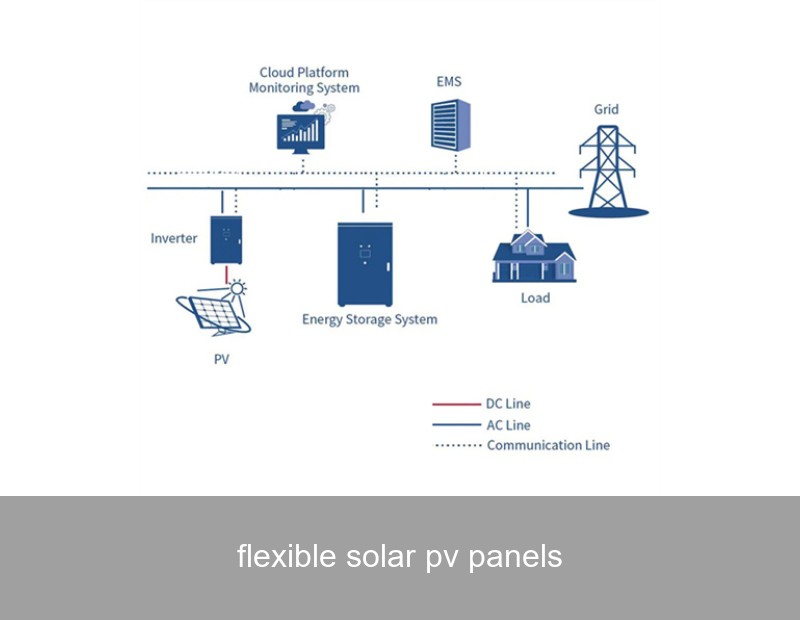
Whether flexible or rigid, the true potential of solar PV is unlocked only when paired with intelligent energy storage. This is where Highjoule's expertise becomes pivotal. Solar production is intermittent; without storage, a significant portion of energy generated during midday may be exported to the grid at low rates, only for you to buy it back at night at a higher price.
Highjoule's residential and commercial battery systems, like the HI-Power Home Battery and the scalable HI-Stack BESS, solve this. They store surplus solar energy for use when the sun isn't shining, providing:
- Energy Bill Optimization: Maximize self-consumption and reduce peak demand charges.
- Backup Power: Maintain critical loads during grid outages.
- Grid Services: For larger systems, participate in grid stability programs (where available).
Our systems feature advanced energy management software that learns your consumption patterns and automatically decides when to store, use, or (if allowed) export energy, ensuring you get the maximum economic benefit from your flexible solar investment. For a deeper understanding of battery technologies, consider this overview from ScienceDirect on electrical energy storage.
The Future Outlook for Flexible Solar Technology
Research in perovskite solar cells and advanced CIGS formulations promises higher efficiencies and longer lifespans for flexible panels. As demand grows for building-integrated photovoltaics (BIPV), we expect these panels to become more common in architectural designs, turning entire building envelopes into power generators. The key to harnessing this future lies in a holistic system approach—combining innovative generation with smart storage and energy management.
Highjoule's Role in Your Energy Journey
Since 2005, Highjoule has been at the forefront of advanced energy storage solutions. We understand that every project is unique, whether it's a historic building with a curved roof, a modern factory with weight limits, or a home seeking resilience. Our team provides end-to-end support—from technical assessment of pairing flexible PV with our storage units, through system design, installation, and long-term monitoring. We don't just sell batteries; we deliver customized, intelligent power solutions for commercial, industrial, residential, and microgrid applications.

Image: Monitoring and maintaining a modern battery energy storage system. Source: Unsplash (Representative image)
So, as you consider the possibilities of flexible solar PV panels for your unconventional project, we leave you with this question: How will you capture the sun's energy on surfaces you once thought impossible, and what role should intelligent storage play in making that energy truly reliable and cost-effective?
 Inquiry
 Online Chat