


Grid-Tie Energy Storage Cabinet: The Solar Power Game-Changer for Modern Energy Independence
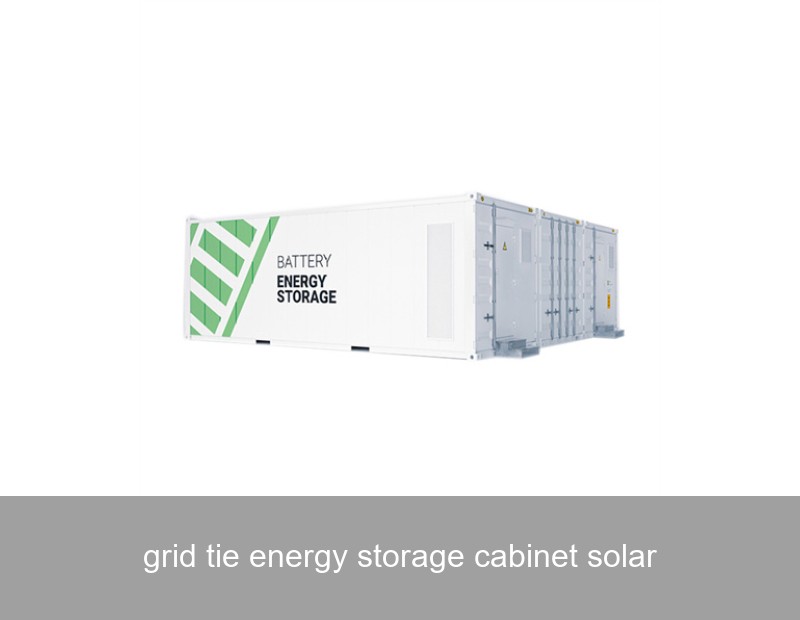
Imagine your solar panels working overtime, not just when the sun is shining, but 24/7, maximizing every drop of energy they produce. This isn't a future dream; it's the reality enabled by a grid-tie energy storage cabinet. For homeowners and businesses across Europe and the US, pairing solar with intelligent storage is no longer a luxury—it's a strategic move towards resilience, savings, and true energy autonomy. This article dives deep into how this technology works, why it's essential, and how it's reshaping our relationship with the grid.
Table of Contents
What is a Grid-Tie Energy Storage Cabinet?
Let's break it down. A grid-tie energy storage cabinet is a sophisticated, all-in-one unit that houses the brains and brawn of your solar power system. It integrates high-capacity batteries, advanced power conversion systems (PCS), and intelligent energy management software. Unlike an off-grid system, it remains connected to the main utility grid. Its primary job? To store excess solar energy you generate during the day for use at night, during peak rate periods, or during a grid outage. Think of it as a high-tech energy savings account for your home or business.
Companies like Highjoule have pioneered this space, offering robust and smart storage solutions. Highjoule's GridMaster Pro series, for instance, is a prime example of a modern grid-tie cabinet. It's designed for seamless integration with new or existing solar arrays, providing not just storage but also real-time monitoring and grid services capabilities, turning a passive consumption point into an active energy asset.

Image: A residential solar and storage setup. Source: Unsplash (Photographer: Vivint Solar)
The Solar Paradox: Generating Power When You Don't Need It
Here's the common challenge many solar adopters face, often called the "duck curve" phenomenon. Your solar panels are most productive in the middle of the day when you're likely at work or using minimal electricity. You end up exporting a large surplus to the grid, often for a modest feed-in tariff. Then, in the evening when everyone is home, demand spikes, the sun is down, and you're forced to buy back expensive electricity from the utility.
The data is stark. In California, the California Independent System Operator (CAISO) has famously charted the deepening "duck curve," showing the steep ramp-up required from non-solar sources in the evening. This imbalance strains the grid and limits the full financial and practical benefits of your solar investment. You have the generation; you just lack the right "container" for its bounty.
The Intelligent Solution: How a Storage Cabinet Works
This is where the intelligent grid-tie cabinet enters, transforming a one-way solar system into a dynamic, two-way energy hub. The process follows a smart, automated logic:
- Harvest & Store: During peak sunlight, your solar panels generate more power than your home consumes. Instead of sending it all to the grid, the excess energy is diverted to charge the batteries within the storage cabinet.
- Monitor & Manage: An integrated Energy Management System (EMS) constantly analyzes your consumption patterns, utility rate schedules (like Time-of-Use rates), and weather forecasts.
- Discharge & Optimize: When needed—be it during high-rate peak hours, at night, or when the grid fails—the system automatically discharges stored energy to power your critical loads. This maximizes self-consumption and minimizes grid imports.
Highjoule's systems take this further with features like virtual power plant (VPP) readiness. This means, with your consent, your storage cabinet can aggregate with others to support grid stability during extreme demand, potentially earning you additional revenue. It's a win-win for you and the community.
| Feature | Solar-Only System | Solar + Grid-Tie Storage Cabinet |
|---|---|---|
| Energy Self-Consumption | Typically 30-50% | 70-90% or more |
| Bill Savings During Peak Rates | Limited | Maximized |
| Backup Power During Outages | No (grid-tie inverters shut off) | Yes (seamless transition) |
| Grid Support & Revenue Potential | Minimal | Yes, through VPP programs |
| Return on Investment (ROI) | Slower, dependent on feed-in tariffs | Faster, via avoided costs and incentives |
Real-World Impact: A Case Study from California
Let's move from theory to practice. Consider a medium-sized commercial bakery in San Diego, California. They installed a 100 kW solar array but faced high demand charges and evening operation costs. Their goal was to reduce operational costs and ensure continuity for refrigeration loads.
The Solution: They integrated a Highjoule GridMaster Pro 100 cabinet with 200 kWh of storage capacity. The system was programmed to prioritize charging from solar, then discharge during the 4 PM to 9 PM peak window (when local utility SDG&E's rates are highest) and provide backup for critical refrigeration.
The Data-Driven Results (after 12 months):
- Energy Bill Reduction: Overall electricity costs decreased by 68%.
- Demand Charge Mitigation: Peak demand drawn from the grid was slashed by 75%, a major cost saver.
- Self-Consumption Rate: Increased from 40% to 85% of their solar generation.
- ROI Timeline: Projected payback period was reduced from 7 years to under 4.5 years, thanks to California's Self-Generation Incentive Program (SGIP).
This case exemplifies the tangible, bottom-line benefits a grid-tie storage cabinet delivers, transforming a cost center into a strategic asset.

Image: A technician performing maintenance on a commercial-scale battery storage system. Source: Unsplash (Photographer: American Public Power Association)
Choosing the Right System: Key Considerations
Not all storage cabinets are created equal. When evaluating a system, ask these critical questions:
1. Battery Technology & Longevity
Most modern systems use Lithium Iron Phosphate (LFP) chemistry, known for its safety, long cycle life, and stability. Look for a warranty that guarantees a high percentage of original capacity (e.g., 70%) after 10 years or thousands of cycles. Highjoule's batteries, for example, are built with tier-1 LFP cells and come with a robust performance warranty, ensuring long-term value.
2. Power Rating vs. Energy Capacity
Understand the difference: Power (kW) is how much electricity can flow at once (like the size of a pipe), determining what appliances you can run simultaneously. Energy (kWh) is the total amount stored (like the water in the tank), determining how long you can run them. A good cabinet offers a balanced, scalable configuration.
3. Integration Intelligence
The software is as crucial as the hardware. Can it integrate with your existing solar inverters? Does it offer user-friendly monitoring via an app? Can it adapt to changing utility rates automatically? Highjoule's EnergyOS platform provides this level of smart, adaptive control, making energy optimization effortless.
The Future of Energy is Decentralized and Smart
The convergence of solar PV, intelligent grid-tie storage, and smart software is creating a new energy paradigm. We're moving away from a centralized, one-way grid to a resilient network of millions of interactive prosumer sites. Your grid-tie energy storage cabinet is the cornerstone of this transition at your property.
It's about more than just backup; it's about active participation. With policies like the EU's Green Deal and the US Inflation Reduction Act boosting storage adoption, the economic and environmental case has never been stronger. The question is no longer "Why should I get storage?" but rather...
What's holding you back from auditing your energy use to see how much a Grid-Tie Energy Storage Cabinet could save and secure for your home or business today?
 Inquiry
 Online Chat