


Unlocking Energy Independence: The Power of a Hybrid Solar BESS 3-Phase System
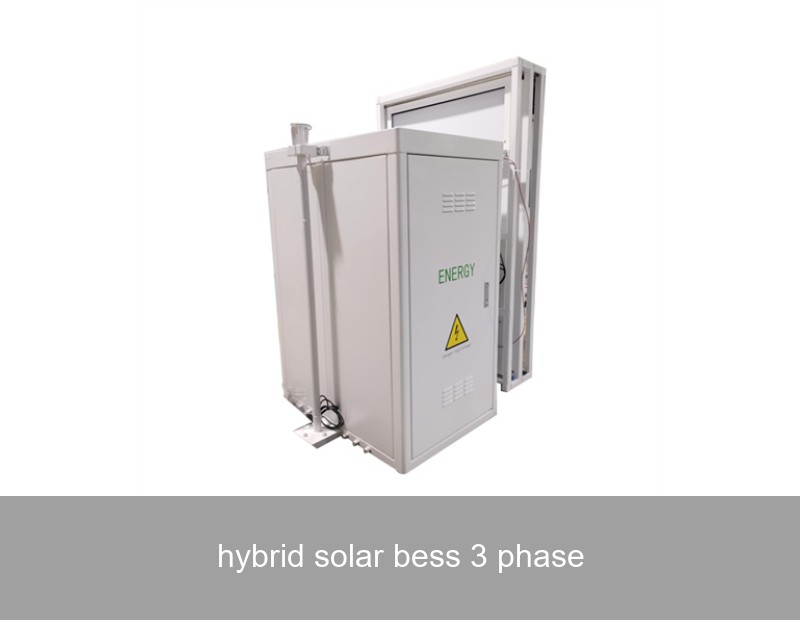
Imagine a world where your business or home isn't just powered by the sun, but is also resilient against grid outages and soaring energy prices. This isn't a distant future; it's the reality enabled by a sophisticated hybrid solar BESS 3-phase energy solution. For commercial and industrial operations, as well as larger residential estates, managing a 3-phase electrical supply efficiently is crucial. A hybrid system that seamlessly integrates solar panels, a battery energy storage system (BESS), and a smart inverter capable of handling three-phase power is the key to unlocking true energy autonomy, stability, and significant cost savings. As a global leader in advanced energy storage since 2005, Highjoule specializes in designing and deploying these intelligent systems that empower businesses and communities across Europe and the US to take control of their power.
Table of Contents
- The Three-Phase Power Challenge: Beyond Simple Solar
- What is a Hybrid Solar BESS 3-Phase System?
- Key Benefits: Why Your Business Needs This System
- A Real-World Case Study: Precision Manufacturing in Germany
- The Highjoule Solution: Intelligent Power Management
- Making the Switch: Key Considerations
The Three-Phase Power Challenge: Beyond Simple Solar
Most homes run on single-phase power, but step into any factory, farm, data center, or large commercial building in Europe or the US, and you'll find a 3-phase electrical supply. It's the workhorse of industry, providing the stable, high-power delivery needed for heavy machinery, HVAC systems, and intensive computing. The challenge? Traditional solar-plus-storage setups often fall short here. A simple retrofit might only address one phase, leaving the other two reliant on the grid, or worse, causing dangerous phase imbalances that can damage equipment and incur penalties from utilities.
The phenomenon is clear: companies with high energy demands and 3-phase infrastructure want to go green and reduce costs, but they hit a technical wall. The data underscores this need. According to the International Energy Agency (IEA), global renewable capacity is set to expand by 2.5 times by 2030, with solar PV leading the charge. However, integrating this intermittent power into robust industrial grids requires more than just panels; it requires intelligent, phase-balanced storage.

This is where the hybrid solar BESS 3-phase system becomes non-negotiable. It's not merely an upgrade; it's a fundamental re-architecture of how a facility interacts with energy generation, consumption, and the grid.
What is a Hybrid Solar BESS 3-Phase System?
Let's break down this powerful acronym:
- Hybrid: The system operates in multiple modes. It can use solar power directly, charge batteries with excess solar, discharge batteries during peak hours or outages, and interact with the grid—all automatically.
- Solar PV: The primary generation source, converting sunlight into electricity.
- BESS (Battery Energy Storage System): The heart of resilience. Typically using lithium-ion technology (like LiFePO4 for safety and longevity), it stores surplus solar energy for later use.
- 3-Phase: The system's brain and brawn—a sophisticated inverter/charger that manages energy flow across all three phases simultaneously, ensuring perfect balance and seamless integration with your existing electrical panel.
Think of it as an intelligent energy conductor. It doesn't just produce and store power; it orchestrates it in real-time, prioritizing self-consumption, protecting sensitive machinery from grid fluctuations, and providing a silent, instant backup power source.
Key Benefits: Why Your Business Needs This System
Investing in a properly engineered 3-phase hybrid system delivers tangible returns:
| Benefit | Impact |
|---|---|
| Maximized Self-Consumption & ROI | Store excess daytime solar for use in the evening, reducing reliance on expensive grid power and accelerating payback time. |
| Peak Shaving & Demand Charge Reduction | Automatically use stored energy during periods of high grid demand, slashing costly "demand charges" that can constitute up to 50% of a commercial electricity bill. |
| Uninterruptible Power Supply (UPS) | Provides critical backup during grid outages, preventing costly downtime, data loss, and production halts. Transition is seamless (<20ms). |
| Grid Support & Phase Balancing | Advanced systems can inject or absorb power to stabilize the local grid and correct imbalances between phases, enhancing overall power quality. |
| Sustainability Leadership | Dramatically reduces carbon footprint and aligns with corporate ESG (Environmental, Social, and Governance) goals. |
A Real-World Case Study: Precision Manufacturing in Germany
Let's move from theory to practice. A mid-sized automotive parts manufacturer near Stuttgart faced volatile energy costs and stringent requirements for power quality to maintain its CNC machining precision. Their goals were clear: reduce energy expenses, ensure production continuity, and contribute to sustainability targets.
The Solution: Highjoule engineered and deployed a turnkey hybrid solar BESS 3-phase system featuring:
- A 250 kWp rooftop solar array.
- A 360 kWh Highjoule Titan BESS cabinet using LiFePO4 chemistry.
- Three parallel Highjoule Nexus 100 kW hybrid inverters, configured for 3-phase operation.
- Highjoule's proprietary Energy Management System (EMS) for smart control.
The Data-Driven Results (12-month period):
- Energy Cost Reduction: 68% decrease in grid electricity purchases.
- Demand Charge Savings: Peak power draw from the grid reduced by 40%, saving tens of thousands of euros annually.
- Self-Consumption Rate: Increased from 35% (solar only) to over 85% (with BESS).
- Reliability: Successfully rode through 4 grid disturbances with zero production impact.
- Carbon Reduction: Estimated 210 tonnes of CO2 avoided.
This case, mirrored by many across our European and North American deployments, proves that a hybrid solar BESS 3-phase system is a strategic asset, not just an overhead cost.

The Highjoule Solution: Intelligent Power Management
At Highjoule, we understand that no two facilities are alike. Our approach goes beyond selling hardware; we provide a complete, intelligent power solution tailored to your load profile, tariff structure, and resilience needs. Our hybrid solar BESS 3-phase systems are built around our core technologies:
- Highjoule Nexus Hybrid Inverter: The robust 3-phase brain that manages AC/DC conversion, grid interaction, and backup switching with military-grade precision.
- Highjoule Titan BESS: Our modular, containerized or cabinet-style storage units. Featuring UL1973 and IEC62619 certified LiFePO4 battery cells, they are designed for safety, scalability, and a long cycle life of 6000+ cycles.
- Highjoule Aegis EMS: The software intelligence. This platform uses AI-driven forecasting and real-time optimization to make decisions that maximize your financial return and energy independence. You can monitor and control everything from a simple dashboard, accessible from any device.
Our services encompass initial consultancy and energy analysis, custom system design, professional installation, grid compliance support (like G99 in the UK or UL9540 in the US), and ongoing remote monitoring and maintenance. We partner with you for the lifecycle of your system.
Making the Switch: Key Considerations
Ready to explore a hybrid solar BESS 3-phase system for your operation? Here are the first steps:
- Energy Audit: Analyze 12 months of utility bills to understand your consumption patterns, peak demand, and tariff structure.
- Site Assessment: Evaluate roof or ground space for solar, and electrical room space for the BESS and inverters.
- Regulatory Landscape: Investigate local grid connection rules, incentives (like tax credits or feed-in tariffs), and permitting requirements. Resources like the Database of State Incentives for Renewables & Efficiency (DSIRE) are invaluable for the US market.
- Partner Selection: Choose an experienced provider like Highjoule with a proven track record in 3-phase system integration, not just residential kits.
The journey to energy resilience is a strategic one. With the right technology and partner, your facility can transform from a passive energy consumer into an active, intelligent energy hub.

What would the ability to lock in your energy costs for the next 20 years and protect your core operations from grid instability mean for the future of your business?
 Inquiry
 Online Chat