


How an Oil Well Remote Monitoring System is Powering a Sustainable Energy Future
Imagine an oil field sprawling across hundreds of miles. Now, imagine managing its critical operations, not from a noisy control room on-site, but from a quiet, efficient hub hundreds of miles away. This isn't science fiction; it's today's reality powered by the oil well remote monitoring system. For decades, the energy sector has been on a relentless quest for efficiency, safety, and cost reduction. Today, that quest is undergoing a profound transformation, driven by digitalization and a surprising ally: advanced energy storage. As we move towards a more integrated energy landscape, the tools that optimize fossil fuel extraction are becoming unexpectedly crucial for enabling a renewable future. Let's explore how.
Table of Contents
- The Phenomenon: From Reactive to Proactive Field Management
- The Data: Quantifying the Impact of Remote Oversight
- The Power Core: Why Uninterrupted Energy is Non-Negotiable
- Highjoule's Role: Powering Critical Monitoring Infrastructure
- A Case Study: The North Sea Digital Transformation
- Broader Insights: A Bridge to a Greener Grid
- Looking Ahead: Your Field's Next Evolution
The Phenomenon: From Reactive to Proactive Field Management
Traditionally, oil well management relied on manual checks, periodic maintenance schedules, and often, reactive responses to equipment failures. This approach was not only labor-intensive but also fraught with risks—safety incidents, unplanned downtime, and significant production losses. The oil well remote monitoring system has flipped this script. By deploying a network of sensors on wells, pumps, pipelines, and other assets, these systems collect real-time data on pressure, temperature, flow rates, vibration, and equipment health. This data is then transmitted via satellite or cellular networks to a centralized dashboard, enabling engineers to manage assets proactively.
The Data: Quantifying the Impact of Remote Oversight
The benefits aren't just theoretical. Industry analyses consistently show staggering improvements. For instance, a report by the International Energy Agency (IEA) highlights that digitalization in oil and gas can reduce production costs by 10-20% and cut methane emissions by up to 90% through early leak detection. Consider these tangible outcomes:
- Downtime Reduction: Predictive maintenance can decrease unplanned downtime by up to 50%.
- Safety Enhancement: Remote monitoring reduces the need for personnel in hazardous zones, directly lowering exposure to risks.
- Emission Control: Continuous monitoring of flares and vents allows for immediate corrective action, slashing greenhouse gas emissions.
However, this digital nervous system has one absolute, non-negotiable requirement: a rock-solid, uninterrupted power supply.
The Power Core: Why Uninterrupted Energy is Non-Negotiable
An oil well remote monitoring system is only as reliable as its power source. Many well sites are in remote, off-grid, or harsh environments where the main grid is unreliable or non-existent. A power flicker or outage doesn't just mean a temporary data gap; it can mean losing visibility into a critical pressure build-up or a pump failure, leading to environmental incidents or costly repairs. Traditionally, sites have relied on diesel generators. But they are noisy, polluting, require frequent refueling (a logistical nightmare and cost sink), and are prone to failure if not meticulously maintained.
This is where the energy storage revolution enters the oil field. Modern battery energy storage systems (BESS) are becoming the backbone for reliable remote operations.
Highjoule's Role: Powering Critical Monitoring Infrastructure
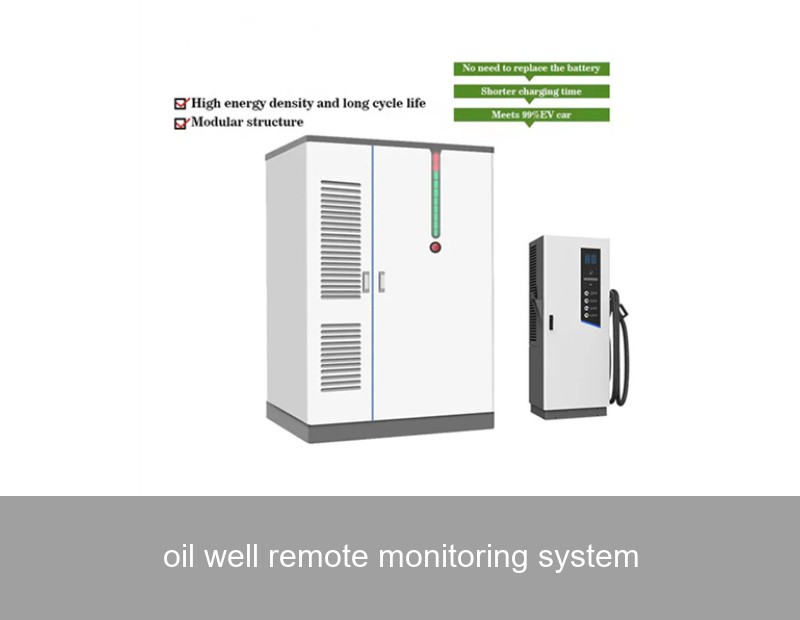
At Highjoule, we understand that power resilience is the foundation of any critical monitoring operation. Our expertise in designing and deploying robust energy storage solutions directly supports the reliability of oil well remote monitoring systems. Our H-Joule Cube Commercial & Industrial (C&I) series is specifically engineered for harsh, remote environments.
How does a Highjoule system integrate and empower remote monitoring?
- Uninterruptible Power Supply (UPS): Our BESS provides seamless backup power, ensuring sensor networks, communication gateways, and control systems never go offline, even during primary power source switch-overs or failures.
- Hybrid Power Optimization: We integrate with existing solar arrays or wind turbines and diesel generators. Our intelligent energy management system prioritizes clean solar/wind power, uses the battery to "firm" this renewable generation, and only calls on the generator as a last resort. This drastically reduces fuel consumption, carbon footprint, and maintenance cycles.
- Extreme Environment Ready: Built with robust thermal management and enclosures rated for wide temperature ranges (-30°C to 50°C), corrosion, and dust, ensuring operation in desert heat or arctic cold.
- Remote Management: Ironically, we use similar telemetry principles to monitor the health of our own battery systems. You can track state-of-charge, performance, and receive predictive maintenance alerts through our cloud platform, ensuring the power behind your monitoring is itself perfectly monitored.

Modern hybrid power systems combining solar, batteries, and backup generation are enabling reliable operations in the most remote locations.
A Case Study: The North Sea Digital Transformation
Let's look at a real-world application. A major operator in the North Sea aimed to digitalize a cluster of 15 unmanned satellite platforms. The goal was to implement a comprehensive oil well remote monitoring system to optimize production and defer costly manned inspections. The core challenge? These platforms had limited, aging power infrastructure primarily based on diesel.
| Challenge | Solution | Quantifiable Outcome (After 18 Months) |
|---|---|---|
| Unreliable power for continuous data transmission. | Deployment of Highjoule H-Joule Cube C&I systems on each platform, integrated with existing diesel gensets and new small-scale wind turbines. | 99.99% uptime achieved for the monitoring network. |
| High OPEX from diesel fuel and transport. | Intelligent cycling between wind power, battery storage, and diesel. | Diesel fuel consumption reduced by 68%, saving over €280,000 annually. |
| Need for predictive maintenance capabilities. | Continuous power enabled vibration and thermal sensors on critical pumps. | Two major pump failures predicted and prevented, avoiding an estimated €1.2M in lost production and repair costs. |
| Carbon emission targets. | Reduced diesel runtime directly cut emissions. | Approximately 850 tonnes of CO2e saved annually. |
This case, documented in part by the Oil and Gas Climate Initiative (OGCI), illustrates that the enabling technology—advanced, resilient energy storage—is what allows the digital monitoring system to deliver its full financial and operational value.
Broader Insights: A Bridge to a Greener Grid
Here's the fascinating insight: the technology and expertise honed in providing resilient power for oil well remote monitoring systems are the same that accelerate the renewable energy transition. At Highjoule, we see this daily. The microgrids we build for remote industrial sites are conceptually identical to those powering remote communities with solar-plus-storage or stabilizing grids with utility-scale battery farms.
Furthermore, as oil and gas companies diversify into energy companies, they are leveraging their vast land holdings and expertise in managing distributed energy assets. A field deployed with monitoring infrastructure and a distributed network of hybrid power systems (solar + storage) could, in a future phase, contribute power back to the local grid or produce green hydrogen. The remote monitoring system initially installed to optimize hydrocarbon production becomes the nervous system for managing a diversified, lower-carbon energy asset portfolio.

The principles of remote monitoring and decentralized power management are scaling from single well sites to vast renewable energy plants.
Looking Ahead: Your Field's Next Evolution
The journey from manual checks to a fully digital, remotely monitored field is a clear path to efficiency and sustainability. But its success hinges on solving the fundamental power challenge. Whether you are retrofitting existing wells or planning new, digitally-native fields, the question of how to power your critical data infrastructure is paramount.
Is your current remote operations strategy being held back by unreliable power? Could the savings from reduced diesel spend and prevented downtime fund the transition to a more resilient, hybrid energy system for your monitoring assets?
 Inquiry
 Online Chat