


Solar Batteries in Zimbabwe: Powering Resilience and Growth
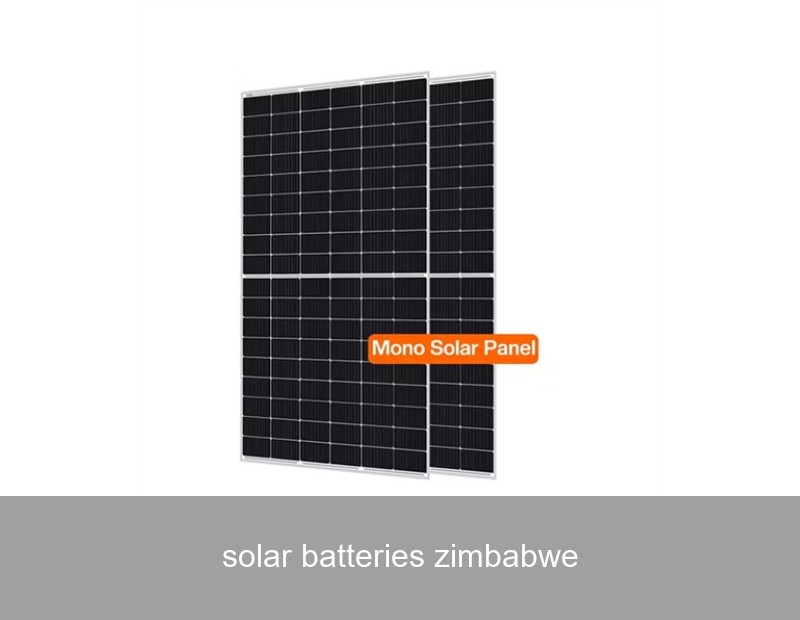
Imagine a hospital performing critical surgery, a student studying for exams, or a small business owner running a shop—all brought to a halt not by choice, but by a power cut. This is a frequent reality in Zimbabwe, where load-shedding and an unreliable grid have become part of daily life. Yet, in this challenge lies a powerful opportunity. The conversation around energy independence is shifting, and at its heart are solar batteries in Zimbabwe. More than just backup, they are becoming the cornerstone for a resilient, self-sufficient future. For over 18 years, Highjoule has been at the forefront of this global energy transition, designing intelligent battery energy storage systems (BESS) that turn sunlight into reliable, 24/7 power. Let's explore how this technology is transforming lives and businesses in Zimbabwe.
Table of Contents
- The Power Problem: More Than an Inconvenience
- The Solar Battery Solution: How It Works
- A Zimbabwean Case Study: The Harare Clinic
- Choosing the Right System: Key Considerations
- Highjoule's Role in Empowering Zimbabwe
- The Future of Energy in Zimbabwe
The Power Problem: More Than an Inconvenience
Zimbabwe's energy crisis is well-documented. With peak demand often outstripping supply, scheduled load-shedding can last for over 12 hours a day. This isn't merely about lights going off. The economic and social costs are staggering:
- Business Disruption: SMEs face halted production, lost sales, and damaged equipment.
- Healthcare Risks: Vaccines spoil, life-saving equipment fails, and surgical procedures are interrupted.
- Education Gaps: Students lose valuable study time, widening the digital divide.
The national utility, ZESA, has made efforts to improve, but infrastructure challenges persist. This reality has pushed individuals and businesses to seek their own solutions, primarily through diesel generators. However, generators are costly to run, polluting, and require constant fuel—a resource subject to its own shortages and price volatility. The search for a better alternative naturally leads to solar power. But here's the catch: solar panels only generate when the sun shines. What happens at night or during cloudy weather? This is where solar batteries become the game-changer.

Image Source: Unsplash - Representative image of solar installation.
The Solar Battery Solution: How It Works
A solar battery system is elegantly simple in its goal: store excess energy for when you need it most. Think of it like a water tank for electricity. Here’s the basic flow:
- Generation: Solar panels convert sunlight into direct current (DC) electricity.
- Conversion: An inverter changes this DC power into alternating current (AC) for your home or business appliances.
- Storage & Management: The crucial third component. Instead of sending excess solar energy back to a shaky grid (if net metering exists) or wasting it, a solar battery bank stores it. An intelligent energy management system, like the one built into every Highjoule unit, decides when to charge the batteries, power your loads, or draw from the grid, ensuring optimal efficiency and protection.
Modern systems, particularly those using Lithium Iron Phosphate (LiFePO4) chemistry—the technology Highjoule specializes in—are safe, have a long lifespan (often over 10 years), and require minimal maintenance. They are a stark contrast to older lead-acid batteries.
A Zimbabwean Case Study: The Harare Family Medical Clinic
Let's move from theory to a real-world example. In 2022, a private family medical clinic in central Harare faced a critical problem. Daily power cuts threatened their refrigeration of medicines and vaccines, disrupted diagnostic equipment, and forced them to turn away patients. Relying on a generator was expensive (over $400 USD monthly in fuel) and noisy, affecting the clinic's environment.
Their solution was a 15kW solar PV array paired with a 25kWh Highjoule IntelliBESS commercial storage system. The results, monitored over one year, were transformative:
| Metric | Before Installation | After Installation |
|---|---|---|
| Grid Power Reliance | 100% (with gaps) | < 20% |
| Monthly Energy Cost | $500+ (Grid + Generator Fuel) | ~$50 (Grid Top-up only) |
| Clinic Operational Hours | Limited to daylight/generator hours | 24/7, including night services |
| Vaccine Storage Security | At high risk | Fully secured with constant temperature |
"The Highjoule system wasn't just a purchase; it was an investment in our patients' safety and our clinic's viability," reported the clinic's managing director. "The intelligent software automatically switches between solar, battery, and grid, ensuring our critical loads are always powered. We've essentially created our own microgrid." This case underscores how solar batteries in Zimbabwe are directly supporting critical infrastructure and saving lives.
Choosing the Right System: Key Considerations
Not all solar battery systems are created equal. For Zimbabwean consumers and businesses, here are the vital factors to consider:
- Battery Chemistry: Opt for LiFePO4. It's safer (thermal runaway resistant), lasts longer, and performs better in heat than other lithium-ion types.
- Depth of Discharge (DoD): A battery with a 90% DoD means you can use 90% of its capacity without harming it. Higher is better.
- Power Rating & Capacity: Power (kW) determines what appliances you can run at once. Capacity (kWh) determines how long you can run them. You need both sized correctly.
- Scalability: Can you add more batteries later as your needs grow? Modular systems are ideal.
- Climate Resilience: Equipment must be robust enough to handle Zimbabwe's temperature variations.
- Intelligent Management: Software that learns your usage patterns and optimizes for cost and efficiency is a force multiplier.
Highjoule's Role in Empowering Zimbabwe
As a global leader founded in 2005, Highjoule understands that solutions for markets like Zimbabwe require more than just hardware; they require adaptation and robust support. Our products are engineered for global standards but configured for local realities.
For the residential sector, our HomePower Series offers scalable, all-in-one units that are simple to install and manage via a smartphone app. They provide peace of mind during outages and significant bill savings.
For businesses and institutions like the Harare clinic, our IntelliBESS Commercial systems are the answer. These modular, high-power systems can be configured from tens to hundreds of kWh, featuring advanced battery management and grid-interactive capabilities. They are designed to ensure business continuity, cut operational costs, and provide a clear return on investment.
Furthermore, Highjoule is actively engaging with partners and developers in Zimbabwe on microgrid solutions. These systems can power a small community, a farm, or an industrial site independently, using a combination of solar, storage, and sometimes other generation sources. This is the future of decentralized energy in Africa. You can learn more about global microgrid trends from the National Renewable Energy Laboratory (NREL).

Image Source: Unsplash - Representative image of a commercial battery energy storage system.
The Future of Energy in Zimbabwe
The trajectory is clear. The declining cost of solar panels and batteries, coupled with rising grid instability, makes solar-plus-storage an increasingly logical economic choice. The International Energy Agency (IEA) has highlighted the massive potential for solar in Africa, noting it's often the lowest-cost source of new electricity generation. When paired with storage, it becomes a reliable one.
We are moving beyond seeing solar batteries in Zimbabwe as just a backup. They are a primary power source for a new energy architecture—one that is decentralized, resilient, and sustainable. This shift empowers individuals, strengthens businesses, and supports national development goals by taking pressure off the central grid.
What does your ideal energy-independent future look like? Is it a home where the lights never flicker during your family dinner, or a factory that runs uninterrupted to meet its orders? The technology to build that future is here today. The question is, what will you power first?
 Inquiry
 Online Chat