


Finding the Right Supplier of High-Temperature Solar Energy Storage
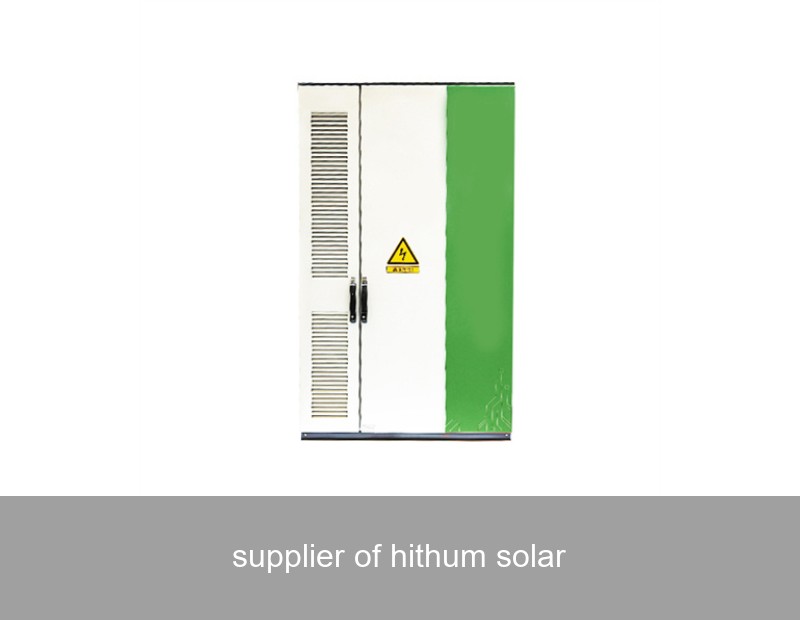
So, you're planning a concentrated solar power (CSP) or an advanced high-efficiency photovoltaic project. You've crunched the numbers, and the potential is huge—higher temperatures mean greater thermodynamic efficiency and, often, more valuable dispatchable power. But here's the catch everyone in the industry whispers about: finding a reliable supplier of high-temperature solar energy storage isn't just about buying a battery. It's about partnering with an engineering team that understands the unique, demanding marriage of intense heat and long-duration storage. The wrong choice here doesn't just lead to underperformance; it can lead to rapid degradation and significant financial risk.
At Highjoule, we've been in the energy storage game since 2005. We've seen the evolution from simple battery backups to today's complex, software-driven systems. And we understand that the world of high-temperature solar (often operating with thermal storage or in harsh, high-ambient environments) is a different beast altogether. This article will guide you through what to look for, the critical questions to ask, and how the right partnership can turn your high-temperature solar project from a calculated risk into a cornerstone of energy resilience.
The High-Temperature Storage Challenge: More Than Just Heat
Let's break down the core challenge. When we talk about high-temperature in this context, we're typically referring to two scenarios:
- Integrated Thermal Energy Storage (TES): Found in CSP plants, where solar heat is stored in mediums like molten salt at temperatures exceeding 565°C (1,049°F) to generate steam for turbines later.
- Electrical Storage in High-Ambient Environments: Think of large-scale photovoltaic (PV) plants in deserts or industrial settings where battery containers can face constant external temperatures of 40-50°C (104-122°F) and need to handle high continuous power output.
The phenomenon is clear: heat accelerates chemical and physical processes. For electrical battery storage, the rule of thumb is that for every 10°C increase above 25°C, the rate of chemical reactions inside a typical lithium-ion battery doubles, potentially halving its calendar life. This isn't just a theoretical concern. A study by the National Renewable Energy Laboratory (NREL) highlights the significant impact of temperature on battery degradation, emphasizing the need for advanced thermal management strategies in utility-scale applications.

Image: Concentrated Solar Power plants require robust thermal and electrical storage solutions. (Photo by American Public Power Association on Unsplash)
Key Considerations for a High-Temperature Solar Storage Supplier
Choosing a supplier isn't about finding the cheapest containerized unit. It's a strategic decision. Here’s a logical ladder to climb in your evaluation:
| Consideration | Why It Matters for High-Temp | Risk of Ignoring It |
|---|---|---|
| Cell Chemistry Expertise | Not all Lithium-ion (or other chemistry) cells are created equal. LFP (Lithium Iron Phosphate) inherently offers better thermal stability and longer lifespan than NMC at higher temperatures. | Premature capacity fade, increased risk of thermal runaway, total system failure. |
| Active Liquid Cooling vs. Air Cooling | In high-ambient environments, passive or simple air cooling is insufficient. A precision liquid cooling system that maintains cell temperature within a ±3°C range is non-negotiable for longevity. | Hot spots develop, leading to accelerated, uneven degradation and safety hazards. |
| Energy Management System (EMS) Intelligence | The EMS must have temperature-aware algorithms. It should pre-cool the battery before high-power events and dynamically adjust charge/discharge rates based on real-time cell temperature, not just state-of-charge. | Suboptimal performance, system stresses the battery during hottest periods, reducing ROI. |
| Containerization & System Integration | The enclosure must be designed for extreme environments—corrosion-resistant, with superior insulation and climate control independent of the battery cooling loop. | External heat soaks in, auxiliary systems fail, increased maintenance costs. |
The Highjoule Solution: Engineered for the Extreme
At Highjoule, we approach the supplier of high-temperature solar storage challenge from first principles. Our systems, like the H-Series Industrial ESS, are built from the ground up for demanding applications. We don't just take an off-the-shelf battery and put it in a hotter box. Our design philosophy integrates three core pillars:
- Proactive Thermal Management: Our patented two-stage liquid cooling system targets heat directly at the cell and module level, ensuring uniform temperature distribution even when external conditions soar. It's like having a precision climate control system for every individual battery cell.
- Chemistry for Durability: We standardize on LFP chemistry for its superior safety profile and thermal resilience. Coupled with our cooling, this extends operational life significantly, protecting your asset investment.
- AI-Powered Predictive Operation: Our Horizon EMS doesn't just react; it learns. By modeling thermal behavior and degradation pathways, it optimizes charge cycles to minimize heat-induced stress, effectively "preserving" your battery's health day after day.
For CSP or hybrid plants, our role as a supplier of high-temperature solar solutions extends to seamless integration. We provide the electrical storage buffer that handles rapid ramping, peak shaving for the steam turbine auxiliaries, and black-start capability, creating a more flexible and resilient power block.
Case Study: Stabilizing an Agri-Solar Hybrid Plant in Andalusia, Spain
Let's look at a real-world application. A large agri-solar facility in southern Spain combined PV generation with on-site agricultural processing—a 24/7 operation. Their challenge was twofold: high ambient temperatures regularly hitting 45°C, and a need for stable power to run refrigeration units for produce regardless of solar intermittency.
The Data:
- Installed Capacity: 2.4 MWh Highjoule H-Series ESS.
- Ambient Temperature Range: -5°C to 48°C annually.
- Primary Duty: Peak shaving (reducing grid demand charges) and providing backup power for critical cold storage.
The Outcome: After 18 months of operation, the system's performance data is telling. While a generic system might have shown 5-7% capacity degradation under such thermal stress, our integrated cooling and EMS strategy has limited measured degradation to under 2%. The plant manager reported not just savings on demand charges but, crucially, zero spoilage events in the cold storage due to power fluctuations. The battery system maintained its rated output even during the peak summer heatwaves, something their previous solution could not achieve. This aligns with findings from the energy storage industry analyses that highlight the critical importance of temperature control for project bankability in sunny regions.

Image: Agri-solar projects in hot climates require storage that can withstand high temperatures. (Photo by Kelly Sikkema on Unsplash)
Making the Right Choice for Your Project
The journey to finding the right supplier of high-temperature solar storage is a technical and commercial deep dive. It requires moving beyond spec sheets to understanding engineering philosophy and long-term performance guarantees.
Ask any potential supplier these pointed questions:
- "Can you show me performance data and degradation curves for a system operating in a similar climate for over 12 months?"
- "What is the temperature delta between the hottest and coldest cell in your rack under full load at 45°C ambient? How is this achieved?"
- "How does your EMS specifically adapt control strategies in response to high cell temperatures?"
- "What is the guaranteed end-of-life capacity after 10 years in my specific climate profile?"
As a global provider with nearly two decades of experience, Highjoule stands ready to answer these questions with data, demonstrations, and unwavering confidence. We believe the right storage solution shouldn't be the weakest link in your high-temperature solar project; it should be its foundation of reliability.
Is the potential of your high-temperature solar project being limited by concerns over storage durability in extreme heat? What specific thermal challenge is your current or planned project facing that keeps you up at night?
 Inquiry
 Online Chat