


The Central Inverter for Solar Power Plant: The Heart of Modern Utility-Scale Solar
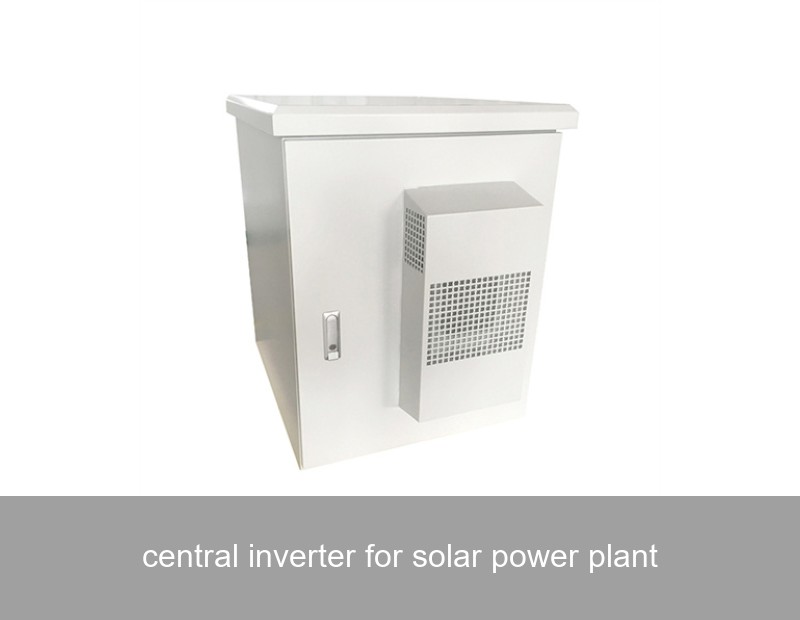
Imagine a vast field of solar panels, silently converting sunlight into electricity. But how does that raw, direct current (DC) power become the alternating current (AC) electricity that powers our homes, factories, and cities? The answer lies in a critical piece of technology: the central inverter for solar power plant. Acting as the project's heart and brain, this single, powerful unit is responsible for the crucial conversion, optimization, and grid connection of energy from thousands of panels. For developers and operators in Europe and the U.S., choosing the right central inverter isn't just a technical detail—it's a fundamental decision impacting the plant's efficiency, reliability, and bottom line for decades.
Table of Contents
What Exactly is a Central Inverter in a Solar Power Plant?
Unlike residential systems that might use a string of microinverters, a utility-scale solar farm typically employs a central inverter for solar power plant operations. This is a large, standalone cabinet (or series of cabinets) often housed in a dedicated inverter station. It aggregates the DC electricity from hundreds of solar panel strings—sometimes spanning entire sections of the farm—and converts it into grid-compliant AC power in one centralized location.
Think of it like a major river delta. Count smaller streams (the DC strings from panels) flow into a single, powerful channel (the central inverter), which then carefully releases the water (AC electricity) into the ocean (the grid) in a controlled and stable manner. This centralized approach offers distinct advantages for large installations, primarily in terms of cost-per-watt, maintenance logistics, and grid management capabilities.
Why Your Central Inverter Choice Directly Impacts Profitability
The phenomenon is clear: solar plant margins are tightening, and every fraction of a percent in performance counts. The data underscores this. According to the National Renewable Energy Laboratory (NREL), inverter-related losses can account for a significant portion of a plant's total energy loss. A central inverter's conversion efficiency, which typically ranges from 98% to 99% for top-tier models, directly translates to megawatt-hours of additional generation over the plant's lifetime.
More critically, the inverter is the primary interface with the grid. Modern grids, especially in Europe and California, require advanced grid-support functions. Can your inverter provide voltage regulation, frequency support, and fault ride-through capabilities? If not, the plant may face curtailment or fail to meet interconnection agreements. This is where the technical prowess of your central inverter becomes a direct financial safeguard.
Key Features to Demand from a Modern Central Inverter
When evaluating a central inverter for solar power plant deployment, look beyond the basic efficiency percentage. Here are the non-negotiable features for a future-proof asset:
- Ultra-High Efficiency & Wide Operating Voltage: Maximizes energy harvest during low-light conditions and across varying panel temperatures.
- Advanced Grid Support (Grid-Forming): The ability to stabilize the grid, a feature moving from "nice-to-have" to mandatory in many regions.
- Robust Durability & Cooling: Designed to operate reliably in harsh environments, from the desert heat of Texas to the variable climates of Central Europe.
- Comprehensive Monitoring & Predictive Analytics: Not just data reporting, but AI-driven insights to predict maintenance needs and prevent downtime.
- Scalability & Serviceability: Modular designs that allow for easy capacity expansion and swift, on-site service to minimize operational disruptions.

Image: A bank of central inverters at a utility-scale solar facility. Source: Unsplash
Case Study: 50MW Plant in Andalusia, Spain - A Data-Driven Turnaround
Let's look at a real-world example. A 50MW solar plant in southern Spain, operational since 2018, was experiencing underperformance against its P50 energy yield forecast. Annual technical audits pointed to underperforming string combiners and, more critically, inverter clipping losses during peak sun hours and higher-than-expected thermal derating.
The operator faced a choice: continue with suboptimal output or invest in a central inverter upgrade. In 2022, they partnered with Highjoule to replace the existing units with our HJ-UtilityMax 2500V Central Inverter system. The results were telling:
| Metric | Before Upgrade | After Upgrade |
|---|---|---|
| Peak Conversion Efficiency | 98.2% | 99.1% |
| Annual Energy Yield | 82 GWh | 86.5 GWh |
| Grid Compliance Events | 12 (previous year) | 0 |
| Estimated Cooling System Energy Use | High | Reduced by 30% |
The 4.5 GWh increase in annual generation, facilitated by the higher efficiency and superior thermal management of the Highjoule inverters, directly boosted the plant's revenue. Furthermore, the enhanced grid-forming capabilities ensured full compliance with the latest Spanish grid codes, eliminating the risk of penalties. This case illustrates that the central inverter is not a "set-and-forget" component but a lever for continuous performance optimization.
Engineered for Scale: Highjoule's Central Inverter Philosophy
At Highjoule, we understand that a central inverter for solar power plant is the cornerstone of your project's long-term value. Our engineering philosophy is built on three pillars: Intelligence, Resilience, and Integration.
Our flagship HJ-UtilityMax Series is designed for the demands of modern multi-megawatt plants. It features a patented hybrid cooling system that eliminates dust-clogging issues common in air-cooled models and reduces the parasitic energy consumption of liquid-cooled ones. More importantly, it comes with the Highjoule GridSynch platform built-in. This isn't just monitoring software; it's an edge-computing system that enables advanced grid services, allowing plant owners to participate in revenue-generating ancillary service markets—a growing opportunity in both the U.S. and European grids.
Our services extend beyond the hardware. We offer comprehensive Grid Code Compliance Support, helping you navigate the complex certification processes in your target market. Our global service network provides 24/7 remote monitoring and can dispatch trained engineers, ensuring that if a question or issue arises, expert help is never more than a call away. We view our role as a long-term technology partner, invested in the success of your asset for its entire operational life.

Image: Technician performing maintenance on a central inverter. Source: Unsplash
The Future is Integrated: Inverters and Beyond
The role of the central inverter is evolving. It's becoming the command center for integrated solar-plus-storage plants. The next-generation central inverter for solar power plant will natively manage DC-coupled battery storage, optimizing charge/discharge cycles to maximize revenue stacking. Looking at trends from the energy storage industry, this integration is key to managing the intermittency of renewables and providing firm, dispatchable power.
Furthermore, with cybersecurity concerns on the rise, the inverter's software and communication protocols are now critical infrastructure. Highjoule designs with security-first principles, adhering to international standards like IEC 62443 to protect your plant from digital threats.
Your Plant's Heartbeat
Selecting the right central inverter is one of the most consequential decisions you'll make. It's a choice between a commodity component and an intelligent system that actively enhances your project's financial and operational resilience. As you plan your next utility-scale project or consider upgrading an existing asset, we invite you to look beyond the spec sheet. What specific grid challenges is your plant in Texas, Italy, or Germany facing? How might your inverter choice today unlock new revenue streams tomorrow?
We'd love to hear your perspective. What's the biggest operational challenge you're currently facing that a smarter central inverter could potentially solve?
 Inquiry
 Online Chat