


Finding the Right iPower Solutions for Sale: A Guide to Modern Energy Independence
Have you ever watched your electricity bill climb with a sense of helplessness, or worried about the impact of a sudden grid outage on your home or business? You're not alone. Across Europe and the US, energy volatility is pushing more people to seek control. The search for reliable, cost-effective, and sustainable power is driving immense interest in advanced iPower solutions for sale. But what exactly are "iPower solutions," and how do you choose the right one? This article cuts through the noise, explaining how intelligent, integrated power systems work and what to look for when investing in your energy future.
Table of Contents
The Rise of Intelligent Power: More Than Just a Battery
The term "iPower" signifies a shift from passive storage to intelligent power management. It's the difference between having a spare fuel tank and having a smart co-pilot that optimizes every drop of fuel for performance, cost, and reliability. The phenomenon is clear: renewable energy adoption is soaring, but the sun doesn't always shine, and the wind doesn't always blow. This intermittency creates a challenge for grid stability and for users who want to maximize their self-consumption of solar energy.
Let's look at the data. According to the International Energy Agency (IEA), global renewable capacity additions jumped by almost 50% in 2023, with solar PV accounting for three-quarters of this growth. However, without storage, a typical residential solar system might only provide 30-50% self-sufficiency. The remaining energy is exported to the grid, often at low rates, while the homeowner still imports expensive power at night. This is where iPower solutions create real value—by storing excess generation for use when it's needed most, effectively turning a solar system into a personal power plant.

This intelligence is delivered through sophisticated software and power electronics that manage energy flows in real-time. A true iPower system doesn't just store; it learns your consumption patterns, reacts to grid signals (like time-of-use rates), and can even provide backup power seamlessly during an outage. It's this brain that transforms hardware into a solution.
Key Components of an iPower Solution
When evaluating iPower solutions for sale, it's crucial to understand the core components that work in concert. Think of it as an ecosystem.
- The Battery Bank: The heart of storage. Today, Lithium Iron Phosphate (LFP) chemistry is the industry benchmark for safety, longevity, and performance, often boasting a lifespan of 6,000+ cycles. Capacity (measured in kWh) determines how much energy you can store.
- The Hybrid Inverter or Power Conversion System (PCS): The brain and the muscle. This device manages the conversion between DC (from solar panels and batteries) and AC (used by your appliances). A hybrid inverter can handle solar, battery, and grid input simultaneously, making intelligent decisions about where to pull or send power.
- The Energy Management System (EMS): The strategic commander. This is the software layer that provides user control, monitors system health, and can be programmed for specific goals like maximizing self-consumption, minimizing cost based on utility tariffs, or ensuring critical backup.
- Integration & Installation: Often the most overlooked aspect. A system is only as good as its installation. Proper electrical integration, safety compliance, and system commissioning are non-negotiable for long-term reliability.
What Makes a Solution "Intelligent"?
Intelligence is not a buzzword; it's a set of capabilities. Can the system:
| Feature | Benefit |
|---|---|
| Peak Shaving | Automatically uses stored energy during periods of high, expensive grid demand, slashing demand charges for commercial users. |
| Time-of-Use Optimization | Charges batteries when grid electricity is cheap (e.g., overnight) and discharges when it's expensive (e.g., evening peak). |
| Seamless Backup | Detects a grid outage in milliseconds and switches to backup power without interrupting your home or business operations. |
| Remote Monitoring & Control | Allows you to view performance, adjust settings, and receive alerts from a smartphone app. |
A Real-World Case: From Grid Dependency to Energy Resilience
Let's move from theory to practice with a concrete example from our target market. Consider a mid-sized dairy farm in Bavaria, Germany. The farm had a significant rooftop solar array but faced two problems: first, a large portion of its solar energy was being exported to the grid in the middle of the day when on-site consumption was low. Second, the farm's milking parlour and cooling systems represented a substantial, non-negotiable energy load. A power outage would be catastrophic.
They installed a comprehensive iPower solution, including a 100 kWh LFP battery storage system and a smart hybrid inverter system. The results, monitored over one year, were compelling:
- Self-Consumption Rate Increased: From 35% to over 85%, meaning they used most of the solar energy they produced.
- Grid Independence During Peak: The system reliably "shaved" peak loads, reducing their grid dependency during high-tariff periods by 90%.
- Reliable Backup: The system provided seamless backup power for critical loads during several grid disturbances, ensuring operational continuity.
- Financial Payback: Combined with the solar investment, the integrated storage system projected a full return on investment in under 7 years, based on energy savings and avoided peak charges.
This case, documented by the Fraunhofer Institute for Solar Energy Systems ISE, highlights the tangible benefits of a well-designed iPower system: economic gain meets operational resilience.
Choosing the Right iPower Solution for Sale
With so many iPower solutions for sale, how do you make an informed choice? The key is to start with your goals, not with the hardware.
- Define Your Primary Objective: Is it to lower your electricity bill? To ensure backup power for critical equipment? To increase your use of renewable energy? To participate in grid services? Your goal dictates the system design.
- Analyze Your Energy Profile: Look at your utility bills. Understand your consumption patterns, peak demand, and time-of-use rate structure. This data is gold for sizing a system correctly.
- Prioritize Quality and Safety: Look for certified equipment (UL, IEC, CE marks) from reputable manufacturers. The battery's chemistry, warranty (both capacity retention and years), and the inverter's efficiency are critical metrics.
- Demand a Smart Software Platform: The user interface and control logic are what you'll interact with daily. Ensure it's intuitive, feature-rich, and offers reliable remote access.
- Partner with an Expert Installer: The best hardware can underperform if poorly installed. Choose a certified, experienced provider who can offer a turnkey solution—from design and permitting to commissioning and service.
The Highjoule Approach: Engineered for Performance and Simplicity
At Highjoule, we've been designing and deploying advanced energy storage systems since 2005. We understand that every customer's energy landscape is unique. That's why our iPower solutions are built on a foundation of modularity, intelligence, and unwavering reliability.
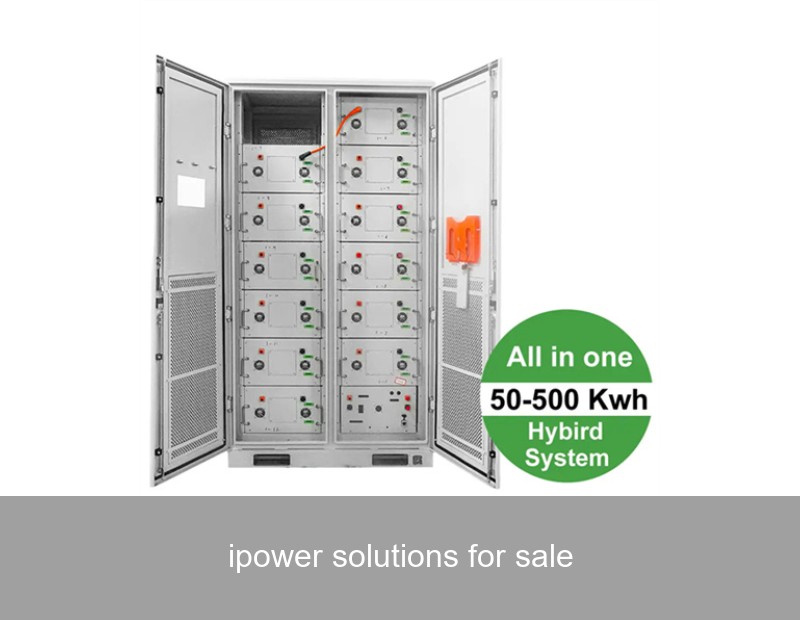
Our flagship product line, the Highjoule H-Series, exemplifies this philosophy. These are not just battery cabinets; they are integrated power hubs. The H-Series combines our high-density, LFP battery modules with a built-in, high-efficiency hybrid inverter and our proprietary Neuron Energy Management Platform. This all-in-one design simplifies installation, reduces footprint, and ensures all components communicate perfectly for optimal performance.

For commercial and industrial applications, our MegaJoule C&I Systems offer scalable storage from hundreds of kWh to multiple MWh. These systems are engineered for the rigorous demands of peak shaving, demand charge management, and renewable integration. With advanced grid-support functions, they can also help stabilize the local network—a feature becoming increasingly valuable to grid operators.
What truly sets a Highjoule solution apart is the Neuron platform. It provides users with crystal-clear visibility into their energy flows, savings, and carbon footprint. More importantly, it automates complex strategies. You simply set your goal—"minimize my bill" or "maximize my green energy use"—and Neuron's algorithms execute it 24/7, learning and adapting over time. We provide the intelligent hardware and the smart software, supported by our global network of certified installation partners who ensure a flawless transition to energy independence.
The Future is Integrated and Interactive
The next frontier for iPower is deeper grid interaction, often called VPP (Virtual Power Plant) readiness. Systems like Highjoule's are being aggregated to form flexible, decentralized power resources that can support the grid during times of stress, creating new revenue streams for system owners. Choosing a solution with this forward compatibility is a smart long-term investment.
So, as you explore the various iPower solutions for sale, ask yourself and potential providers: Does this system simply store energy, or does it actively work to achieve my specific financial and operational goals? Does it come from a partner with a proven track record who will be there for the long haul?
What would your first step towards energy independence look like if you could design it today?
 Inquiry
 Online Chat