


Finding the Melhor Inversor de Energia Solar: Your Guide to a Smarter Solar Investment
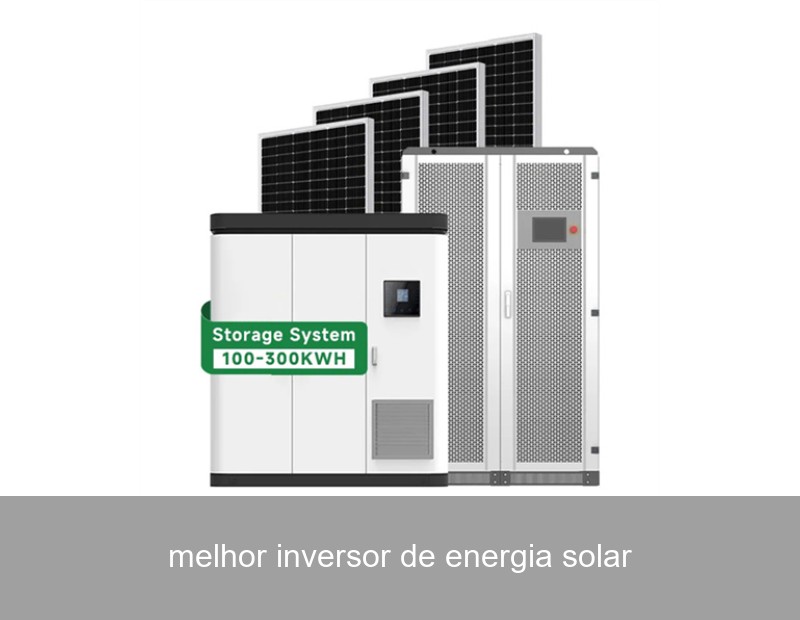
So, you've decided to harness the sun's power. You're researching panels, calculating potential savings, and dreaming of energy independence. But in the heart of every high-performing solar system lies a critical component that often doesn't get the spotlight it deserves: the melhor inversor de energia solar (the best solar inverter). Think of it as the brain of your solar operation. Its job? To efficiently convert the direct current (DC) electricity from your panels into the alternating current (AC) that powers your home or business. Choosing the right one isn't just a technical detail; it's the single biggest factor determining your system's efficiency, reliability, and return on investment.
Table of Contents
- What Makes an Inverter the "Melhor Inversor de Energia Solar"?
- The Contenders: Types of Solar Inverters Explained
- Beyond Conversion: Key Features of a Top-Tier Inverter
- Real-World Impact: A Case Study from Southern Europe
- Future-Proofing Your Investment with Smart Storage
- How to Choose Your Ideal Solar Inverter
What Makes an Inverter the "Melhor Inversor de Energia Solar"?
An inverter's primary metric is its conversion efficiency, typically ranging from 95% to 99%. A mere 3% difference might seem small, but over a system's 20+ year lifespan, it translates to thousands of kilowatt-hours of lost—or gained—energy. However, the melhor inversor de energia solar today is judged on much more. It needs to be intelligent, resilient, and adaptable. It must handle the intermittent nature of solar generation, protect against grid irregularities, and provide detailed insights into your energy production and consumption. In essence, it should be a platform for energy management, not just a simple converter.
The Contenders: Types of Solar Inverters Explained
Understanding the different inverter technologies is your first step toward an informed choice.
- String Inverters: The traditional, cost-effective workhorse. All panels are connected in a series ("string") to a single inverter. They are reliable but can suffer from the "weakest link" effect, where shading on one panel reduces the output of the entire string.
- Microinverters: Attached to each individual solar panel. They optimize performance at the panel level, eliminating the string weakness and providing panel-level monitoring. Ideal for roofs with complex shading. They often have a higher upfront cost but can yield more energy in non-ideal conditions.
- Power Optimizer Systems (DC Optimizers): A hybrid solution. Like microinverters, a power optimizer is attached to each panel to condition the DC electricity and perform maximum power point tracking (MPPT). However, they still send DC power to a central string inverter. This offers panel-level optimization and monitoring with a slightly different cost and efficiency profile.
The "best" type depends entirely on your specific site conditions, budget, and goals. A south-facing, unshaded roof in Lisbon might perform excellently with a high-efficiency string inverter, while a roof with multiple chimneys in Munich might benefit more from microinverters.
Beyond Conversion: Key Features of a Top-Tier Inverter
When evaluating the melhor inversor de energia solar, dig into these advanced features:
- Dual MPPT Channels: Allows you to connect panels facing different directions (e.g., east and west) to the same inverter without significant performance loss, offering design flexibility.
- Robust Grid Support & Safety: Features like voltage and frequency ride-through ensure your system stays online during minor grid fluctuations and disconnects safely if needed, a critical requirement for grid compliance in the EU and US.
- Comprehensive Monitoring & Analytics: A user-friendly portal or app that shows real-time production, historical trends, and system health. The best platforms break down self-consumption versus grid export, helping you maximize financial benefits.
- High IP Rating (Ingress Protection): For outdoor installations, look for a rating of IP65 or higher. This guarantees protection against dust and water jets, ensuring longevity in harsh weather.
Real-World Impact: A Case Study from Southern Europe
Let's move from theory to practice. A medium-sized winery in the Alentejo region of Portugal faced two challenges: high energy costs for refrigeration and irrigation, and an unreliable local grid that threatened production continuity. Their goal was to achieve 70% self-sufficiency.
Initially, a standard string inverter system was proposed. However, after a detailed analysis, the solution implemented featured a Highjoule HI-5000 Three-Phase Hybrid Inverter, paired with a 40 kWh Highjoule battery storage system. The HI-5000 was chosen for its exceptional 98.2% peak efficiency, advanced grid-management capabilities, and seamless hybrid functionality, allowing the system to draw from solar, batteries, and the grid in an intelligent hierarchy.
| Metric | Result (First 12 Months) |
|---|---|
| Solar Generation | 62 MWh |
| Self-Consumption Rate | 89% |
| Grid Independence During Peak Hours | 100% |
| Reduction in Grid Energy Costs | 76% |
| ROI Timeline (Estimated) | Under 7 years |
The winery's energy manager noted, "The intelligent inverter system doesn't just convert power; it decides the most economical and reliable flow of energy moment-by-moment. During the recent grid outage, the switch to battery backup was instantaneous—our critical loads never noticed." This case underscores that the melhor inversor de energia solar is increasingly one that is part of an integrated, smart energy ecosystem.
Future-Proofing Your Investment with Smart Storage
The energy landscape is shifting from one-way consumption to two-way interaction. This is where the concept of a hybrid or "storage-ready" inverter becomes paramount. A melhor inversor de energia solar for 2024 and beyond is one that is inherently compatible with battery storage.
Companies like Highjoule are at the forefront of this integration. Their EcoSphere energy management platform, which operates in conjunction with their hybrid inverters and battery systems, allows users to set sophisticated operating modes. You can prioritize self-consumption, schedule charging from the grid during off-peak tariffs to use during expensive peak times (a strategy known as peak shaving), or ensure a dedicated backup reserve for outages. By choosing an inverter designed for storage from the start, you protect your investment and open the door to adding batteries when your needs or finances evolve.

Image Source: Unsplash (Representative image of a modern inverter and battery system)
How to Choose Your Ideal Solar Inverter
Your journey to finding the melhor inversor de energia solar should follow these steps:
- Conduct a Detailed Site Assessment: Analyze shading, roof orientation, and your main electrical panel. This will heavily influence the choice between string, microinverter, or optimizer systems.
- Audit Your Energy Profile: Examine your utility bills. Understand your consumption patterns, peak demand, and local net metering or feed-in tariff policies. This determines the capacity and smart features you need.
- Prioritize Long-Term Value: Don't just look at upfront cost. Consider efficiency warranties (often 10+ years), expected lifespan, and the potential for future expansion with storage.
- Demand Professional Design & Support: Work with certified installers who model system performance using tools like NREL's PVWatts Calculator and who provide robust after-sales service. The finest inverter is only as good as its installation.
For those seeking a comprehensive solution, Highjoule offers end-to-end support. From initial consultancy and custom system design using high-efficiency hybrid inverters to professional installation and 24/7 system monitoring via their EcoSphere platform, they ensure your transition to solar is seamless, smart, and sustainable. Their focus on robust, grid-responsive technology makes them a trusted partner for both residential and commercial projects across Europe and North America.
As you ponder your options, consider this: With the right inverter, your solar array becomes a dynamic asset. Could your future energy system do more than just lower bills—could it provide peace of mind during a storm, support your community's grid stability, and adapt to your evolving energy needs for decades to come?
 Inquiry
 Online Chat