


Articles related(55%) to "discharging (withdrawing energy):"
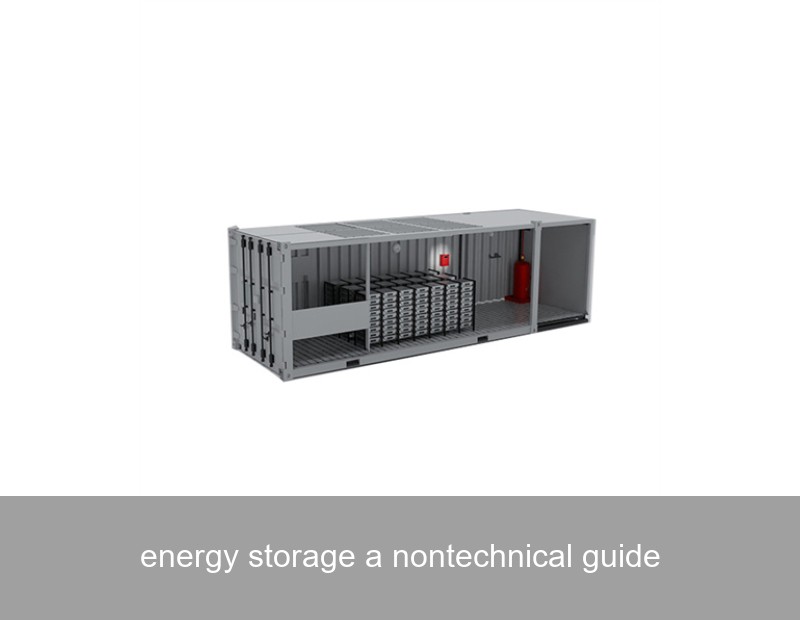
Energy Storage: A Nontechnical Guide to Powering Your Future
Let's play a quick game. Imagine your fridge only worked when the sun was shining or the wind was blowing. Your morning coffee? Only possible on a breezy afternoon. Sounds impractical, right? This is the fundamental challenge of renewable energy sources like solar and wind—they’re fantastic, but they’re not always "on." This is where energy storage comes in, and understanding it is simpler than you might think. Think of it as a sophisticated "energy savings account" for electricity. You deposit (store) power when it's plentiful and cheap, and withdraw (use) it when you need it most. This nontechnical guide will demystify how storing energy works, why it's the unsung hero of our clean energy transition, and how it's already powering a more resilient and sustainable world.
Read more >>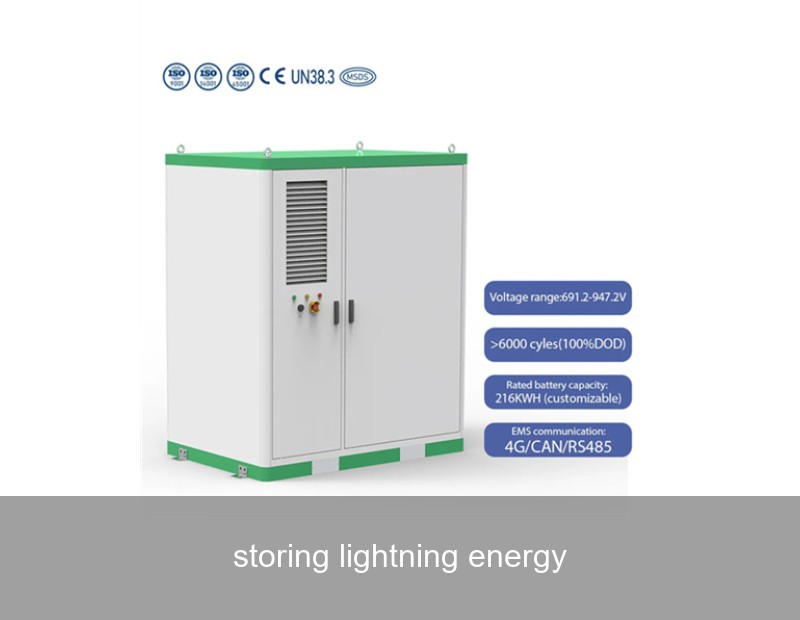
Storing Lightning Energy: The Ultimate Goal and Today's Practical Solutions
Imagine capturing the raw, awesome power of a lightning strike—a single bolt can contain over a billion joules of energy. The idea of storing lightning energy has captivated scientists and dreamers for centuries. While directly harnessing lightning remains in the realm of research, the quest it represents is very much alive today: capturing unpredictable, high-power energy bursts and making them usable on demand. This is precisely the challenge and opportunity at the heart of the modern energy revolution, where solar flares and wind gusts are our new "lightning," and advanced battery storage systems are our modern-day lightning rods.
Read more >>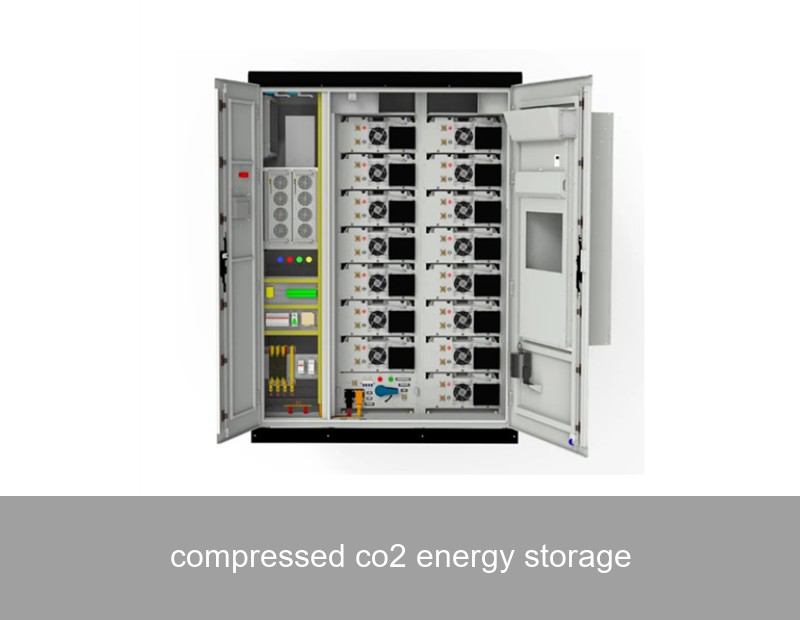
Compressed CO2 Energy Storage: A Game-Changer for Grid Stability and Renewable Integration
As the world races towards a net-zero future, a critical challenge emerges: how do we store massive amounts of renewable energy for when the sun doesn't shine and the wind doesn't blow? While lithium-ion batteries dominate headlines, a powerful and innovative contender is gaining momentum—compressed CO2 energy storage. This technology isn't just about storing energy; it's about creating a flexible, long-duration backbone for our future grids, especially in markets like Europe and North America grappling with renewable intermittency. Let's explore how turning carbon dioxide into a "battery" could revolutionize our energy landscape.
Read more >>
Unlocking Long-Duration Power: A Deep Dive into Thermoelectric Energy Storage
Imagine a giant, incredibly efficient thermos. Now, imagine that thermos doesn't just keep your coffee hot, but can convert that stored heat back into electricity to power your home for days, not just hours. This isn't science fiction; it's the promising principle behind thermoelectric energy storage (TES). As the world accelerates its transition to renewables, the quest for affordable, long-duration energy storage has become the holy grail. While lithium-ion batteries brilliantly manage daily cycles, what do we do when the wind doesn't blow for a week, or the sun hides during a winter peak? This is where innovative solutions like thermoelectric energy storage enter the stage, offering a compelling answer to one of the green transition's toughest questions.
Read more >>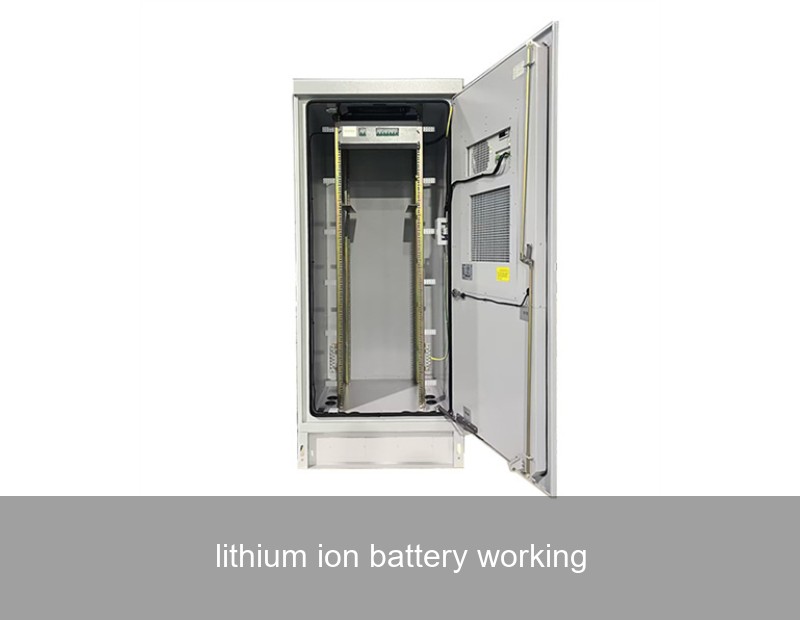
How a Lithium-Ion Battery Works: The Power Behind Modern Energy Storage
You've probably heard a lot about lithium-ion batteries. They power our phones, laptops, and, increasingly, our cars and homes. But have you ever wondered, how does a lithium-ion battery actually work? Understanding this technology is key to unlocking the full potential of renewable energy. As we transition to solar and wind power, we face a fundamental challenge: the sun doesn't always shine, and the wind doesn't always blow. This is where advanced energy storage, particularly high-performance lithium-ion battery systems, becomes the critical linchpin for a sustainable grid. Let's demystify the science behind these powerful cells and explore how companies like Highjoule are engineering them into intelligent systems that power our world.
Read more >>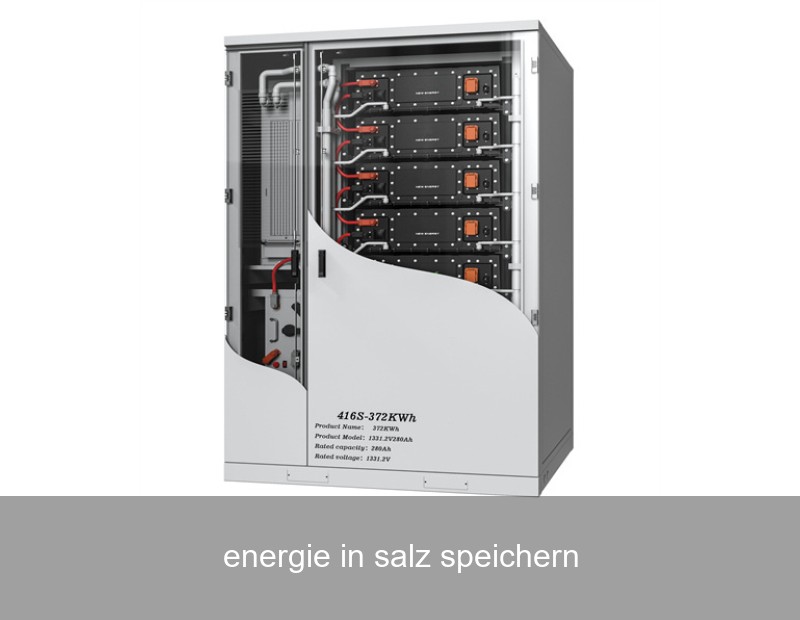
Energie in Salz Speichern: The Sustainable Power Reserve for Your Home and Business
Have you ever wondered what happens to the surplus solar energy your rooftop panels generate on a brilliantly sunny day? For many in Europe and the US, that precious clean power simply goes back to the grid, often for less than its full value. But what if you could store it efficiently and affordably for use at night or during a power outage? This is where the innovative concept of Energie in Salz speichern (storing energy in salt) comes into play, moving from laboratory curiosity to a tangible, sustainable solution for modern energy independence. As a Highjoule product technology expert, I see this not as science fiction, but as a complementary technology shaping a resilient energy future.
Read more >>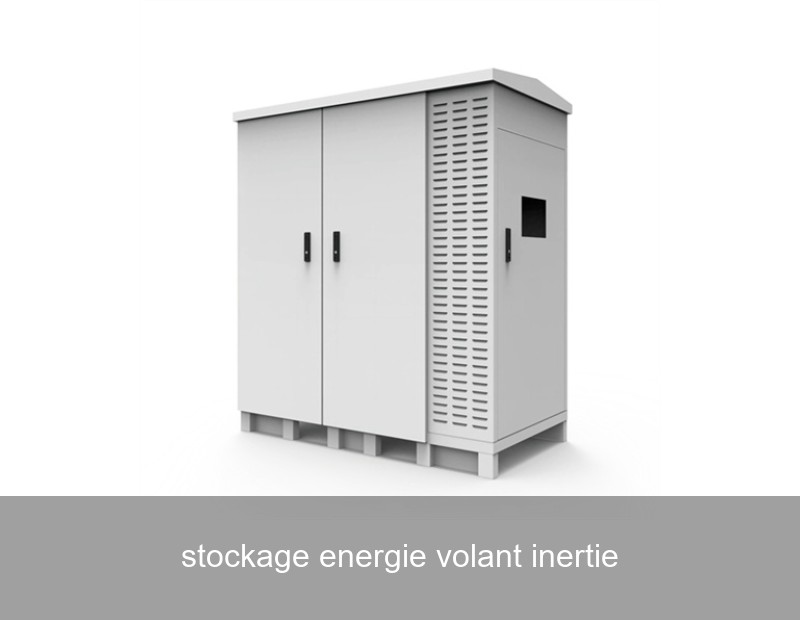
Stockage d'énergie par volant d'inertie: The Unsung Hero of Grid Stability and Renewable Integration
Imagine a massive, spinning wheel in a near-frictionless vacuum. Now, imagine that wheel isn't just an engineering marvel—it's a powerful battery, but one that stores energy as motion rather than chemical reactions. This is the essence of stockage d'énergie par volant d'inertie, or flywheel energy storage. As our grids become increasingly powered by variable renewables like solar and wind, the quest for fast, reliable, and durable storage solutions has never been more critical. While lithium-ion batteries often grab headlines, flywheel technology is quietly providing the backbone for grid stability in critical applications across Europe and North America.
Read more >>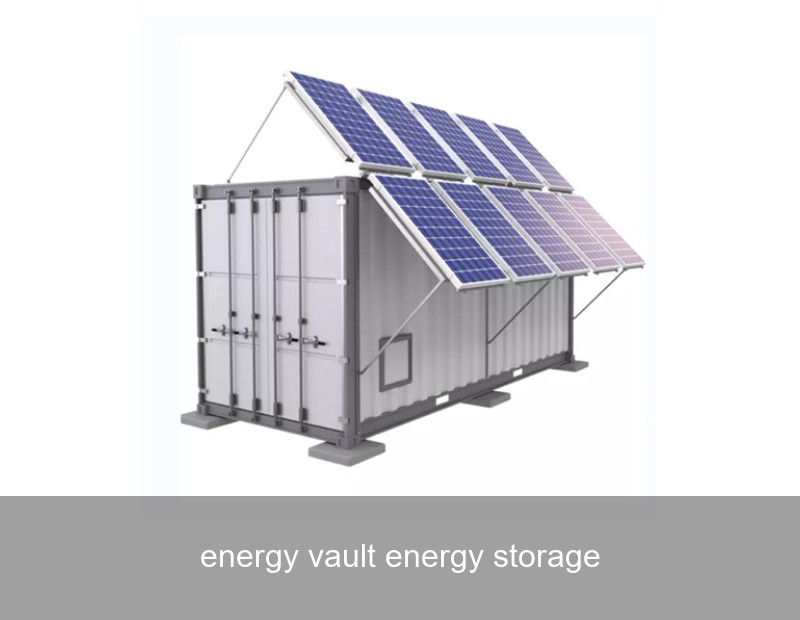
Energy Vault Energy Storage: Beyond the Battery Paradigm
Imagine a world where the energy from a sunny afternoon in July can power a cold, still night in December. This isn't science fiction; it's the ultimate promise of long-duration energy storage (LDES). As our grids become saturated with intermittent renewables, a critical question emerges: how do we store massive amounts of energy for weeks or months, not just hours? While lithium-ion batteries dominate headlines, a fascinating and diverse field of solutions is rising to meet this challenge. This is the world of energy vault energy storage—a concept that cleverly uses gravity and potential energy to create a giant, eco-friendly "battery" for the grid.
Read more >>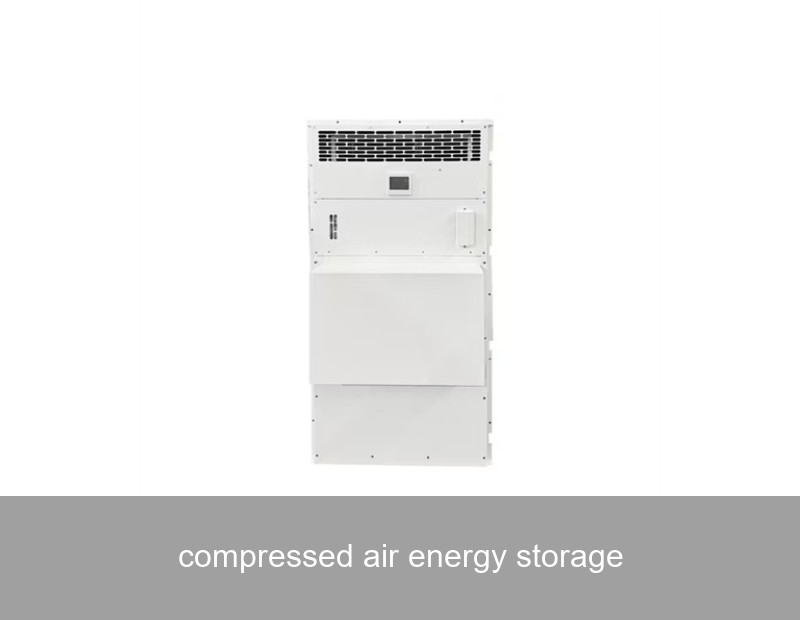
Compressed Air Energy Storage: A Powerful Ally for a Renewable Grid
As the world accelerates its shift towards wind and solar power, a critical question emerges: how do we keep the lights on when the sun isn't shining and the wind isn't blowing? The answer lies not just in generating clean energy, but in storing it intelligently. While lithium-ion batteries often steal the spotlight, another time-tested and highly scalable technology is experiencing a renaissance: Compressed Air Energy Storage (CAES). This technology, which uses the simple principle of storing energy as compressed air, is poised to play a vital role in stabilizing our future grids and maximizing the use of renewable resources.
Read more >>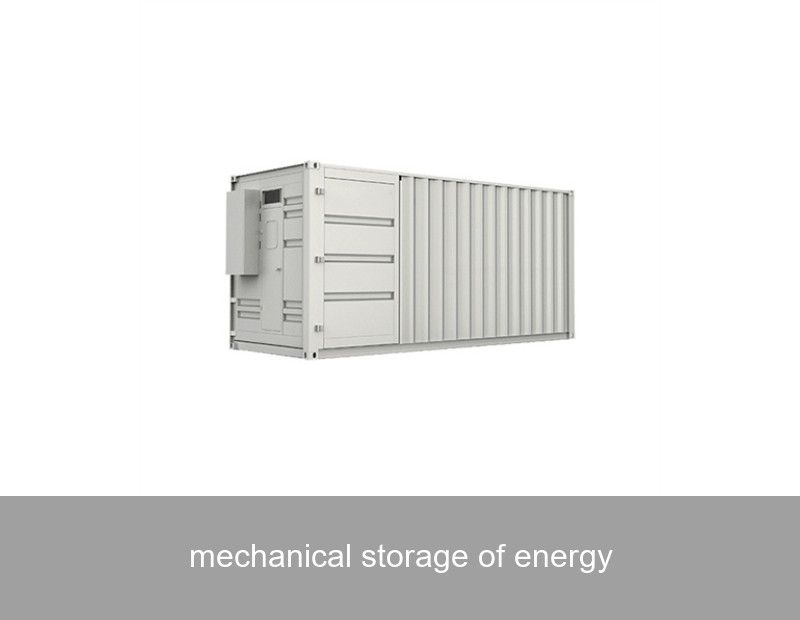
Mechanical Storage of Energy: The Physical Backbone of a Renewable Grid
When we think about storing energy for a rainy (or non-windy) day, batteries often steal the spotlight. But there's a powerful, physical, and often massive counterpart working behind the scenes: mechanical storage of energy. This technology doesn't rely on complex chemistry. Instead, it uses fundamental forces of physics—gravity, motion, and pressure—to bank electricity. As our grids evolve with more solar and wind, understanding these physical storage giants becomes crucial. They provide the grid stability and long-duration backup that are essential for a reliable, sustainable energy future.
Read more >>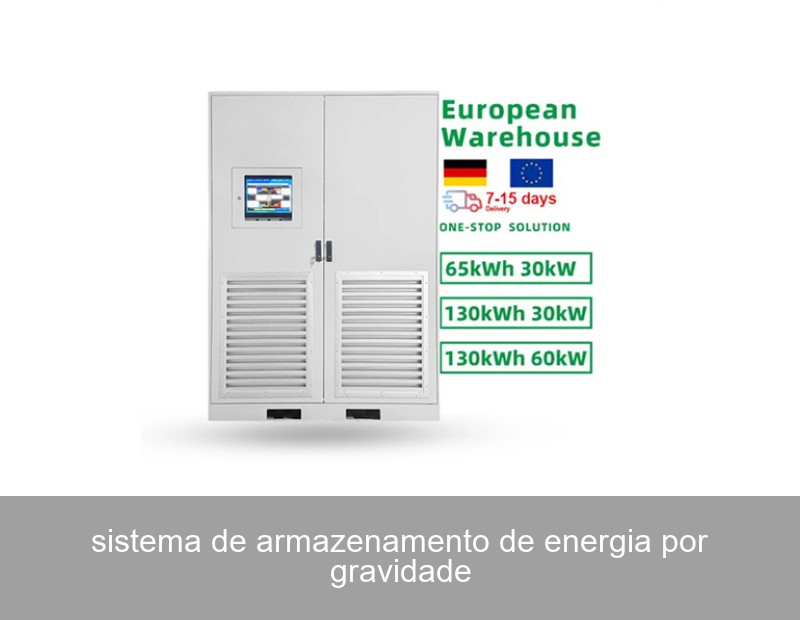
Sistema de Armazenamento de Energia por Gravidade: The Simple, Powerful Future of Long-Duration Storage
Imagine a giant, intelligent battery that uses one of the universe's most fundamental forces—gravity—to store energy. No rare earth metals, no complex chemistry, just mass and height. This is the promise of the sistema de armazenamento de energia por gravidade, or Gravity Energy Storage System (GESS). As the world, particularly in Europe and the US, races to decarbonize, the question isn't just how to generate clean energy, but how to store it for when the sun doesn't shine and the wind doesn't blow. While lithium-ion batteries dominate headlines for short-duration needs, a new wave of innovative, long-duration storage solutions is emerging, and gravity-based systems are capturing significant interest for their elegant simplicity and durability.
Read more >> Inquiry
 Online Chat